Photo: Pexels
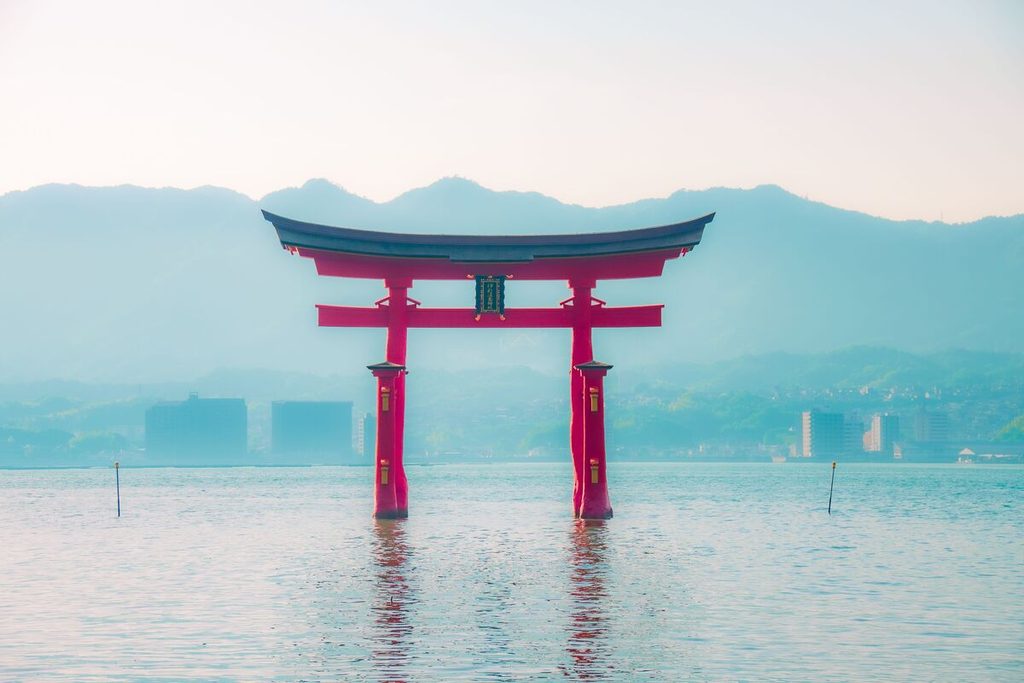
Japan is a country where tradition and spirituality are part of daily life. Temples and shrines are not only old buildings but also living places of culture. Shinto Shrines have been important since ancient times. They honor gods who protect the people and the nation. Buddhist temples became important after Buddhism came from China and Korea. They became centers for learning, art, and culture. Together, Shinto and Buddhism have influenced the politics and architecture of ancient Japan.
Visitors can join many traditions at temples and shrines. They can write wishes on ema, buy protective omamori, or try their luck with omikuji. These customs are simple but meaningful ways to connect with Japanese spirituality. Festivals show the lively side of religion. Nature is also part of this culture. For travelers, temples and shrines are not only places to see history but also places to feel peace, community, and tradition.
This guide introduces the essential aspects of temples and shrines, focusing on rituals, symbolisms, and experiences that travelers can enjoy.
Goshuin Culture – Collecting Sacred Seals
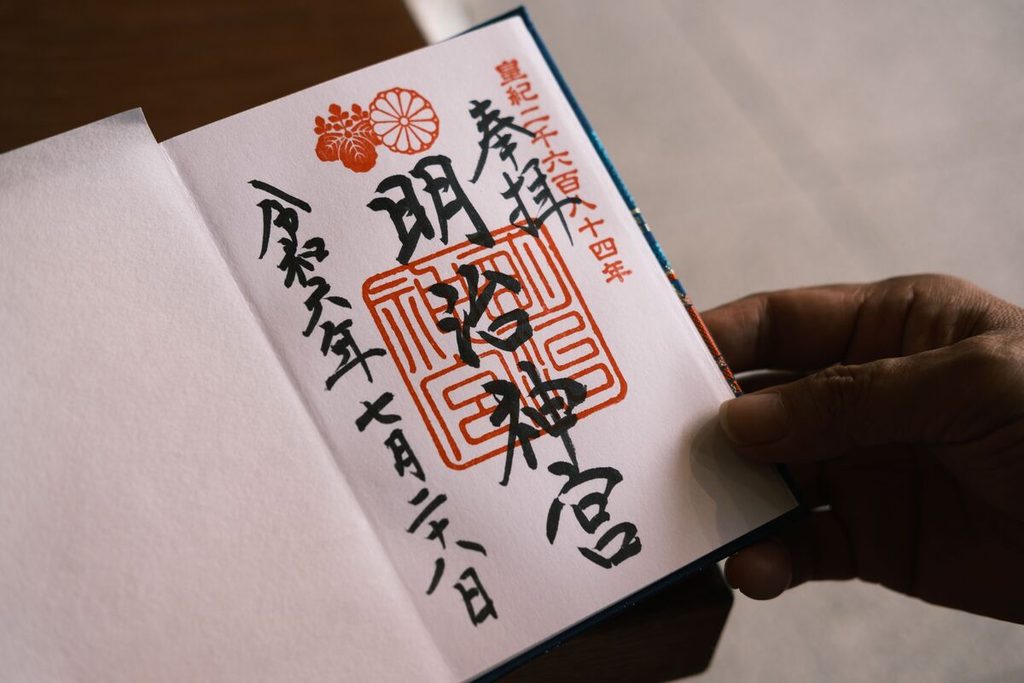
Photo: Pexels
One of the most popular activities among visitors is collecting goshuin. It is a special stamp you can get at shrines and temples. A Goshuin is proof that you visited and prayed. Shrines write the name of the god. Temples write the name of the Buddha.
You collect them in a notebook called goshuin-chō. You can purchase it at shrines and temples, even at many souvenir shops. Many travelers love it because it is art, memory, and culture all in one item. Most goshuin cost about 300-500 yen. Special or large designs can be 600-1000 yen. It is not a “price” as much as it is a donation to the shrine or temple. Prepare coins so payment is easy. Always ask politely after you pray. Do not treat it like a “stamp rally.” It is a sacred record.
Nature and Spirituality
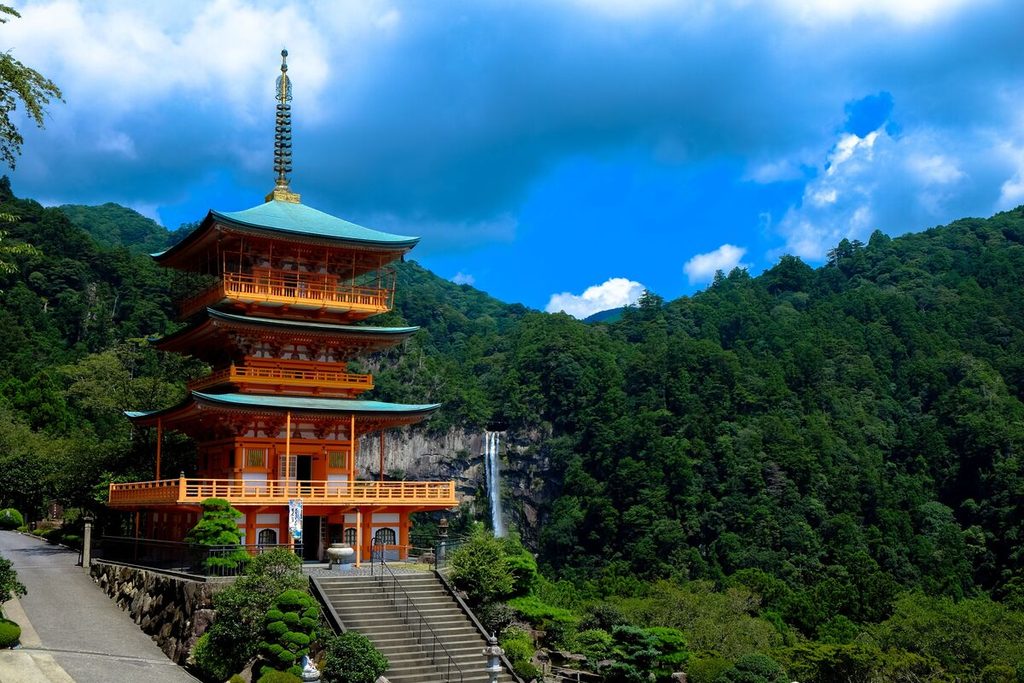
 Photo: Pexels
In Japan, temples and shrines are deeply connected to nature. Shrines are often in forests or near mountains. Shinto teaches that nature itself is holy. Temples usually have gardens, ponds, or rocks arranged in a special way. They show peace and balance.
Each season is beautiful: cherry blossoms in spring, green trees in summer, red leaves in autumn, and snow in winter. Visiting these places gives travelers a feeling of calm and spirit.
Here are some famous examples where you can see the connection between nature and religion.
Meiji Shrine – Tokyo’s Largest Forest
- Located in the middle of Tokyo.
- Surrounded by the largest forest in the city, with over 100,000 trees.
- Even in busy Tokyo, visitors feel calm and close to nature.
Kumano Nachi Taisha in Wakayama – Worshipping a Waterfall
- The shrine worships Nachi Falls, Japan’s tallest waterfall at 133 meters.
- The sound and power of the water make visitors feel awe and peace.
Zen Temples in Kyoto – Rock Gardens
- Kyoto has many Zen temples with stone gardens.
- Famous examples include Ryoan-ji, where white sand and rocks are arranged in a simple but deep design.
- These gardens show harmony, silence, and balance.
- Visitors can sit quietly and feel peace while looking at the garden.
These three places show how religions and culture in Japan respect nature:
- A forest in the city (Meiji Shrine).
- A waterfall as a god (Kumano Nachi Taisha).
- A stone garden for meditation (Kyoto Zen temples).
They give travelers a chance to see how Japan makes nature sacred in different ways.
Food and Culture
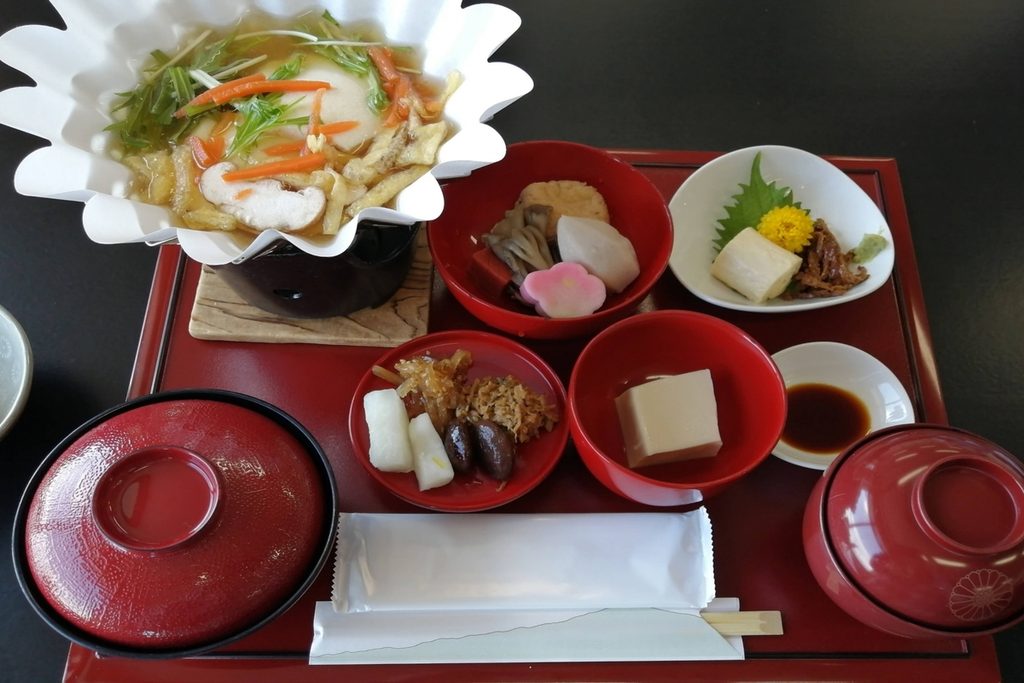
Photo: 写真AC
In Japan, religion and food are connected.
At some temples, visitors can try shōjin ryōri. This is traditional Buddhist vegetarian food. It uses seasonal vegetables and has a simple taste. It shows the Buddhist idea of non-violence.
At shrines, food is part of festivals. Street stalls sell yakisoba, takoyaki, and other local snacks. These foods make the festival lively and fun.
Special Experiences
- You can join a tea ceremony at a Zen temple. While drinking tea, you look at a beautiful Japanese garden. This shows peace and harmony with nature.
- You can also stay overnight at temple lodgings like Kōyasan. Guests can join meditation and eat shōjin ryōri, the traditional Buddhist vegetarian food.
- These experiences let travelers feel close to nature, spirit, and community at the same time.
Travelers can enjoy a deeper taste of Japan’s living traditions.
Temples and Shrines in History

Photo: Pexels
Temples and shrines have played different roles in Japanese history.
Shrines have played an important role for centuries. They were places to honor the gods who protect people and the nation. Even today, Shinto rituals are used in ceremonies of the Imperial family.
Temples became important after Buddhism was introduced from China and Korea. They served as centers for learning, art, and culture, and they also influenced politics and architecture in ancient Japanese history.
Sometimes shrines and temples mixed practices, sometimes they stayed separate. Japanese people believe in both religions and accept their practices in daily life. Knowing these roles helps visitors understand why shrines and temples are still important cultural landmarks today.
Interactive Traditions
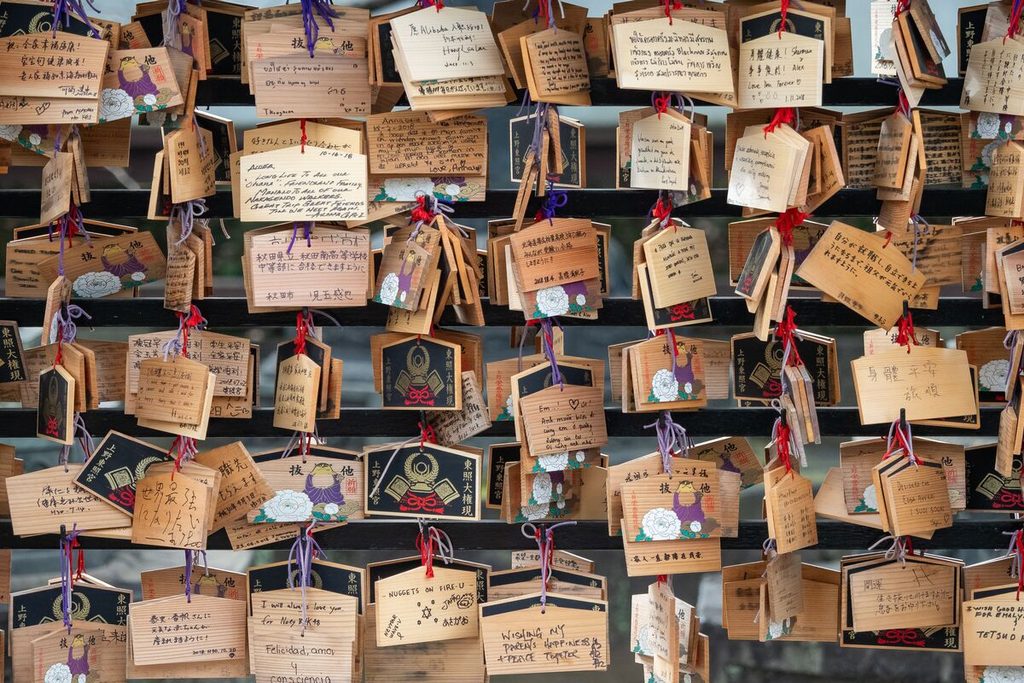
Photo: Pexels
There are simple rituals that let visitors join Japanese spirituality in a fun way.
- Ema: Small wooden plaques. Visitors write wishes like health, success, or love, and hang them at the shrine.
- Omamori: Little amulets for protection. They are sold at temples and shrines. Some are for safe travel, study success, or good health.
- Omikuji: Paper fortune slips. They show your luck. If the fortune is bad, you tie it to a tree or rack to leave the bad luck behind.
- Unique practices: Some shrines have special omikuji, shaped like animals and fishes.
They are easy to try and give a real taste of tradition.
Shimenawa

Photo: Pexels
Visitors will notice thick ropes with white paper strips hanging at shrines. These are called shimenawa.
- They mark sacred boundaries, separating the divine space from the everyday world.
- The paper strips, called shide, symbolize purification.
- Shimenawa are often seen on torii gates, sacred trees, or shrine buildings.
- Famous examples include the massive shimenawa at Izumo Taisha.
For travelers, shimenawa are a visible reminder of the respect given to sacred spaces in Japan.
Foxes at Inari Shrines
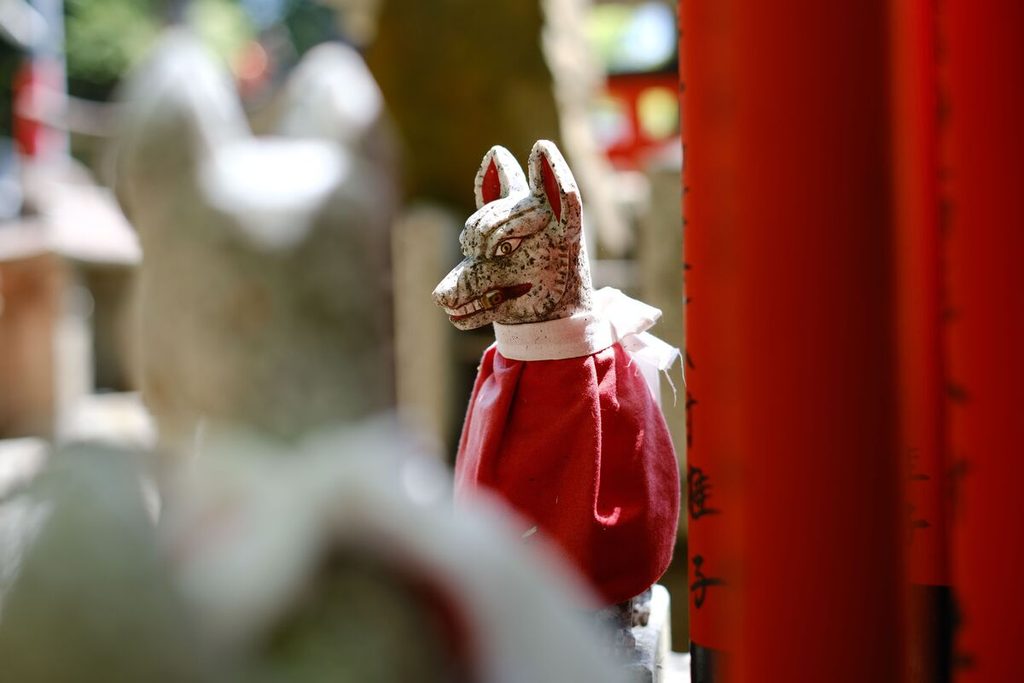
Photo: Pexels
Fox statues are famous at Inari shrines. Foxes are not gods. They are messengers of Inari, the god of rice, business, and prosperity. Statues often hold special items: keys (for rice storehouses), jewels (for wishes), or rice plants. Red bibs on fox statues are gifts of thanks.
Fushimi Inari Taisha in Kyoto, is famous for being lined with thousands of red gates and fox statues. For travelers, foxes show the mix of Japanese spirituality and folklore.
Visiting Etiquette
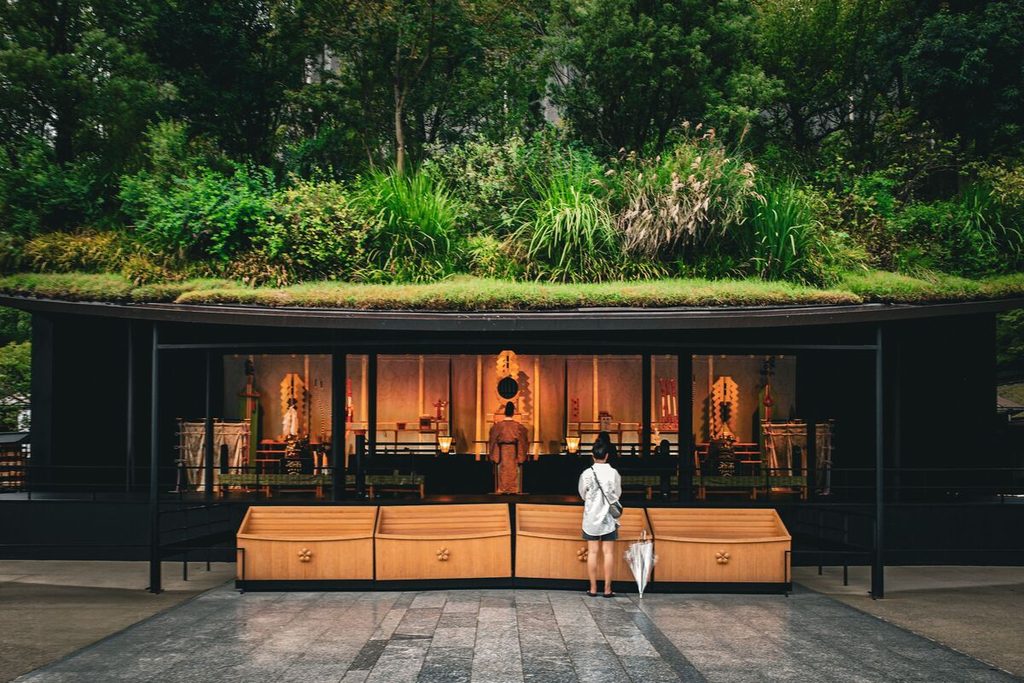
Photo: Pexels
Understanding basic etiquette makes the experience more meaningful.
- At shrines: bow at the gate, wash hands at the basin, offer coins, ring the bell, then do two bows, two claps, and one bow.
- At temples: bow at the gate, wash hands, offer incense or coins, then pray quietly with hands together. No clapping.
- Always be respectful. Do not be loud, and follow photo rules.
Even if visitors make small mistakes, showing sincerity and respect is most important.
Festivals and Annual Events
Temples and shrines have many festivals every year.
Shrines
- Hatsumōde is the first shrine visit of the New Year.
- Shichi-Go-San celebrates children’s growth.
- Tori-no-Ichi in November sells lucky rakes for business success.
Temples
- Obon honors the ancestors, with Bon Odori dances that visitors can join.
- Joya no Kane rings temple bells 108 times on New Year’s Eve to clear bad desires.
These festivals show both the lively spirit of shrines and the quiet spirituality of temples. Visitors can enjoy culture, tradition, and community together.
Summary
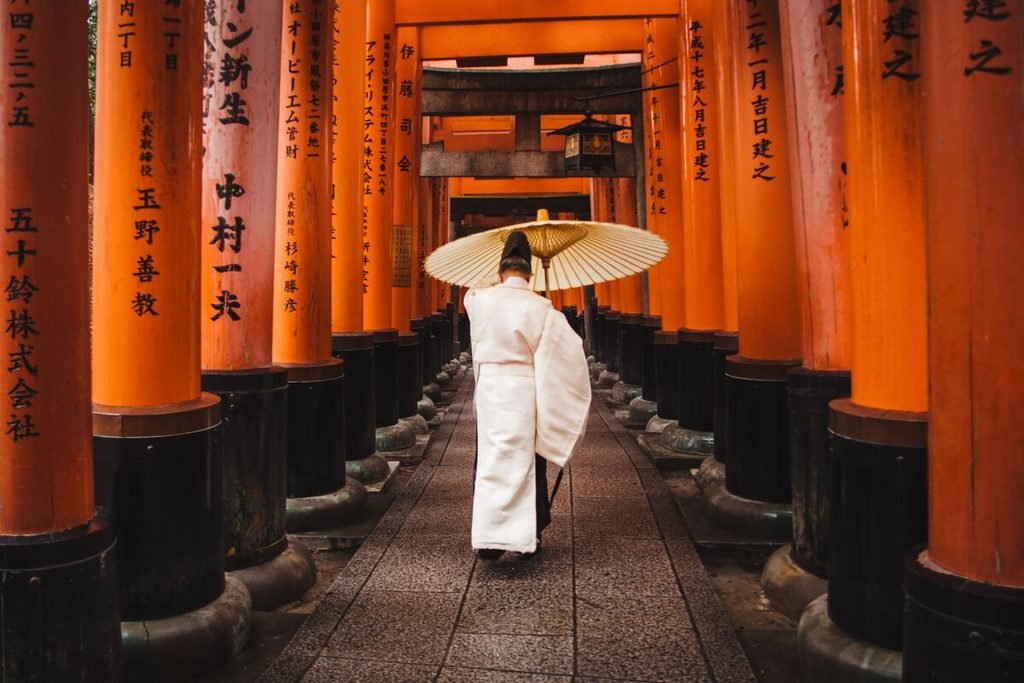
Photo: Pexels
Temples and shrines are key to understanding Japanese culture. Shrines began as places to honor gods who protect people and the country. Temples grew after Buddhism arrived, becoming centers for learning, art, and politics. Together, they shaped Japanese history and daily life. Even today, they remain important cultural landmarks.
Visitors can join rituals like writing wishes on ema, buying omamori, or drawing omikuji. These simple customs let travelers take part in Japanese spirituality in a fun way. Festivals show another side: shrines host lively events, while temples hold reflective ceremonies like Obon or Joya no Kane. Both types of events connect people to community and tradition.
Temples and shrines also show harmony with nature. Gardens, forests, and mountains are part of their design. Red torii gates at Fushimi Inari Taisha, stone gardens at Ryoan-ji, and temple lodgings at Kōyasan all reflect this balance.
In summary, temples and shrines are more than religious sites. They are places where history, spirituality, nature, and community meet. For travelers, visiting them is a chance to experience Japan’s living traditions and to feel the deep connection between people, gods, and the natural world.