Photo: Unsplash
Introduction
Japan’s public bath etiquette can feel a little unclear before your first visit.
You may want to try an onsen or sento, but small questions can stop you at the entrance. Do you wear a swimsuit? Where do you put your towel? Do you wash before entering the bath? Are tattoos allowed? Can you bring your phone inside?
The basic rule is simple: wash first, then soak.
The bath is not for washing your body. It is for relaxing after you are already clean. Once you understand this order, Japanese public baths become much easier to enjoy.
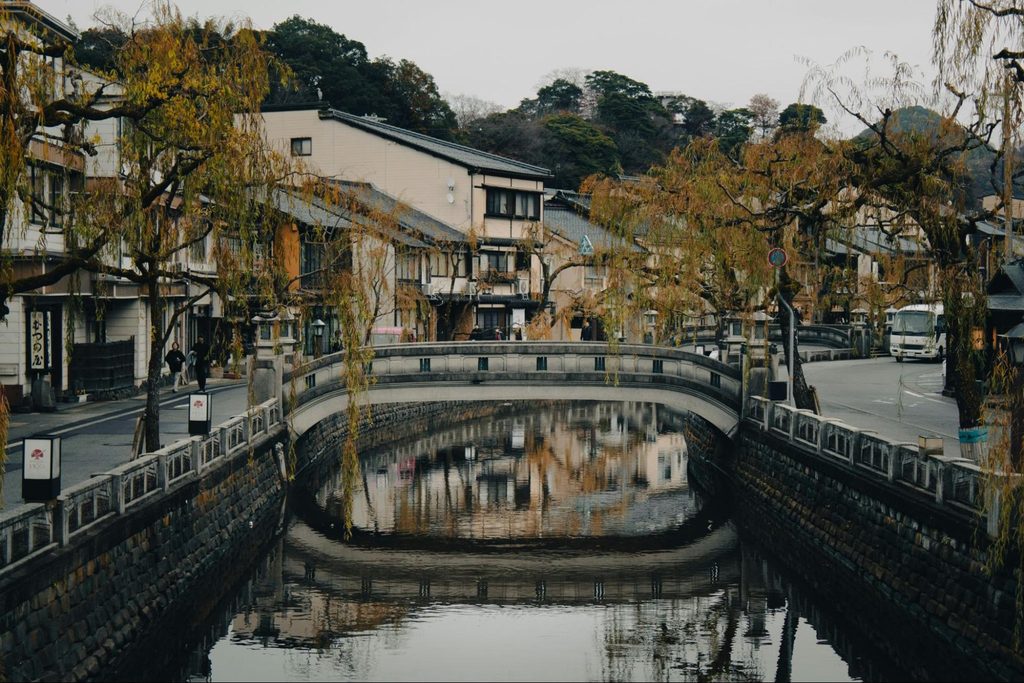
This guide explains Japan’s public bath etiquette in simple steps for first-time visitors. It also introduces Kinosaki Onsen in Hyogo Prefecture, a walkable hot spring town known for public bathhouses, yukata walks, wooden geta sandals, willow-lined riverside streets, and tattoo-friendly public baths.
Kinosaki’s official tourism information states that its public bathhouses are tattoo-friendly, separated by gender, and require guests to bathe without clothes.
You may check train times, bathhouse hours, walking routes, weather, and restaurant locations several times during your visit. A simple eSIM can help you stay connected without looking for public WiFi.
You do not need to know every custom perfectly. Learn the order, move calmly, follow local signs, and leave enough time to enjoy the bath without rushing.
Overview: What Are Onsen and Sento?
An onsen is a Japanese hot spring bath. It uses natural hot spring water from underground.
A sento is a public bathhouse. It usually uses heated water instead of natural hot spring water.
For first-time visitors, the basic etiquette is almost the same.
You remove your shoes, enter the correct changing room, take off your clothes, wash your body, rinse off all soap, and then enter the bath. After bathing, you dry your body before going back into the changing room.
The main difference is the travel feeling.
A city sento is often local and practical. It may be used by people who live nearby. It is a good choice if you want to experience everyday Japanese bathing culture without leaving the city.
An onsen feels more like part of a trip. Some are inside ryokan inns. Some are in mountain towns. Some have open-air baths facing gardens, rivers, or hills.
Kinosaki Onsen is different again. The whole town is built around sotoyu-meguri, which means visiting public bathhouses around town. Visitors often walk between bathhouses in yukata and wooden geta sandals along the river.
For a first public bath trip, Kinosaki is easy to understand. You can arrive by train, leave your luggage, change into a yukata, choose one or two bathhouses, walk along the river, and keep the day relaxed.
Good for:
- First-time onsen visitors
- Travelers who want a walkable hot spring town
- Visitors with tattoos
- Couples, friends, and solo travelers
- Travelers staying in Osaka or Kyoto who want a short hot spring trip
- People who want a cultural experience without a packed schedule
Worth knowing before you go:
- Standard public baths do not allow swimsuits
- You will bathe without clothes in a shared space
- Tattoos are accepted at Kinosaki’s public bathhouses
- Ryokan in-house bath rules may differ by accommodation
- Opening hours and closure days vary by bathhouse
- Some bathhouses may close for renovation or maintenance
Best Things to Do Before Your First Public Bath
Learn the Basic Flow Before You Arrive
A public bath feels much easier when you know the order.
The usual flow is:
- Take off your shoes
- Pay or show your bath pass
- Enter the correct changing room
- Remove all clothes
- Put your items in a locker or basket
- Enter the bathing area
- Wash at the shower station
- Rinse off soap fully
- Enter the bath slowly
- Dry off before returning to the changing room
This is the core of Japan’s public bath etiquette.
The order matters more than looking perfect. If you wash first and keep the bath water clean, you are already following the most important custom.
Check Tattoo Rules Before You Go
Tattoo rules depend on the bathhouse.
Some public baths allow tattoos. Some ask guests to cover small tattoos. Some do not allow tattoos in shared bathing areas. Some offer private baths instead.
Kinosaki Onsen is a strong choice for tattooed travelers because its public bathhouses are officially described as tattoo-friendly. The official Kinosaki tattoo guide also says tattoos of all sizes are allowed in the public hot springs, with no need to cover them.
Outside Kinosaki, check the official website before visiting.
Do not rely only on old blog posts or comments. Tattoo policies can change by facility.
Bring Less Than You Think
A public bath is easier when your hands are free.
Useful items:
- Small towel
- Bath towel
- Hair tie
- Water bottle
- Coins or payment card
- Change of clothes if needed
- Basic skincare if you use it after bathing
Many ryokan provide towels and yukata. Some bathhouses rent or sell towels. Still, check before you go.
Large luggage is not useful during bath hopping. If you arrive before check-in, ask your accommodation about luggage storage. Kinosaki Onsen is walkable, but walking around wearing a yukata and getas is slower than walking in normal shoes.
Choose Your First Bath Time Carefully
For your first bath, afternoon or early evening usually works best because you have enough time to understand the locker system, read the signs, and settle into the rhythm of the town. Early evening is especially pleasant in Kinosaki, when the river, willow trees, and lanterns create a different atmosphere from the daytime.
Morning baths are often quieter, but they are usually easier to enjoy once you already know how the bathhouses work.
Japan’s Public Bath Etiquette Step by Step
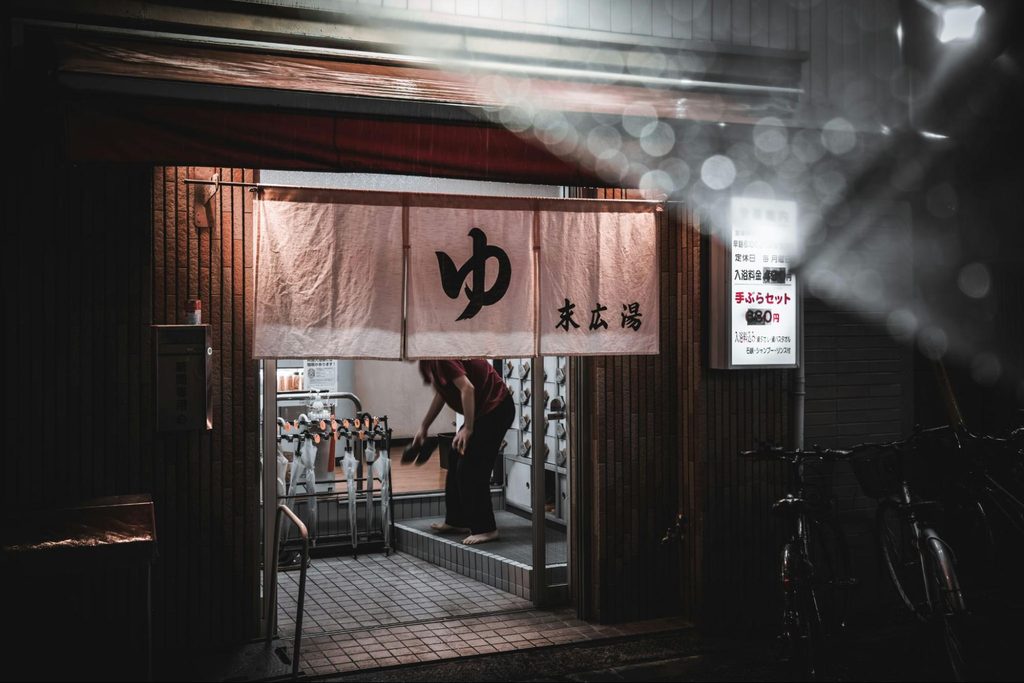
Photo: Unsplash
Step 1: Take Off Your Shoes
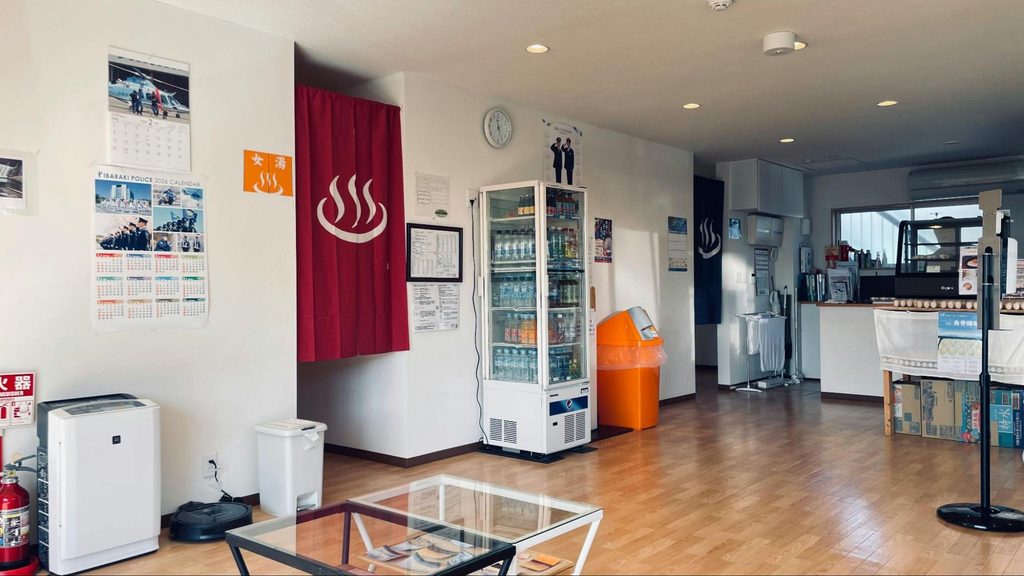

At the entrance, remove your shoes.
Place them in a shoe locker or on a shelf. Some lockers use a key. Keep the key with you.
This step is easy to miss when you are carrying bags or looking for English signs. Pause at the entrance and check where the indoor floor begins. In Japan, the entrance often shows you where to stop using outdoor shoes.
Step 2: Pay or Show Your Bath Pass
At a sento, you may pay at the front desk or use a ticket machine.
At an onsen town, you may show a bath pass from your ryokan. Daily visitor tickets are available.
In Kinosaki, staying guests often receive access to the public bathhouses through their accommodation. Daily visitor systems may vary,so check the latest official information before visiting.
If you are not sure, show your ticket or room key to the staff.
A short phrase like “day use?” or “bath pass?” is often enough.
Cash is still useful at smaller facilities.
Step 3: Enter the Correct Changing Room
Public baths are usually separated by gender.
Signs may use English, Japanese, colors, or curtain symbols. Do not rely only on color. Check the sign before entering.
Some facilities may switch bath sides by day or time. If something looks unclear, ask staff before entering.
Step 4: Take Off All Clothes
In a normal onsen and sento, guests bathe without swimsuits.
Remove all clothes in the changing room. Put clothes and belongings in a locker or basket.Leave your phone, camera, and valuables in the locker. Photos are not allowed in changing rooms or bathing areas. This protects everyone’s privacy.
Bring only your small towel into the bathing area.
A little shyness is normal for first-time visitors. But most people are focused on their own routine: washing, soaking, cooling down, and leaving quietly.
Step 5: Wash Before Entering the Bath
This is the most important step.
Go to a washing station. Sit on the small stool. Use the shower, soap, and shampoo.
Wash your body well. If you wash your hair, rinse fully. Do not leave soap or shampoo on your body before entering the bath.
The bath water is shared. Entering clean keeps the bath pleasant for everyone.
A few small things help:
- Rinse the stool before you sit
- Avoid splashing nearby guests
- Keep your shower water low
- Rinse all soap away before entering the bath
- Tie long hair before soaking
Step 6: Keep the Small Towel Out of the Water
You can use the small towel while walking between the changing room and bath area.
Do not put it into the bath water.
Many people place the towel on their head or leave it near the edge. Either is fine if it does not fall into the water.Long hair should be tied up so it does not touch the bath water.
Step 7: Enter Slowly
Hot spring water can feel hotter than expected.
Enter slowly. Let your body adjust. Sit quietly and breathe normally. A short soak is fine. You do not need to stay long to enjoy the experience.
Do not swim, splash, dive, or put your head under the water.If you feel dizzy, leave the bath, sit down, and drink water.
Step 8: Keep the Space Calm
Public baths are shared quiet spaces.
Soft conversation is usually fine. Loud talking, music, phone calls, or video recording are not.
This is not about being overly formal. It is about keeping the bath relaxing for everyone.
Step 9: Dry Off Before Returning to the Changing Room
Before going back to the changing room, wipe your body with a small towel.
This keeps the floor dry.
After that, use your bath towel in the changing room. Dry your hair if needed. Drink water and rest for a few minutes before leaving.
Recommended Public Baths in Kinosaki Onsen
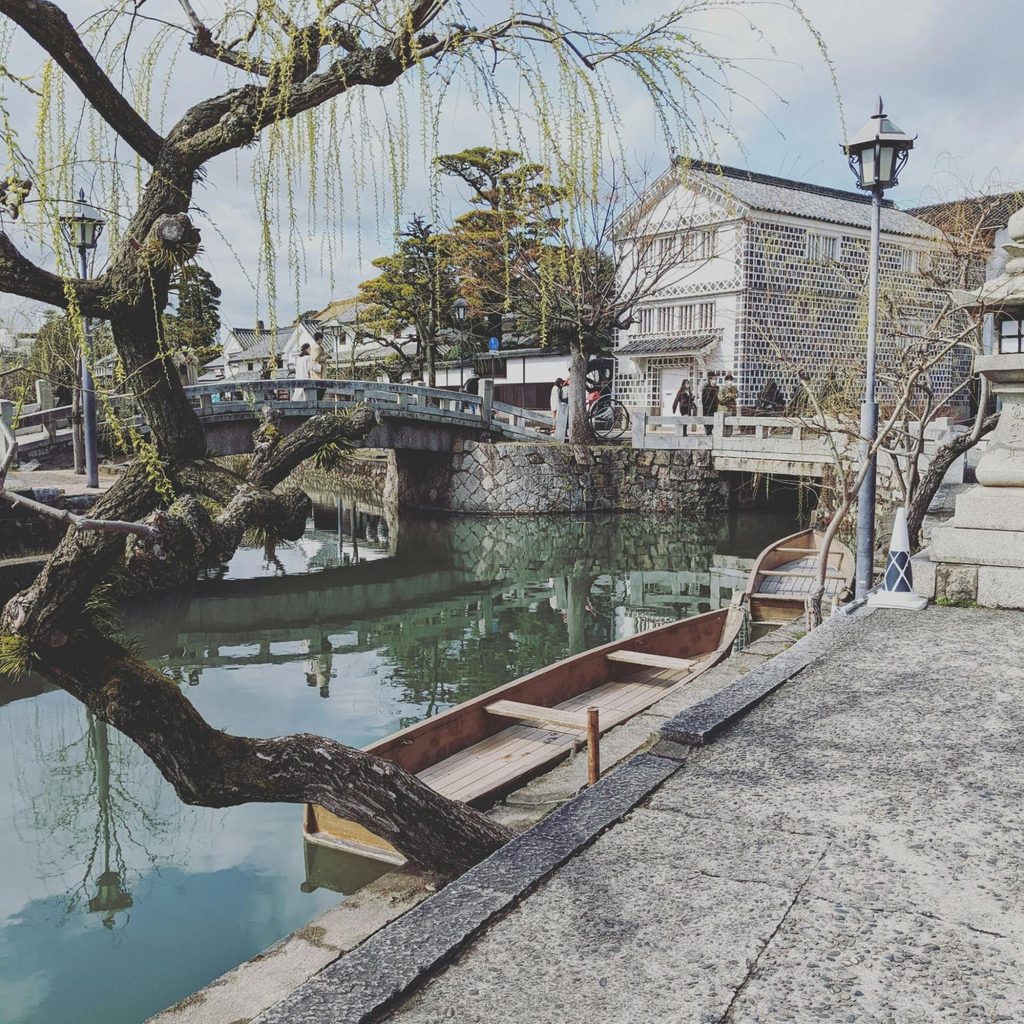
Photo: Pexels
Kinosaki Onsen has several public bathhouses within a walkable town area.
Opening hours, closing days, and renovation information can change. Check the official bathhouse page before visiting.
1. Goshono-yu
Goshono-yu is one of the most memorable public baths in Kinosaki.
Its exterior has a strong presence, and many visitors treat it as a highlight. It is a good candidate if you only have time for one or two baths.
- Best for: first-time visitors and atmosphere
- Time needed: 45–60 minutes
- Best time to visit: morning or early evening
- Access: Kinosaki Onsen town area
- Official website: Official website
- Location: Google Maps
What makes it a good choice
- Strong visual presence from outside
- Easy to include in a first Kinosaki route
- Good choice when you want one main bath experience
Practical tip: take photos outside only. Do not use phones in the changing or bathing areas.
2. Ichino-yu
Ichino-yu is convenient and easy to include during a walk through town.
It sits near the central area, so it works well as a first bath. If you are not sure where to begin, this is a practical choice.
- Best for: first bath, easy route planning
- Time needed: 40–60 minutes
- Best time to visit: daytime or early evening
- Access: Kinosaki Onsen town center
- Official website: Official website
- Location: Google Maps
What makes it a good choice
- Central location
- Easy to find during a town walk
- Good starting point for first-time visitors
Practical tip: central baths can feel busier. If it feels crowded, walk first and come back later.
3. Mandara-yu
Mandara-yu sits slightly away from the busiest flow of the main street.
It is a good choice when you want the bath to feel quieter and slower. It fits well into an afternoon or evening bath-hopping route.
- Best for: slower bath hopping
- Time needed: 40–50 minutes
- Best time to visit: afternoon or evening
- Access: Kinosaki Onsen town area
- Official website: Official website
- Location: Google Maps
What makes it a good choice
- Quieter feel than some central baths
- Good for a short, calm soak
- Works well between a walk and dinner
Practical tip: leave time between baths. Hot water, walking, and changing clothes all take energy.
4. Kono-yu
Kono-yu is connected with Kinosaki’s origin story and is often described as one of the town’s historic baths.
It sits away from the busiest central area, which can make the visit feel calmer. Renovation schedules may affect availability, so check the latest official information before planning your route.
- Best for: quiet atmosphere, if open
- Time needed: 45–60 minutes
- Best time to visit: morning or early evening
- Access: western side of Kinosaki Onsen town
- Official website: Official website
- Location: Google Maps
What makes it a good choice
- Quieter location
- Strong connection to Kinosaki’s bath culture
- Better for travelers who want a slower walk
Practical tip: because renovation schedules can change, check the official page before adding this bath to your plan.
5. Jizo-yu
Jizo-yu is practical and easy to use.
It can work near the beginning or end of your route, depending on your accommodation location.
- Best for: simple access and relaxed timing
- Time needed: 40–60 minutes
- Best time to visit: morning or late afternoon
- Access: Kinosaki Onsen town area
- Official website: Official website
- Location: Google Maps
What makes it a good choice
- Easy to fit into a route
- Good for a simple bath stop
- Works well if you do not want to walk too far
Practical tip: choose the bath closest to your accommodation if the weather is bad.
6. Yanagi-yu
Yanagi-yu has a smaller, local feeling.
It is a good reminder that Kinosaki is not only about checking off every bath on a list.
A quiet single bath can be enough.
- Best for: short, calm bathing
- Time needed: 30–50 minutes
- Best time to visit: afternoon
- Access: Kinosaki Onsen town area
- Official website: Official website
- Location: Google Maps
What makes it a good choice
- Small-scale bath experience
- Good for a shorter stop
- Easy to pair with a riverside walk
Practical tip: if the water feels hot, keep the soak short and rest afterward.
7. Satono-yu
Satono-yu is located close to Kinosaki Onsen Station, which makes it useful for route planning when open.
Note: Satono-yu has been closed for renovations since April 2024. Check the official page for the latest status before adding it to your plan.
Renovation or closure notices may affect whether you can include it in your route.
- Best for: station-area planning, if open
- Time needed: 45–60 minutes
- Best time to visit: before departure only if you have enough time
- Access: near Kinosaki Onsen Station
- Official website: Official website
- Location: Google Maps
What makes it a good choice
- Close to the station
- Convenient for arrival or departure when open
- Important to check before adding to your plan
Practical tip: do not plan a final bath too close to your train. Changing, cooling down, and walking to the station take longer than expected.
How to Enjoy Kinosaki Without Rushing
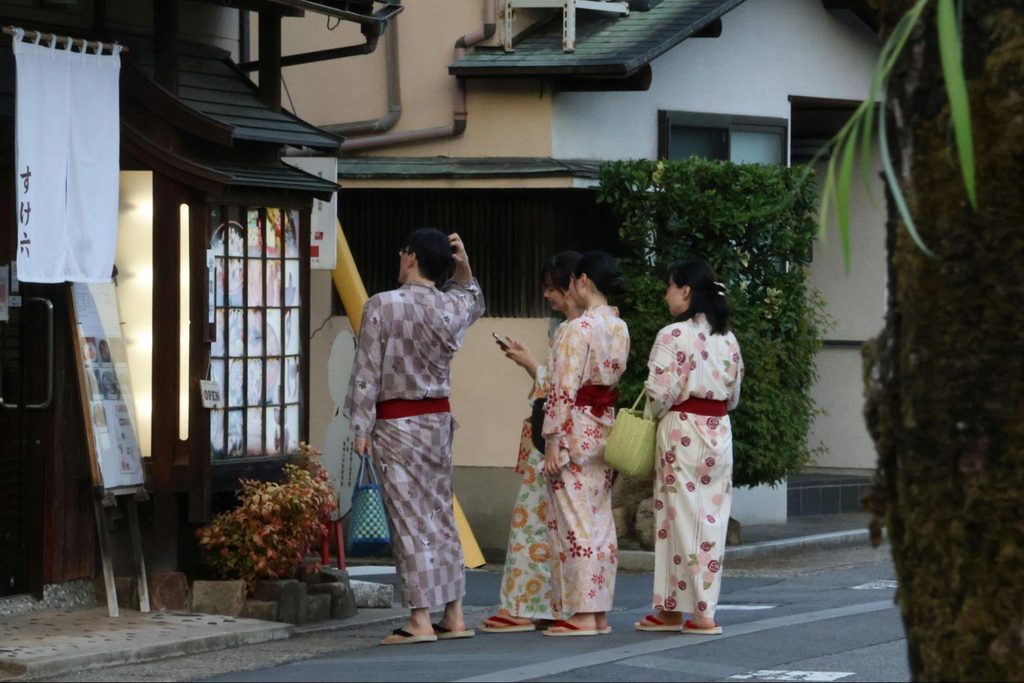
Photo: Unsplash
Kinosaki is made for walking slowly.
The appeal is not only the baths. It is the rhythm between them. You leave your ryokan in yukata, walk along the river, hear wooden sandals on the street, stop for a small snack, then choose the next bath.
The town works best when the plan is light.
A good first evening might look like this:
- arrive by early afternoon
- leave luggage at your accommodation
- change into a yukata
- visit one public bath
- walk along the river
- have dinner
- visit one more bath if you still feel good
- return before you feel tired
Two baths can be enough.
Three baths can be enjoyable if you have time.
A full bathhouse circuit is better for visitors who stay longer and truly want the full sotoyu-meguri experience.
Do not turn bath hopping into a race. Hot water affects the body, especially after train travel, alcohol, or a large meal.
Morning or Evening?
Morning is quieter. It is good if you want a calm bath and fewer people.
Evening is more atmospheric. Yukata, lanterns, riverside lights, and wooden sandals make the town feel special.
Rain changes the experience. The streets can still look beautiful, but getas can feel slippery. In wet weather, choose nearby baths and keep the route short.
Summer also changes the rhythm. You may sweat after bathing if you walk too far. Plan café breaks or return to your accommodation between baths.
Wearing a Yukata
Many ryokan provide yukata for guests.
When wearing a yukata, place the left side over the right side. If you are unsure, ask your accommodation staff to help you before going outside.
Geta sandals are part of the Kinosaki feeling, but they are slower than normal shoes. Walk carefully on wet stone, slopes, and uneven paths.
The goal is not to look perfect. The goal is to move comfortably through town.
Travel Tips for First-Time Public Bath Visitors
Do Not Eat Too Much Before Bathing
A heavy meal before hot water can feel uncomfortable.
A light meal before bathing is better. After the bath, dinner often feels more relaxed.
If you drink alcohol, avoid entering a hot bath right after drinking.
Use Foot Baths for a Short Break
Some onsen towns have foot baths.
They are useful when you want the hot spring feeling without changing clothes. Kinosaki also has foot bath spots that can work well between walks, cafés, and shopping.
Foot baths are useful when your feet need a rest from walking around in getas.
Keep Children Calm in the Bath
Children are welcome in many public baths, but the bath is not a pool.
No running. No splashing. No loud voices.
If the water is too hot, do not force children to stay in. A short bath is fine.
Check the Correct Bath Entrance
Men’s and women’s entrances may be shown by signs, curtains, colors, or Japanese characters.
Check before entering. Some facilities may change sides by day or time.
This is a common place where first-time visitors pause. Taking a few seconds to check is normal.
Use Google Maps, But Trust the Town Signs Too
In a small onsen town, Google Maps is useful for general directions.
Town signs, bathhouse signs, and accommodation maps can be easier once you are walking.
Before leaving your accommodation, check your first bathhouse route. After that, keep the next stop simple.
Stay Connected for Small Route Checks
You may use your phone more than expected during an onsen trip.
Common moments include:
- checking train times
- checking bathhouse hours
- finding your accommodation
- looking for dinner
- checking weather
- translating signs
- confirming the route back after dark
- checking renovation or closure notices
Get mobile data before your trip, so you can check maps, train routes, and opening hours while you travel. Stay connected in Japan with an eSIM.
Access: How to Get to Kinosaki Onsen
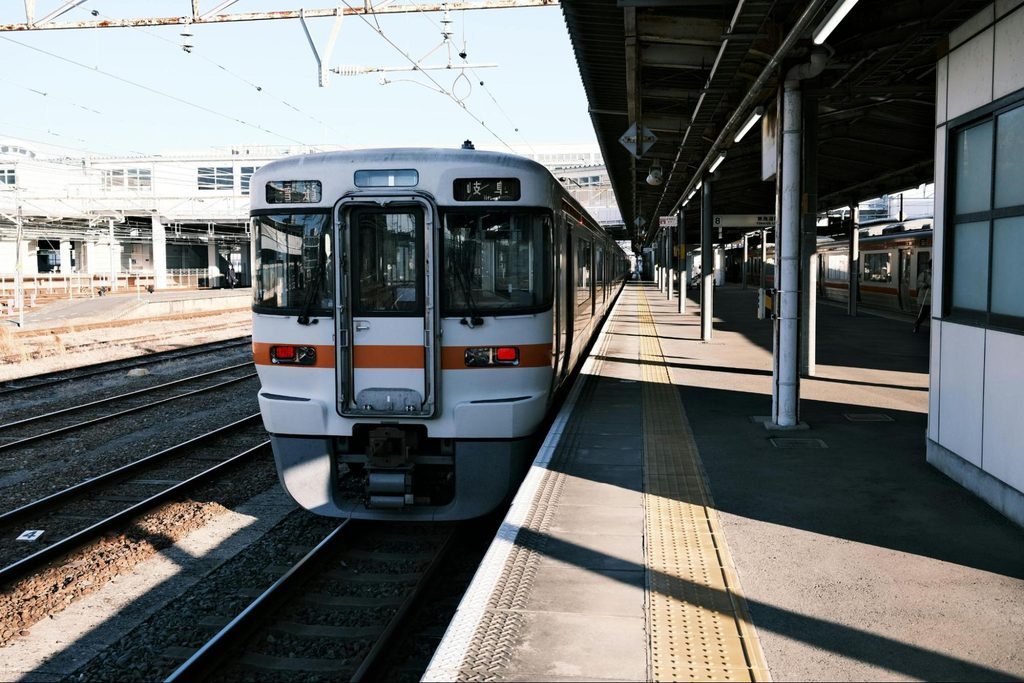
Photo: Pexels
Kinosaki Onsen is in Hyogo Prefecture, northern Kansai.
The nearest station is Kinosaki Onsen Station.
The town is walkable right from the station. The public baths are spread across town, so check your accommodation location before walking with luggage.
From Osaka
Kinosaki Onsen can be reached from Osaka by train, often using limited express services.
Travel time depends on train type and transfer timing. Check the latest route beforetraveling.If you are carrying luggage, choose the route with the fewest amount of transfers, not just the fastest one.
From Kyoto
Kyoto is also a common starting point.
Some routes connect Kyoto and Kinosaki Onsen by limited express train. Schedules may change, so check the route on the day before travel.
If you arrive in Kyoto from another city first, avoid placing Kinosaki on the same day as a long international arrival.
From Tokyo
From Tokyo, the usual route is to take the Shinkansen toward Kyoto or Osaka, then transfer to a limited express route toward Kinosaki Onsen.
This is a longer travel day. If you are arriving from overseas, consider staying in Kyoto or Osaka first before continuing to Kinosaki.
Travel times may vary depending on train type, transfer time, and season. Check official railway information before booking.
From Kansai International Airport
From Kansai International Airport, travel through Osaka or Kyoto first.
If your flight arrives late, stay one night in Osaka or Kyoto before going to Kinosaki. A hot spring town is better when you have time to arrive, check in, and slow down.
Walking from Kinosaki Onsen Station
From Kinosaki Onsen Station, check your accommodation location before walking.
Some accommodations are close. Others require a longer walk. Ask your accommodation about shuttle service or luggage support if you have large bags.
If you are planning to start bath hopping right away, leave your suitcase first.
A simple first step is better than trying to move around town with bags.
When you arrive, take a moment to face the right direction. The town is walkable, but it can still feel unfamiliar at first. Once your luggage is sorted, the bathhouse route becomes much easier.
Google Map
Use this map to check the layout of Kinosaki Onsen before you go.
Before leaving your accommodation, check the route to your first bathhouse. This is especially helpful if you are wearing geta, walking after dark, or visiting on a rainy day.
For maps, bathhouse details, and local planning materials, check the