Photo: Unsplash
Introduction
Onsen is one experience in Japan that is worth making time for on your trip. Hot spring culture has been part of Japanese life for centuries. Not just a way to bathe, but as a way to rest, recover, and reconnect. It is woven into daily life in a way that is hard to explain until you try it yourself.
However, for first-time visitors, it can feel a little intimidating. Do you really go in without clothes? What if you have a tattoo? How does it all work? These are fair questions, and this guide answers all of them.
Once you know the basics, an onsen is one of the most enjoyable things you can do in Japan. It will probably become a highlight of your trip.
In this article you will learn:
- The history and cultural background of onsen
- The health benefits of hot springs
- The different types of onsen
- How to use an onsen, step by step
- What to bring
- The tattoo rule and how to handle it
- Swimsuit-friendly facilities
- A recommended facility for foreign visitors
The History of Onsen in Japan
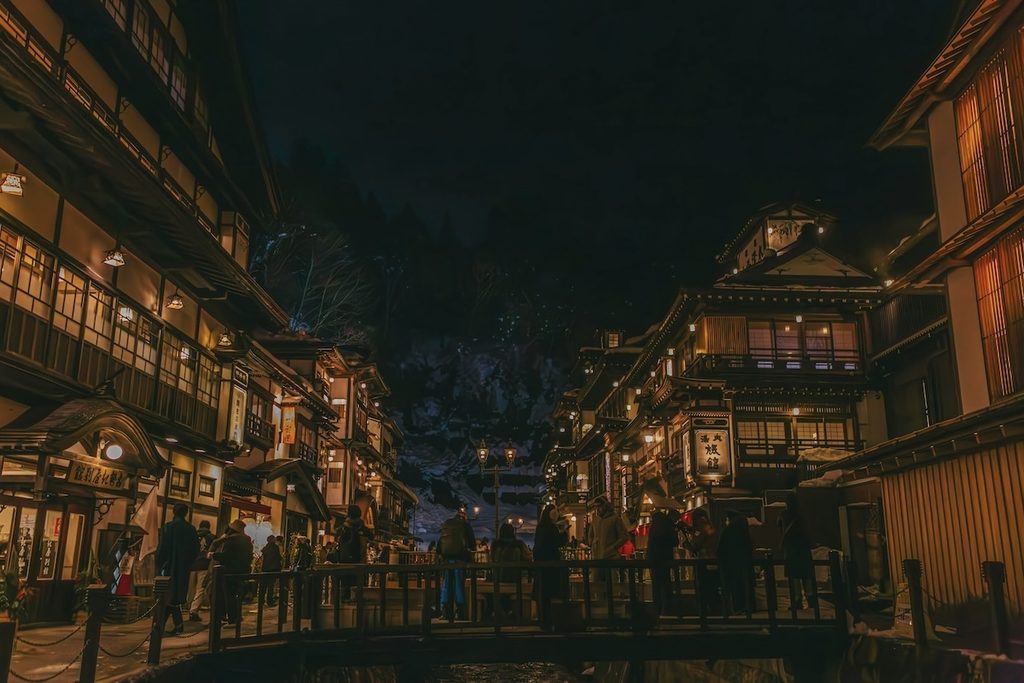
Photo: Unsplash
One reason Japan has so many hot springs is that it sits on top of one of the most volcanically active regions on earth. There are more than 3,000 hot spring areas across Japan — enough that no matter where you travel, an onsen is never far away.
The recorded history of onsen in Japan goes back as far as the Nara period (710–794). For much of that history, hot springs were used for “Toji” — a kind of hot spring therapy in which people stayed near a spring for days or weeks to recover from illness or injury. Everyone, from samurai to ordinary people, sought out these places. During the Sengoku period, records show that warriors used hot springs to recover from wounds sustained in battle.
Japan also has a culture of onsen towns, called onsen-gai. These are towns built around hot springs, lined with ryokan (traditional inns), restaurants, and shops. Hakone, Kusatsu, and Beppu are well-known examples. Onsen has never been just a place to wash. It has long been a destination, a reason to travel, and a central part of how Japanese people rest and recharge.
The Health Benefits of Onsen
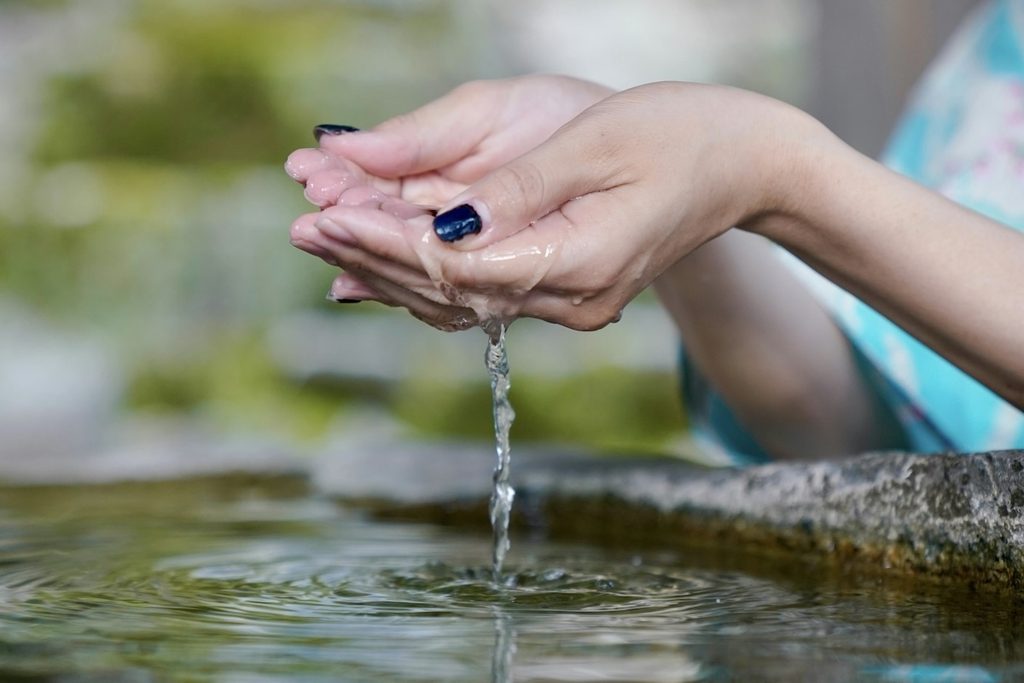
Photo: Pexels
The appeal of onsen goes well beyond relaxation. The mineral content of hot spring water has been linked to a range of health benefits, and this has been understood in Japan for a very long time.
The most widely recognized effects are fatigue relief and muscle recovery. Soaking in warm water improves circulation, which helps carry oxygen and nutrients through the body more effectively. After a long day of sightseeing or travel, time in an onsen does a lot to ease tired muscles and heavy legs.
Skin benefits are also worth noting. Depending on the type of spring, regular soaking can leave skin feeling noticeably softer. Some springs are known specifically for their skin embellishing effects. They are sometimes called “Bijin no yu”, which means “beautiful person’s hot spring”. Stress relief and general relaxation are other well-documented effects. The combination of heat, quiet, and a calm environment makes an onsen a reset for both body and mind.
Different types of spring waters have different effects. Sulfur springs are often associated with skin conditions and chronic fatigue. Carbonated springs are said to support circulation and reduce the strain on the heart. Salt springs retain heat well and are often recommended for people who feel cold easily. Part of the appeal of traveling between onsen areas is that each spring has its own character.
Types of Onsen
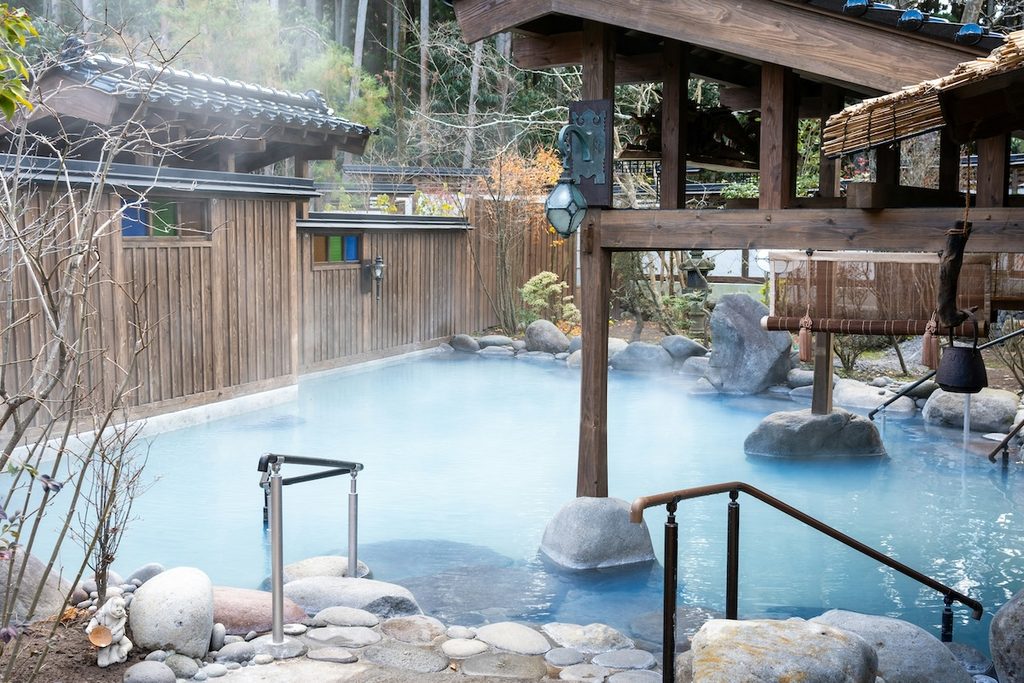
Photo: Unsplash
Not all onsen look the same. There are a few different formats, and knowing the difference can help you choose what suits you.
Rotenburo (Outdoor Bath)
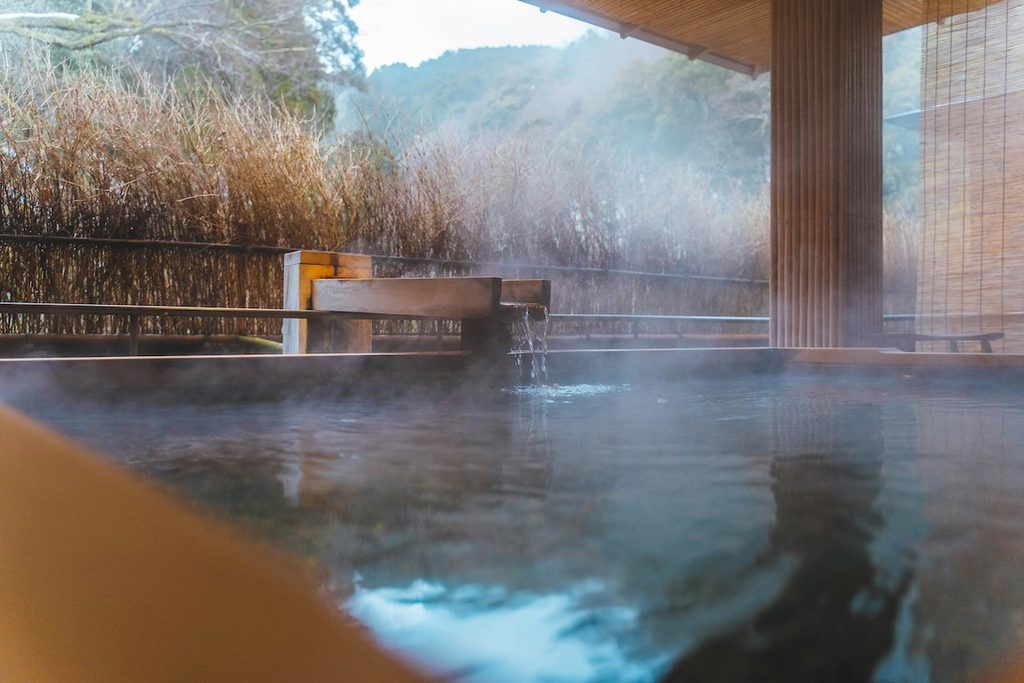
An outdoor bath set within a natural or landscaped environment. Soaking outside while looking at mountains, forest, or snow is one of the most iconic onsen experiences in Japan. The view changes with the season, which is part of why rotenburo is so popular. Fresh air from outside also helps your body cool down.
Indoor Bath
Comfortable in any weather, year-round. Many facilities offer both indoor and outdoor baths, so you can move between the two during a single visit.
Private Bath (Kashikiri-buro / Family Bath)
A bath reserved for one group at a time. Popular with couples, families, and anyone who prefers a quieter, more private experience. For visitors with tattoos, a private bath is often one of the most accessible options.
Konyoku (Mixed-Gender Bath)
A bath shared by men and women. Once common across Japan, mixed-gender bathing has become quite rare. If you are interested in this type of experience, check in advance, as only a small number of facilities still offer it.
Ashiyu (Foot Bath)
If you are not ready to commit to a full onsen experience, a foot bath, (called Ashiyu) is a great place to start. You simply sit at the edge of a shallow pool and soak your feet in the warm spring water. No changing room, no undressing — just roll up your trousers, take your socks off and step in. Ashiyu are often found outdoors in onsen towns, along streets or near train stations, and many are free to use. They offer the same warming and relaxing effects as a full bath, just in a much simpler format. If you are visiting an onsen town like Hakone or Kusatsu, look out for one — it is an easy and enjoyable way to experience hot spring culture without any of the pressure.
How to Use an Onsen
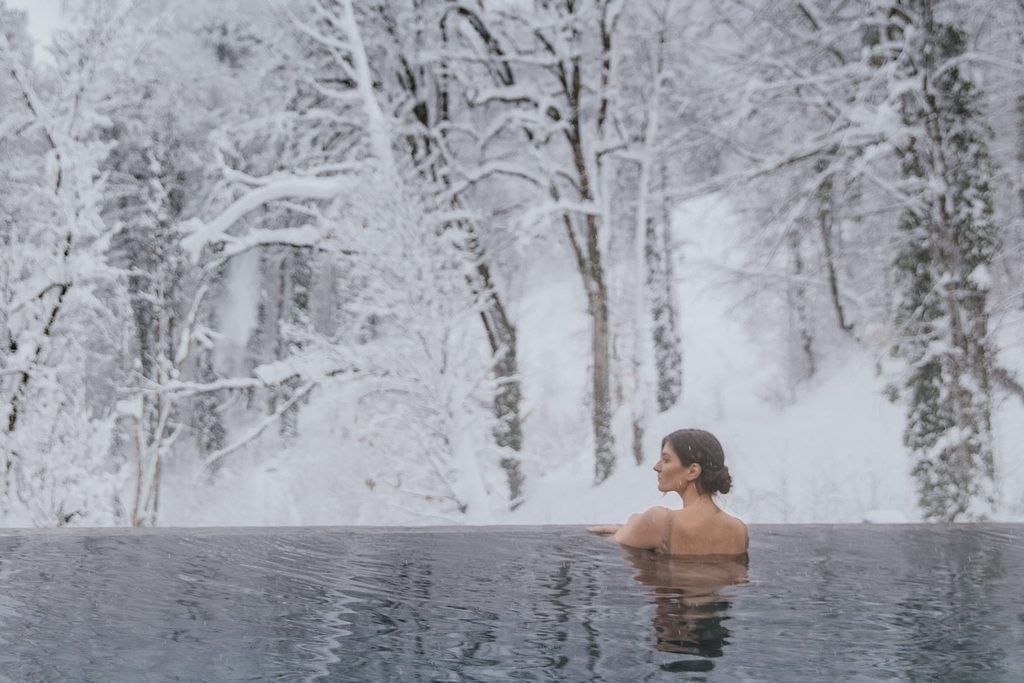
Photo: Pexels
The first thing that surprises most first-time visitors is that onsen is done without clothing. Swimwear is not allowed in most traditional facilities. This is partly about hygiene — keeping the shared water clean — and partly cultural. There is also a Japanese concept sometimes described as “Hadaka no Tsukiai,” which means “naked friendship.” The idea is that removing your clothes also removes the social markers of status and rank, putting everyone on equal footing. It sounds unusual and might be hard to understand, but it will make complete sense only once you experience it.
Here is how a typical onsen visit works:
- Undress in the Changing Room
Leave your clothes and your belongings in the locker provided. Most facilities have lockers in the changing room. Take your small towel with you into the bathing area.
- Wash Your Body Before Getting into the Bath
Before getting into the bath, you always need to rinse yourself with hot water or wash your body thoroughly at the shower station. This is an important rule in any Japanese public bath. Entering clean is essential since everyone will share the water. Also, warming your body up with hot water makes you adjust to the temperature of the bath, and you can enjoy the bath longer.
- Enter the Bath
Once clean, enter the bath slowly. Do not put your towel in the water — rest it on your head or leave it at the edge of the bath. This is another hygiene rule that applies across all facilities. If you have long hair, tie it up before taking a bath. Hair also should not touch the water. Move quietly, avoid splashing, and keep your voice low.
- Watch Your Time
Hot spring soaking makes you feel good, but staying in too long puts strain on the body. If you start to feel lightheaded or overheated, get out and rest somewhere cool. Drink water before and after bathing. Most facilities have a water station near the bathing area.
- Dry Off Before Returning to the Changing Room
Before going back into the changing room, wipe down with your small towel. This keeps the changing room floor dry for everyone. Your small towel is essential for this step. So always bring it with you into the bathing area.
What to Bring
Most onsen facilities have the basics covered, so you do not need much. But a few things are worth knowing before you arrive.
- Towel
Most facilities offer towel rental, but this usually comes at an extra fee. Bringing your own is fine,a small towel (roughly 34cm x 85cm) is the standard size for onsen use. Always bring it into the bathing area with you. Use this small towel to soak up any dripping water before returning to the changing room. Additionally, bring a regular bath towel to completely dry off before changing into your clothes.
- Shampoo and Body Wash
Most facilities stock shampoo and body wash at the shower stations. If you prefer your own products, bring them. It is quite a small thing, but it can make the experience feel more comfortable.
- Face Wash and Skincare
Face wash is rarely provided. If you use toner, moisturizer, or other skincare products after washing your face, it might be better to bring them. The changing room typically has a sink, mirror, and seating area set up for exactly this purpose. A hairdryer is also usually available in the changing room.
- Hair Tie
Long hair needs to be tied up before entering the bath. Hair should not touch the water. Bring a hair tie if your hair is long enough to need one. And it’s not just about hygiene, onsen water has high mineral content that could damage your hair.
- Cash
Many onsen facilities are cash only. Card and digital payments are not always accepted, especially at smaller or more traditional places. Have cash ready before you arrive.
- A Change of Clothes
You will likely sweat a little after a long soak. A fresh set of clothes makes the trip back much more comfortable.
The Tattoo Rule: Why It Exists and What to Do
Many onsen facilities in Japan do not allow tattoos. For visitors from countries where tattoos are common, this can come as a surprise. But understanding why the rule exists makes it easier to navigate.
Historically, tattoos in Japan were strongly associated with organized crime. Because of this, many public bath facilities banned tattooed visitors as a way to make other guests feel safe and relaxed. This is not a judgment of tattoos as a form of expression. It is a rule that developed from a specific cultural context, and it has been in place for a long time.
However, that context is slowly shifting. With more international visitors coming to Japan now, the Japan Tourism Agency issued guidance encouraging facilities to find ways to accommodate tattooed guests rather than turning them away outright. Some facilities now allow entry if tattoos can be covered with a patch or waterproof plaster/bandage. But still, rules vary widely depending on the facility and the region.
Japan Tourism Agency: https://www.mlit.go.jp/kankocho/ryokan/list_en-6.html
Options for Visitors with Tattoos
Book a Private Bath
A private bath (kashikiri-buro) is one of the most practical options. Because you are not sharing the space with other guests, tattoo restrictions often do not apply in the same way. Advance booking may be required — check the facility’s website or contact them ahead of time to confirm availability.
Use a Cover Patch
Some facilities allow entry if small tattoos are fully covered with a waterproof patch. Rules vary by facility, including acceptable size, how many patches are allowed, and whether the facility provides them or requires you to bring your own. Check the official website or call ahead before your visit.
Choose a Tattoo-Friendly Facility
Some facilities have policies that are more open to tattooed visitors, though rules may apply. Tenzan Tojikyo in Hakone (see below) is one well-known example. Searching for tattoo-friendly onsen before your trip is the most reliable way to avoid any issues at the door.
Each facility sets its own rules and policies, but they can differ quite a bit from one place to the next. When in doubt, a quick check of the official website or a short phone call before you go is always the right move. To look up facilities, check policies, or use a translation tool on the go, having mobile data makes everything easier. Check out recommended eSIM options for Japan here: https://getjapanesim.com
A Recommended Facility for Solo Foreign Visitors: Tenzan Tojikyo
“Tenzan Tojikyo” is a hot spring facility in Hakone, in the Oku-Yumoto area. It has an English page on its website, and its approach to tattooed visitors is more considerate than most no-entry permitted locations.
The facility’s general policy does not allow tattoos. However, they have stated that they will not turn away someone who comes really seeking the benefits of toji (hot spring cure) — as long as two conditions are met:
- You visit alone. If two or more tattooed visitors come together, entry is not permitted.
- You keep your tattoos covered during your stay, out of consideration for other guests.
The facility includes several bathing areas — Tenzan, Ikkyu, Hagoromo, and Gensen — with a mix of outdoor and indoor baths. No reservation is needed. Payment is cash only. Before visiting, check the official website for current details and any updated guidance here:https://tenzan.jp/english/
For Those Who Prefer Swimwear
If nude bathing is not something you are ready for, or if you want to enjoy hot springs together with people of a different gender, swimsuit-friendly facilities are a good option.
Hakone Kowakien Yunessun (called Yunessun) is one of the best-known examples. The main area requires swimwear and is open to both men and women. The baths here are themed — wine, coffee, sake, and others — which makes the experience feel more like a resort than a traditional onsen. It is a popular choice for families, couples, and first-timers who want to ease into the experience.
For visitors with tattoos, the swimsuit zone at Yunessun is generally accessible as long as tattoos are covered by the swimwear. However, the separate traditional bathing area within the same complex, known as “Mori no Yu”, follows a no-tattoo policy. Check the official website before visiting to confirm the current rules here: https://www.yunessun.com/?stt_lang=en
Summary
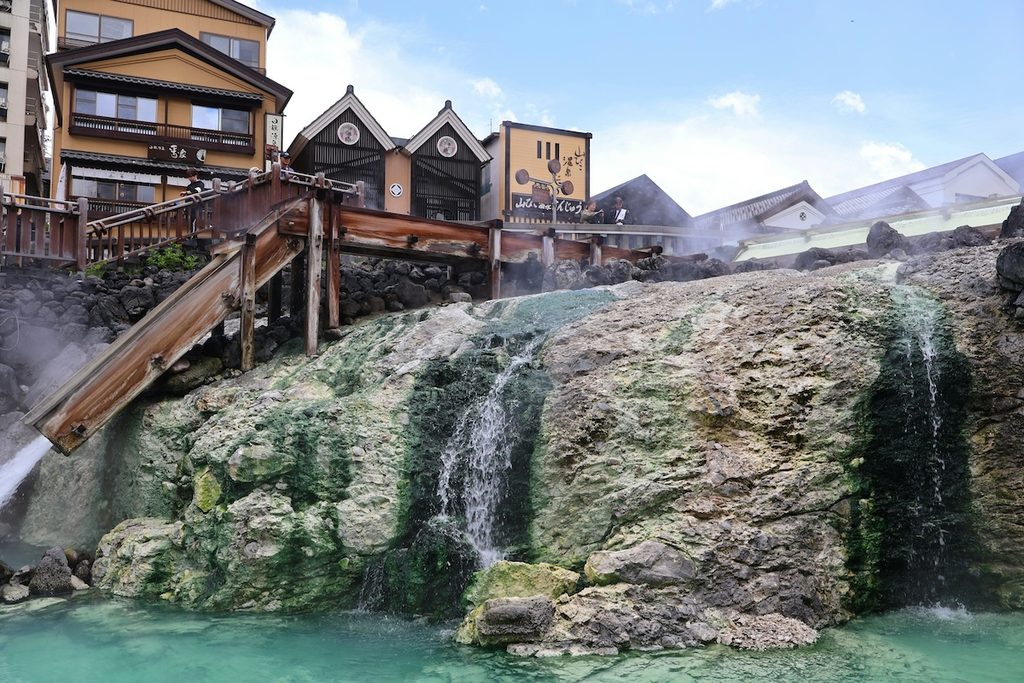
Photo: Unsplash
Onsen is one of those experiences that is hard to explain and easy to love. Once you know the rules, the whole thing becomes very simple: wash first, soak slowly, be quiet, and take your time. The rest falls into place on its own.
Even having a tattoo does not mean onsen is off the table. Private baths, cover patches, and tattoo-friendly facilities all offer real options. Onsen rules vary by facility; what is allowed in one place may not be in another. If anything is unclear, contact the facility directly before you go. A quick call or message avoids any awkwardness or trouble on the day, and is better for everyone involved.
Japan has more than 3,000 hot spring areas, from Hokkaido in the north to Okinawa in the south. Some are tucked into mountain forests. Others are in the middle of cities. Some take an hour to reach from Tokyo; others are a short walk from your hotel. It is always worth the stop.
Looking up facilities, checking tattoo policies, or translating a facility’s rules is much easier with reliable mobile data. A Japan eSIM means you can do all of this on the go, without needing to find Wi-Fi first. Check out recommended eSIM options for Japan here: https://getjapanesim.com