Introduction
Kyoto is one of Japan’s most beautiful and historic cities, attracting millions of visitors from around the world every year. As the former capital of Japan for more than one thousand years, Kyoto has preserved an extraordinary collection of temples, shrines, traditional wooden houses, peaceful gardens, and cultural treasures. Every street tells a story, and every neighborhood offers visitors a glimpse into Japan’s rich history and traditions.
Unlike Tokyo or Osaka, Kyoto is a city that invites visitors to slow down. While buses and trains are convenient, many of Kyoto’s most famous attractions are located close enough to explore on foot. Walking allows you to experience the city’s unique atmosphere, discover hidden temples, browse traditional shops, and enjoy quiet moments that are often missed when traveling by public transportation.
One of the greatest joys of visiting Kyoto is that every season offers a different experience. Cherry blossoms transform the city into shades of soft pink during spring, while summer fills the streets with lively festivals and fresh greenery. Autumn is famous for spectacular maple leaves that surround temples in brilliant shades of red and gold, while winter offers peaceful scenery and fewer crowds.
Whether you are visiting Kyoto for the first time or returning for another adventure, exploring the city on foot is one of the best ways to appreciate its beauty. From famous UNESCO World Heritage Sites to charming backstreets filled with local cafés, every step reveals something memorable.
This guide introduces one of the most enjoyable walking routes through Kyoto, covering both famous landmarks and lesser-known locations. Along the way, you’ll discover traditional Japanese culture, delicious local food, excellent photography spots, and practical travel tips that will help you make the most of your visit.
In this article, you will learn:
- The best walking routes in Kyoto
- Famous temples and shrines to visit
- Historic districts full of traditional charm
- Recommended cafés and local specialties
- Beautiful photography spots
- Helpful travel tips for first-time visitors
Why Explore Kyoto on Foot?
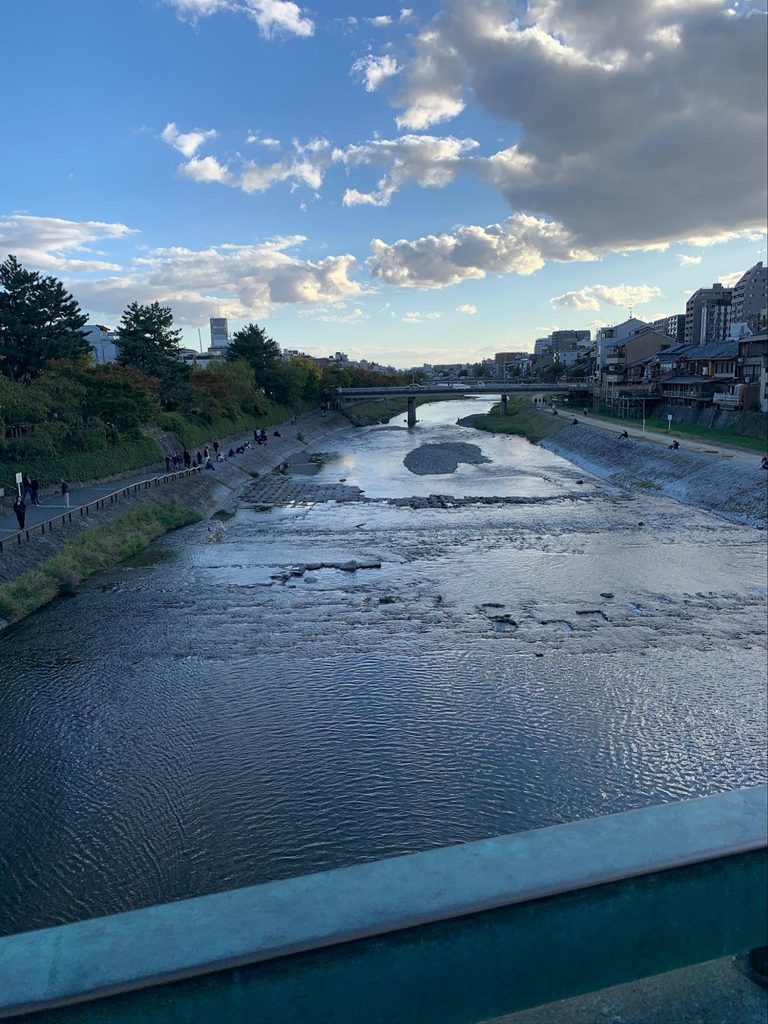
Walking along Kyoto’s traditional streets.
Kyoto is often described as an open-air museum because history can be found almost everywhere you look. Unlike many modern cities, Kyoto has carefully preserved its traditional atmosphere. Walking through the city allows visitors to appreciate details that are impossible to notice from a train or bus, such as small stone statues, hidden shrines, beautiful wooden architecture, and quiet gardens tucked away behind old walls.
Many of Kyoto’s most famous sightseeing areas were originally designed centuries before cars existed. Narrow stone paths, peaceful temple approaches, and historic shopping streets are all meant to be explored at a relaxed pace. As you walk, you’ll hear the sound of temple bells, flowing streams, and birds singing in nearby gardens, creating a peaceful atmosphere that makes Kyoto unlike anywhere else in Japan.
Walking also gives visitors the freedom to explore without strict schedules. You may discover a traditional tea house, stop to watch local artisans at work, or enjoy seasonal sweets from a family-owned shop that you hadn’t planned to visit. These unexpected discoveries often become the highlights of a trip.
Photography lovers will especially enjoy exploring Kyoto on foot. Every corner offers a different perspective, from narrow alleys lined with lanterns to panoramic views from temple terraces. Early mornings and late afternoons provide beautiful natural light, making even ordinary streets look magical.
If you truly want to understand Kyoto’s history, culture, and daily life, walking is undoubtedly the best way to experience the city.
Higashiyama Walking Course
Higashiyama is one of Kyoto’s most famous sightseeing districts and the perfect place to begin your walking tour. This historic neighborhood preserves the atmosphere of old Kyoto with its beautifully maintained wooden buildings, stone-paved streets, traditional restaurants, and centuries-old temples.
Many travelers consider Higashiyama to be the heart of traditional Kyoto because almost every street looks like a scene from a historical film. Walking here allows visitors to experience the beauty of Japan’s past while enjoying modern cafés, souvenir shops, and local restaurants that blend naturally into the historic landscape.
Although Higashiyama is popular throughout the year, arriving early in the morning is highly recommended. Before the crowds arrive, the streets are quiet, the light is soft, and photographers can capture beautiful images without large groups of tourists in the background.
Depending on how often you stop for sightseeing, shopping, and food, this walking route usually takes four to six hours to complete.
Visit Kiyomizu-dera Temple
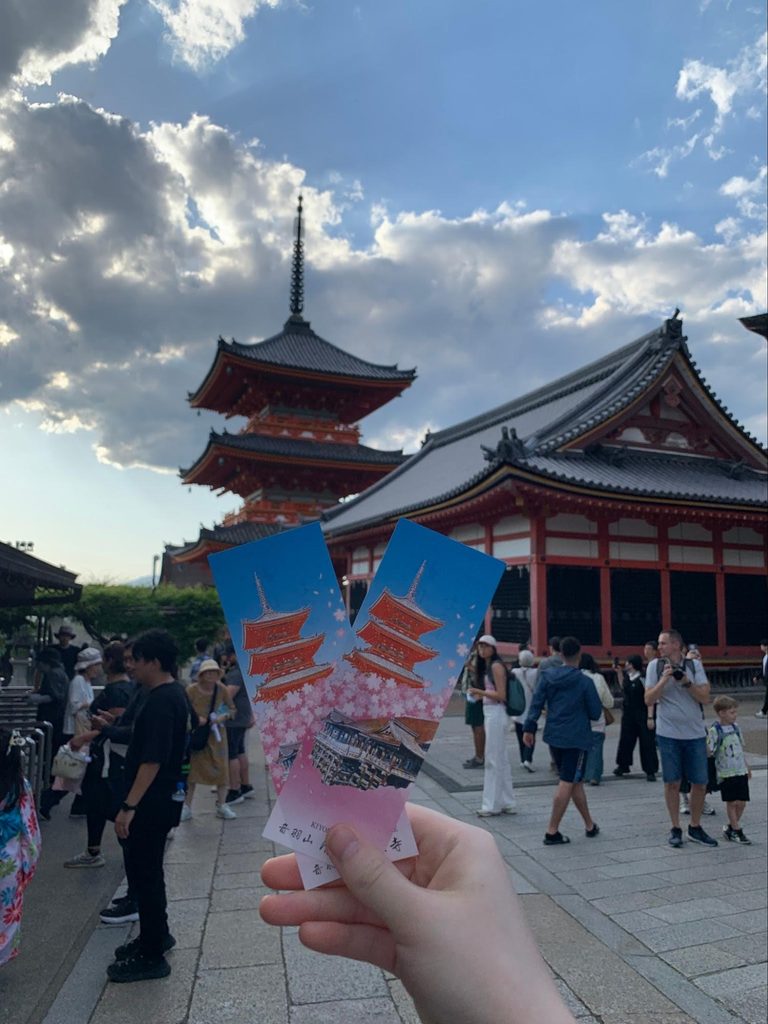
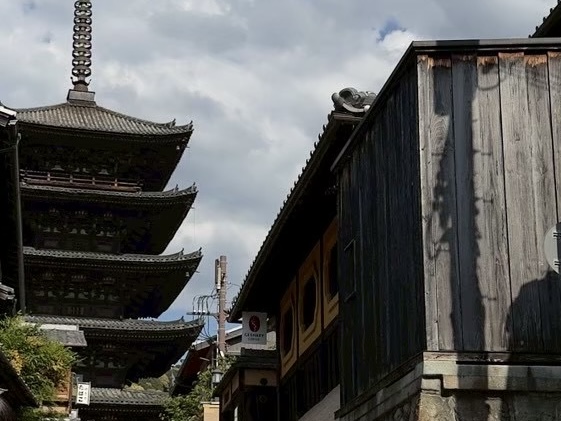
Your journey begins at Kiyomizu-dera, one of Japan’s most famous Buddhist temples and a UNESCO World Heritage Site. Founded in 778, the temple has welcomed visitors for more than 1,200 years and remains one of Kyoto’s most important cultural landmarks.
The temple is best known for its enormous wooden stage that extends from the hillside without the use of nails in its original construction. From here, visitors can enjoy breathtaking panoramic views across Kyoto, with mountains surrounding the city in the distance.
Each season transforms Kiyomizu-dera into a completely different destination. Spring brings thousands of cherry blossoms, while summer covers the mountains in rich green colors. During autumn, brilliant maple leaves surround the temple and create one of Kyoto’s most famous sightseeing scenes. Winter offers peaceful landscapes that feel calm and spiritual.
Inside the temple grounds, visitors can also explore beautiful pagodas, peaceful gardens, and the famous Otowa Waterfall. According to tradition, drinking water from one of its three streams is believed to bring good fortune related to health, success, or love. Many visitors enjoy this unique cultural experience before continuing their walk through Kyoto.
Take your time exploring the temple grounds, as there are many smaller shrines and scenic viewpoints that are easy to miss if you rush.
Walk Along Sannen-zaka and Ninen-zaka
After leaving Kiyomizu-dera, continue downhill toward Sannen-zaka and Ninen-zaka, two of Kyoto’s most famous historic streets. These beautifully preserved stone pathways have welcomed travelers for centuries and remain some of the city’s most photographed locations.
Traditional wooden buildings line both sides of the streets, housing tea shops, souvenir stores, restaurants, sweet shops, and artisan workshops. Unlike modern shopping districts, these streets maintain a timeless appearance, allowing visitors to imagine what Kyoto looked like hundreds of years ago.
Many travelers choose to rent a kimono before visiting this area, making the scenery even more picturesque. Seeing visitors dressed in colorful traditional clothing walking through historic streets creates an unforgettable image of Kyoto.
As you stroll downhill, you’ll find countless opportunities to stop and browse handmade pottery, folding fans, chopsticks, Japanese sweets, and locally produced crafts. Even if you don’t plan to shop, simply looking inside these traditional stores is an enjoyable experience.
This area is also one of Kyoto’s best places to enjoy local snacks. Popular treats include freshly grilled rice crackers, matcha soft serve ice cream, handmade yatsuhashi sweets, warabi mochi, and freshly brewed Japanese green tea. Many cafés also offer beautiful garden views, making them excellent places to take a short break during your walk.
Experience Traditional Kyoto Culture
Walking through Higashiyama is about much more than sightseeing. It is also an opportunity to experience traditional Japanese culture firsthand.
Kimono rental shops can be found throughout the district, offering visitors the chance to dress in beautiful traditional clothing for the day. Most rental packages include hairstyling, accessories, sandals, and assistance with dressing, making the experience easy even for first-time visitors.
In addition to kimono experiences, many cultural workshops are available nearby. Visitors can participate in traditional tea ceremonies, Japanese calligraphy classes, incense-making workshops, and wagashi (Japanese sweets) making experiences. These activities provide a deeper appreciation of Kyoto’s cultural heritage and create memories that last long after the trip has ended.
Simply slowing down, walking the historic streets, and observing daily life in Kyoto is one of the most rewarding experiences the city has to offer.
Stop by Yasaka Pagoda
As you continue walking through Sannen-zaka, you’ll soon arrive at one of Kyoto’s most recognizable landmarks—the Yasaka Pagoda. Officially known as Hōkan-ji Temple, this five-story pagoda has become one of the city’s most photographed locations. Rising above the traditional rooftops of Higashiyama, it perfectly represents the timeless beauty of Kyoto.
The pagoda is believed to have been originally built more than 1,400 years ago, although it has been rebuilt several times throughout history due to fires and natural disasters. Today, it stands as an enduring symbol of Kyoto’s cultural heritage and attracts visitors from around the world.
The narrow streets surrounding the pagoda create the perfect setting for photography. Traditional wooden houses, stone pathways, and small cafés frame the historic structure beautifully, especially during the early morning when there are fewer visitors. Many travelers choose to wear kimono while taking photos here, adding an extra touch of traditional Japanese atmosphere.
If you enjoy photography, take time to explore different angles around the pagoda instead of only stopping at the main viewpoint. Small side streets often provide quieter locations and unique compositions that many visitors overlook.
Visit Yasaka Shrine
After leaving Yasaka Pagoda, continue walking toward Yasaka Shrine, one of Kyoto’s most important Shinto shrines. Located at the eastern end of Shijo Street, this historic shrine has welcomed worshippers for over a thousand years and is especially famous as the home of the annual Gion Matsuri, one of Japan’s largest and most celebrated festivals.
Unlike many temples in Kyoto, Yasaka Shrine can be visited at any time of day because the shrine grounds remain open twenty-four hours. During the evening, lanterns illuminate the shrine buildings, creating a peaceful and romantic atmosphere that attracts both photographers and couples.
The shrine’s bright vermilion gates stand out beautifully against the surrounding greenery, making it one of Kyoto’s most colorful landmarks. Visitors often stop here to pray for good health, success, and happiness before continuing their sightseeing journey.
Throughout the year, various traditional ceremonies and seasonal festivals are held at Yasaka Shrine. Even if no special event is taking place during your visit, simply walking through the peaceful grounds offers a welcomed break from the busier tourist streets nearby.
Relax at Maruyama Park
Located directly behind Yasaka Shrine, Maruyama Park is Kyoto’s oldest public park and one of the city’s most popular places to relax. The park offers wide walking paths, beautiful ponds, traditional tea houses, and seasonal flowers that create different scenery throughout the year.
Spring is undoubtedly the most famous season to visit. The park’s magnificent weeping cherry tree becomes the centerpiece of countless photographs as thousands of blossoms cover the surrounding landscape. During cherry blossom season, visitors gather for hanami, the traditional Japanese custom of enjoying flowers with family and friends.
Autumn is equally beautiful, with maple trees transforming the park into shades of red, orange, and yellow. Even during summer and winter, Maruyama Park provides a peaceful escape where visitors can enjoy nature while remaining close to Kyoto’s busiest sightseeing districts.
Many local cafés around the park serve matcha desserts, seasonal sweets, and freshly steeped Japanese tea. Taking a short break here is an excellent way to recharge before continuing your walking tour.
Explore the Historic Gion District
Leaving Maruyama Park, continue toward Gion, Kyoto’s most famous traditional entertainment district. This historic neighborhood has preserved its elegant atmosphere for centuries and remains one of the best places in Japan to experience traditional culture.
Walking through Gion feels completely different from exploring modern Japanese cities. Narrow streets lined with beautifully preserved wooden machiya townhouses create a peaceful environment where visitors can appreciate Kyoto’s unique architectural style. Many of these historic buildings now operate as restaurants, tea houses, boutique hotels, and specialty shops while maintaining their traditional appearance.
Gion is internationally known as one of the few places where visitors may catch a glimpse of a geiko (Kyoto’s term for geisha) or a maiko (apprentice geisha) walking between appointments. If you are fortunate enough to see one, remember to be respectful by avoiding blocking their path or taking intrusive photographs.
Instead of rushing through Gion, spend time wandering the smaller side streets. Quiet lanes often reveal beautiful wooden entrances, stone lanterns, hidden gardens, and charming cafés that are absent from guidebooks.
Discover Hanami-koji Street
Hanami-koji is the most famous street in Gion and one of Kyoto’s best-preserved historic districts. Stretching through the center of the neighborhood, this elegant street is lined with traditional restaurants where geiko and maiko continue to entertain guests using centuries-old customs.
Walking here during the late afternoon or early evening creates a particularly memorable experience. Lanterns gradually begin to glow as the sun sets, giving the street a warm and nostalgic atmosphere. The combination of historic architecture and soft lighting makes Hanami-koji one of Kyoto’s most photogenic locations.
Although many of the traditional restaurants require reservations, visitors are free to walk through the area and admire its architecture. Several cafés and sweet shops nearby provide excellent opportunities to relax while enjoying matcha desserts or Japanese confectioneries.
Walk Along the Shirakawa Canal
Just a few minutes from Hanami-koji lies the beautiful Shirakawa Canal, one of Kyoto’s hidden gems. This quiet waterway flows gently through Gion, creating a peaceful atmosphere that feels worlds away from the busy tourist streets.
Traditional wooden buildings line the canal, while willow trees gracefully hang over the water. Small stone bridges connect both sides of the canal, creating countless beautiful photography opportunities. During spring, cherry blossoms bloom along the riverbanks, while autumn paints the area with colorful maple leaves.
Many visitors consider Shirakawa one of the most romantic places in Kyoto. Early mornings offer calm reflections on the water, while evenings provide softly illuminated scenery perfect for leisurely walks.
This tranquil area reminds visitors that Kyoto’s greatest beauty often lies not only in its famous temples but also in its quiet streets and hidden corners where history and nature exist together.
Explore Pontocho Alley
After exploring Gion, continue your walk toward Pontocho Alley, one of Kyoto’s most charming and atmospheric streets. Running alongside the Kamogawa River, this narrow alley is filled with traditional wooden buildings, cozy restaurants, and historic tea houses that have welcomed guests for generations.
Although Pontocho is relatively small, it offers one of the most authentic traditional experiences in Kyoto. During the daytime, the alley is peaceful and ideal for slow walks, while the evening transforms it into one of the city’s most romantic destinations as lanterns light up the historic buildings.
Many restaurants in Pontocho specialize in Kyoto cuisine, including seasonal kaiseki meals, grilled dishes, sushi, and traditional Japanese desserts. Dining here provides not only delicious food but also the opportunity to experience Kyoto’s refined hospitality in a historic setting.
Because the alley is quite narrow, it is best explored on foot. Taking your time allows you to appreciate the beautiful architecture and discover hidden restaurants tucked away behind wooden doors. Photographers also enjoy capturing the warm glow of lanterns reflecting on the old streets after sunset.
Walk Along the Kamogawa River
Just a short walk from Pontocho is the Kamogawa River, one of Kyoto’s most beloved public spaces. Stretching through the center of the city, the river offers wide walking paths, peaceful scenery, and beautiful views throughout the year.
Locals and visitors alike gather here to enjoy leisurely walks, jogging, cycling, or simply sitting along the riverbanks while watching the flowing water. During spring, cherry blossom trees create a picturesque landscape, while summer evenings attract people looking to escape the daytime heat.
The Kamogawa River is also a wonderful place to observe everyday life in Kyoto. Families enjoy picnics, musicians perform along the riverbanks, and students gather with friends after school. Unlike the city’s famous temples, the river provides a glimpse into Kyoto’s modern lifestyle while still maintaining a relaxing atmosphere.
For photographers, sunrise and sunset offer especially beautiful lighting. The combination of mountains in the distance, traditional buildings, and reflections on the water creates unforgettable scenery.
Continue Your Kyoto Walking Tour
Discover Nishiki Market
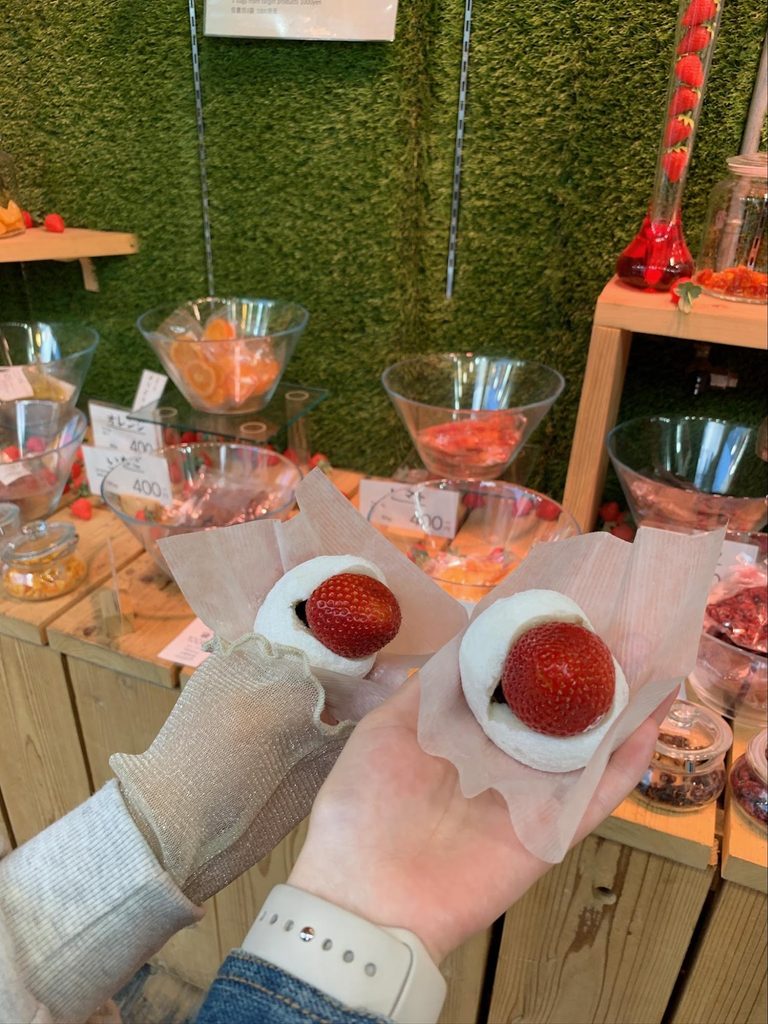
The lively atmosphere inside Nishiki Market.
No walking tour of Kyoto would be complete without visiting Nishiki Market, often called “Kyoto’s Kitchen.” This historic shopping street stretches for approximately 400 meters and is home to more than one hundred shops selling fresh seafood, local specialties, traditional sweets, kitchenware, and seasonal ingredients.
The market has served local residents for hundreds of years and continues to be one of the best places to experience Kyoto’s food culture. Walking through its lively arcade allows visitors to sample a wide variety of local dishes while interacting with friendly shop owners.
Some of the most popular foods include grilled seafood, tamagoyaki (Japanese rolled omelet), matcha-flavored desserts, soy milk doughnuts, fresh fruit, pickled vegetables, and wagyu beef skewers. Many shops also sell beautifully packaged souvenirs such as Japanese tea, spices, chopsticks, and handmade ceramics.
Because the market can become crowded during lunchtime, visiting in the morning or later in the afternoon often provides a more comfortable experience.
Experience Kyoto’s Café Culture
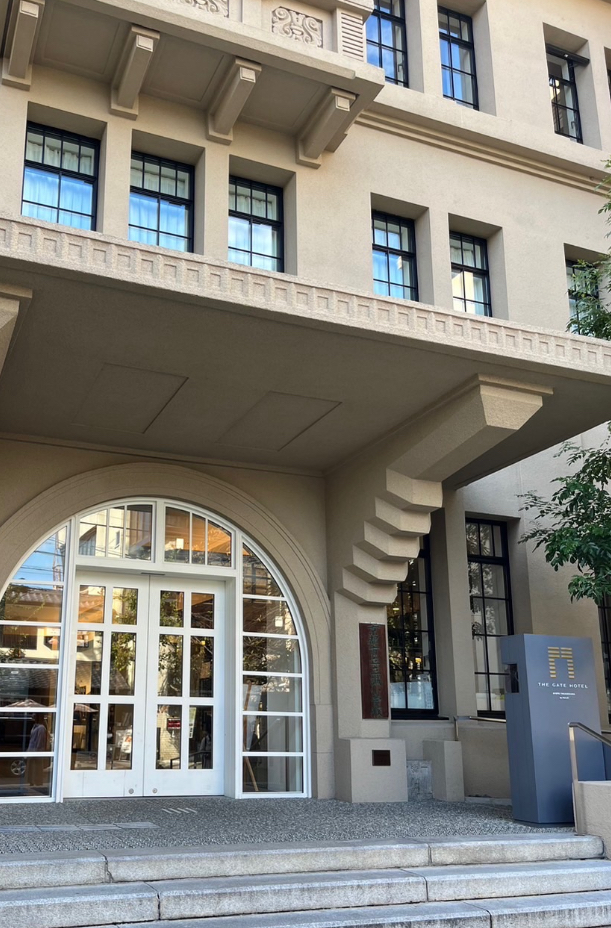
Walking through Kyoto naturally leads to many opportunities to relax at charming cafés. The city is famous not only for its historic temples but also for its elegant café culture that blends traditional Japanese aesthetics with modern hospitality.
Many cafés occupy beautifully restored machiya townhouses, allowing visitors to enjoy coffee or matcha while surrounded by traditional wooden architecture. Others overlook peaceful gardens where guests can admire seasonal flowers or colorful maple trees.
Matcha is undoubtedly one of Kyoto’s signature flavors. Visitors should not miss the opportunity to try matcha parfaits, soft serve ice cream, cakes, lattes, or freshly prepared tea served alongside delicate wagashi sweets. Because Kyoto is home to nearby Uji, one of Japan’s most famous tea-producing regions, the quality of matcha here is exceptional.
Taking occasional breaks throughout your walking tour not only helps you rest your feet but also provides opportunities to experience another important part of Kyoto’s culture.
Helpful Tips for Walking Around Kyoto
Kyoto is a city best enjoyed at a relaxed pace, but a little preparation can make your walking tour even more enjoyable.
Wear comfortable walking shoes, as many sightseeing routes include stone pathways, gentle hills, and temple staircases. Bringing a reusable water bottle is also recommended, especially during the warmer months.
Public transportation is widely available, but many attractions are close enough to reach on foot. Using Google Maps can help you discover shortcuts through quieter streets that are often more scenic than major roads.
Respect local customs while sightseeing. Speak quietly in residential neighborhoods, avoid blocking narrow streets while taking photographs, and always follow the rules at temples and shrines. If you see geiko or maiko walking through Gion, admire them respectfully without chasing them for photographs.
Starting your sightseeing early in the morning is one of the best ways to avoid crowds and enjoy Kyoto’s peaceful atmosphere. Popular attractions such as Kiyomizu-dera and Sannen-zaka are especially beautiful before tour groups arrive.
Suggested One-Day Kyoto Walking Route
If you have only one day to explore Kyoto, the following schedule allows you to experience many of the city’s highlights while enjoying a comfortable walking pace.
8:30 AM – Arrive at Kiyomizu-dera Temple
10:00 AM – Walk through Sannen-zaka and Ninen-zaka
11:30 AM – Visit Yasaka Pagoda
12:00 PM – Explore Yasaka Shrine
12:30 PM – Lunch near Gion
2:00 PM – Walk through Gion and Hanami-koji
3:30 PM – Relax beside the Shirakawa Canal
4:30 PM – Visit Nishiki Market
6:00 PM – Dinner in Pontocho Alley
7:30 PM – Evening walk along the Kamogawa River
This route combines Kyoto’s history, culture, food, shopping, and beautiful scenery into one unforgettable day.
Summary
Kyoto is a city that rewards slow travel. Rather than rushing from one famous attraction to another, walking allows visitors to discover the small details that make Kyoto so special. Historic temples, peaceful gardens, charming cafés, traditional streets, and friendly local shops all contribute to an experience that cannot be enjoyed from the window of a bus or train.
From the magnificent views at Kiyomizu-dera to the timeless beauty of Sannen-zaka, the elegant atmosphere of Gion, the delicious flavors of Nishiki Market, and the peaceful scenery of the Kamogawa River, every part of this walking route showcases a different side of Kyoto. Each neighborhood offers its own unique character while preserving traditions that have been passed down for centuries.
Whether you visit during cherry blossom season, the colorful autumn months, or the quiet beauty of winter, Kyoto always provides unforgettable scenery and meaningful cultural experiences. Walking through the city allows you to connect not only with its famous landmarks but also with its everyday life, making your journey more personal and memorable.
Take your time, wear comfortable shoes, bring your camera, and enjoy every step. Kyoto is not simply a destination to see—it is a city to experience, one street at a time.