Introduction
Are you planning to visit Japan for the first time?
Japan is famous for its beautiful temples, delicious food, efficient transportation, and unique culture. Many visitors are impressed by how clean, safe, and organized the country is.
However, Japan also has many customs and social rules that may be different from those in your home country.
Don’t worry!
You do not need to know every rule before visiting Japan. Most Japanese people understand that tourists come from different cultures. However, learning a few basic etiquette tips can help you avoid misunderstandings and make your trip much smoother.
Understanding Japanese manners will also help you show respect to local people and enjoy more authentic experiences during your travels.
For example:
- Talking loudly on trains
- Blocking walkways with luggage
- Entering certain places with shoes on
- Speaking on the phone inside public transportation
These actions may be normal in some countries but are generally avoided in Japan.
The good news is that Japanese etiquette is usually based on simple ideas:
- Respect others
- Keep public spaces clean
- Be considerate of people around you
- Follow local rules
Once you understand these principles, many customs become easy to follow.
In this article, you will learn:
- Important Japanese cultural etiquette
- Common mistakes tourists should avoid
- Train and transportation manners
- Temple and shrine etiquette
- Dining etiquette in Japan
- Useful travel tips for first-time visitors
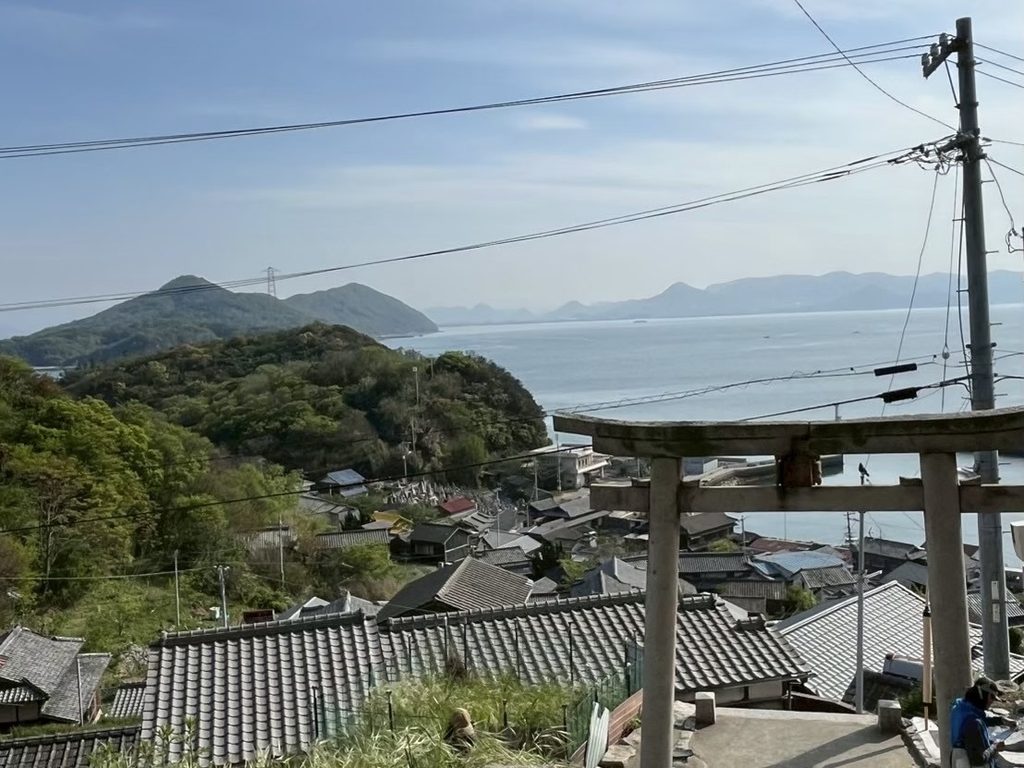
Overview of Japanese Culture
Japanese culture places a strong emphasis on respect, harmony, and consideration for others. Many customs that visitors notice are connected to these values.
For example, trains are usually quiet because people try not to disturb others. Public spaces remain clean because people take responsibility for their own trash. Queues remain organized because everyone respects their turn.
These small actions help daily life run smoothly.
One of the most important Japanese concepts is “wa” (harmony). Maintaining harmony means avoiding behavior that inconveniences other people. Even in crowded cities such as Tokyo and Osaka, visitors are often surprised by how orderly everything feels.
Understanding this idea will help you understand many of Japan’s social rules.
Why Etiquette Matters in Japan
Unlike some countries where rules are openly explained, Japan often relies on unspoken social expectations.
This does not mean visitors need to feel nervous. Instead, observing what local people do is usually the best guide.
If you are unsure about something, simply watching others often provides the answer. Japanese people generally appreciate visitors who make an effort to respect local customs. Even a small effort can create positive interactions during your trip.
Do’s: Good Manners in Japan
Bow When Greeting People
Bowing is one of Japan’s most recognizable customs.
While tourists are not expected to bow perfectly, a small nod of the head is often appreciated.
People bow when:
- Greeting someone
- Saying thank you
- Apologizing
- Showing respect
In many situations, a simple smile and slight bow are enough. You do not need to perform a deep formal bow.
Queue Properly
Japanese people value orderly lines.
You will notice queues almost everywhere:
- Train platforms
- Restaurants
- Bus stops
- Theme parks
People generally wait patiently for their turn. Cutting in line is considered very rude.
At train stations, passengers usually stand in designated areas and allow others to exit before boarding.
Following the queue helps everything move efficiently.
Keep Public Spaces Clean
One thing many visitors notice immediately is how clean Japan is. Interestingly, public trash bins are not very common. Instead, people often carry their trash until they find a proper disposal location.
Helpful habits include:
- Carry a small plastic bag
- Dispose of bottles properly
- Keep wrappers in your bag
- Use designated smoking areas
Keeping public areas clean is considered everyone’s responsibility.
Be Quiet on Public Transportation
Japanese trains are usually quiet.
Many commuters use train time to:
- Read messages
- Read books
- Sleep
- Listen to music
- Speaking softly is appreciated.
- Large group conversations should be kept quiet.
Phone calls are generally discouraged. If your phone rings, many people simply reject the call and return it later.
This is one of the easiest etiquette rules to follow and helps create a comfortable environment for everyone.
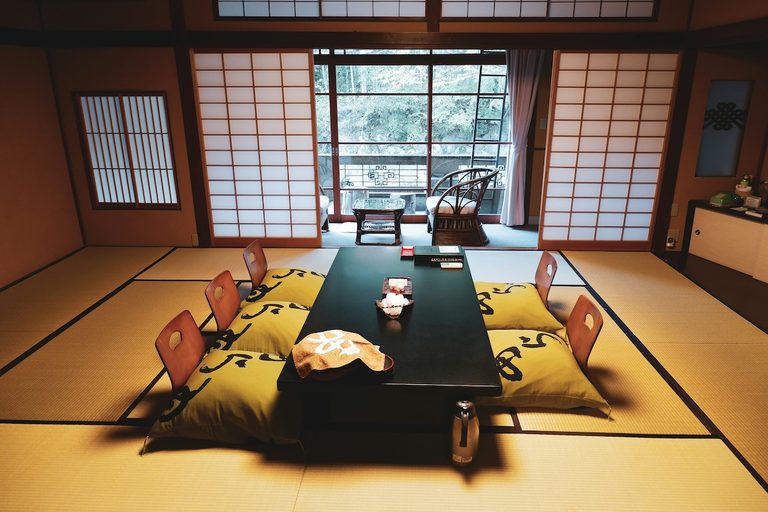
Remove Your Shoes When Required
Many places in Japan require visitors to remove their shoes.
Common examples include:
- Traditional homes
- Ryokan inns
- Some temples
- Traditional restaurants
If you see shoes lined up near an entrance, it is usually a sign that shoes should be removed.
Indoor slippers may be provided. Always check before entering. For many visitors, this becomes one of the most memorable parts of Japanese culture.
Carry Cash
Although cashless payments are becoming more common, cash remains important in Japan. Some smaller businesses may only accept cash.
Examples include:
- Small food stalls
- Temple donation boxes
- Local shops
- Family-run restaurants
Having some Japanese yen available can prevent inconveniences while traveling.
Learn Simple Japanese Phrases
Japanese people do not expect tourists to speak fluent Japanese. However, learning a few words is often appreciated.
Useful phrases:
- こんにちは (Konnichiwa) → Hello
- ありがとうございます (Arigatou Gozaimasu) → Thank you
- すみません (Sumimasen) → Excuse me
- お願いします (Onegaishimasu) → Please
Many visitors find that even basic phrases help create friendly interactions.
Transportation Etiquette
Transportation etiquette is one of the areas where visitors most often notice cultural differences. Japan’s railway network transports millions of passengers every day.
Despite this huge number of travelers, stations and trains remain remarkably organized. Understanding a few basic transportation rules will help you travel comfortably and avoid common mistakes.
Stand on the Correct Side of Escalators
In many parts of Japan, people stand on one side of the escalator and leave the other side open.
However, practices vary by region.
- Tokyo: Stand on the left
- Osaka: Stand on the right
Following local customs helps maintain smooth traffic flow inside busy stations.
Let Passengers Exit First
Before boarding a train, allow passengers to leave first. This simple rule keeps stations efficient and prevents congestion.
You will often notice passengers forming orderly lines beside train doors. Once everyone exits, boarding begins smoothly.
Visitors who follow this practice quickly blend in with local commuters.
Don’ts: Things to Avoid in Japan
Understanding what not to do is just as important as learning good manners. Many actions that are normal in other countries may be considered impolite in Japan.
Fortunately, most mistakes made by tourists are minor and easily avoidable. Learning these common etiquette tips will help you travel more comfortably and respectfully.
Don’t Talk Loudly in Public
Japanese people generally avoid making excessive noise in public places.
This is especially true on:
- Trains
- Buses
- Cafés
- Museums
Many commuters use travel time to rest, study, or relax. Speaking loudly with friends can disturb those around you. When traveling in groups, try to keep conversations at a moderate volume.
You do not need to be completely silent, but speaking quietly is appreciated.

Don’t Eat While Walking
In some countries, eating while walking is common. In Japan, however, people often eat near the shop where they purchased food. This helps keep streets clean and prevents littering.
Popular places such as:
- Nishiki Market (Kyoto)
- Dotonbori (Osaka)
- Asakusa (Tokyo)
may have designated eating areas.
If you buy street food, check whether nearby benches or eating spaces are available.
Don’t Litter
Japan is known for its cleanliness.
Visitors often wonder how streets stay so clean despite having relatively few public trash cans. The answer is simple: People take their garbage home or carry it until they find an appropriate disposal location.
Items commonly separated include:
- Plastic bottles
- Paper
- Burnable waste
- Recyclables
Carrying a small plastic bag during sightseeing can be very helpful.
Don’t Smoke Outside Designated Areas
Many cities have strict smoking regulations. Smoking while walking is prohibited in many areas. Instead, smokers should use designated smoking zones.
These areas can often be found near:
- Stations
- Office buildings
- Shopping centers
Following these rules helps maintain a comfortable environment for everyone.
Don’t Touch Everything in Stores
When shopping in Japan, customers generally handle products carefully and avoid opening packages unless permission is given.
If you want to examine an item closely, ask a staff member. Store employees are usually happy to assist. Respecting merchandise is considered good shopping etiquette.
Temple and Shrine Etiquette
Japan is home to thousands of temples and shrines.
These locations are not only tourist attractions but also important religious sites.
Visitors are welcome, but respectful behavior is expected.
Purify Your Hands at the Entrance
Many shrines have a purification fountain called a “temizuya.”
Before approaching the main shrine area:
Take the ladle
Rinse your left hand
Rinse your right hand
Rinse your mouth lightly
Clean the ladle handle
This ritual symbolizes purification before prayer.
Be Respectful During Prayer
Visitors often observe people praying at shrines.
A common procedure is:
Bow twice
Clap twice
Pray silently
Bow once more
Different shrines may have slightly different customs, but observing others can be helpful. Even if you do not participate, maintaining a respectful attitude is important.
Avoid Loud Behavior
Temples and shrines are places of worship.
Visitors should:
Speak quietly
Silence phones
Avoid running
Avoid disruptive behavior
Many people visit these places for reflection and prayer. A calm atmosphere should be preserved.
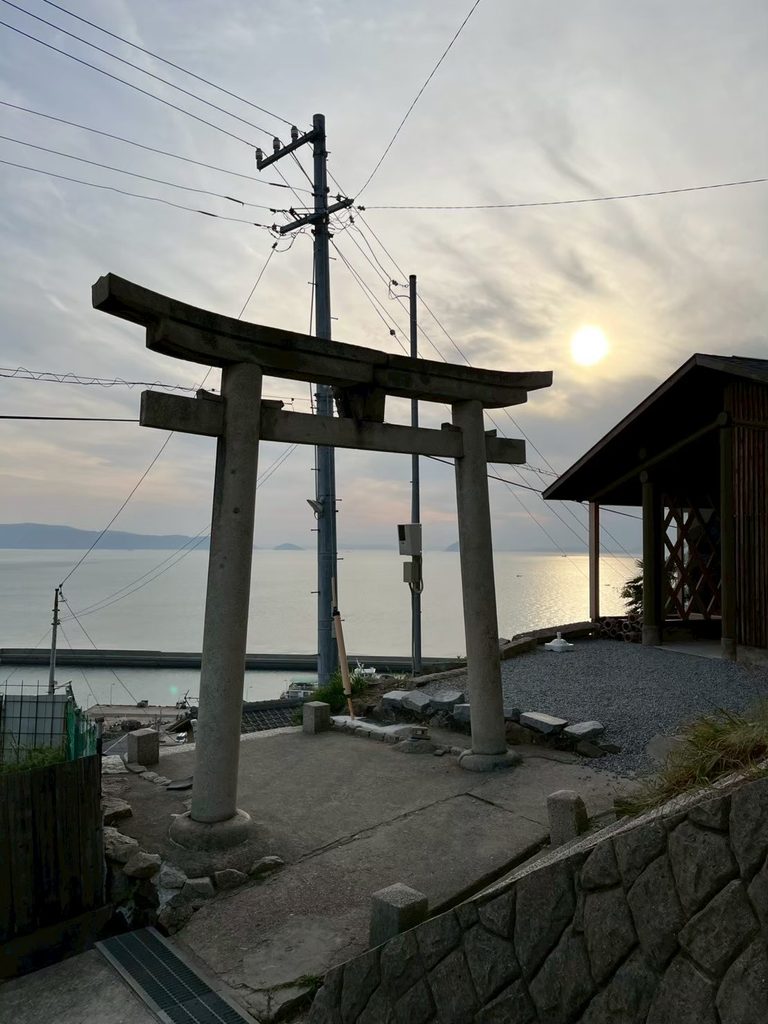
Follow Photography Rules
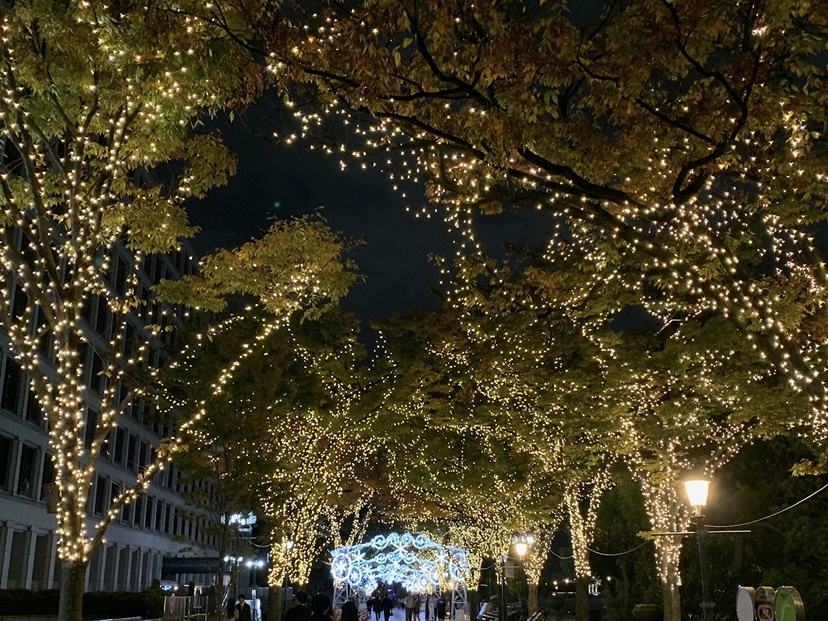
Photography is often allowed outdoors. However, some buildings prohibit photos, usually indicated by signs.
If photography is not permitted, respect the rules and enjoy the experience without taking pictures.
Dining Etiquette in Japan
Food is one of the highlights of visiting Japan. Understanding basic dining manners will make restaurant visits more enjoyable.
Saying “Itadakimasu” Before Eating
Many Japanese people say: “Itadakimasu” before beginning a meal.
The phrase expresses gratitude for the food and everyone involved in preparing it. You are not required to say it, but many visitors enjoy participating in this custom.
Return Dishes Neatly
After finishing a meal, it is considered polite to leave dishes neatly arranged.
Simple actions include:
- Placing chopsticks properly
- Returning bowls to their original position
- Keeping the table reasonably tidy
Small gestures show respect toward restaurant staff.
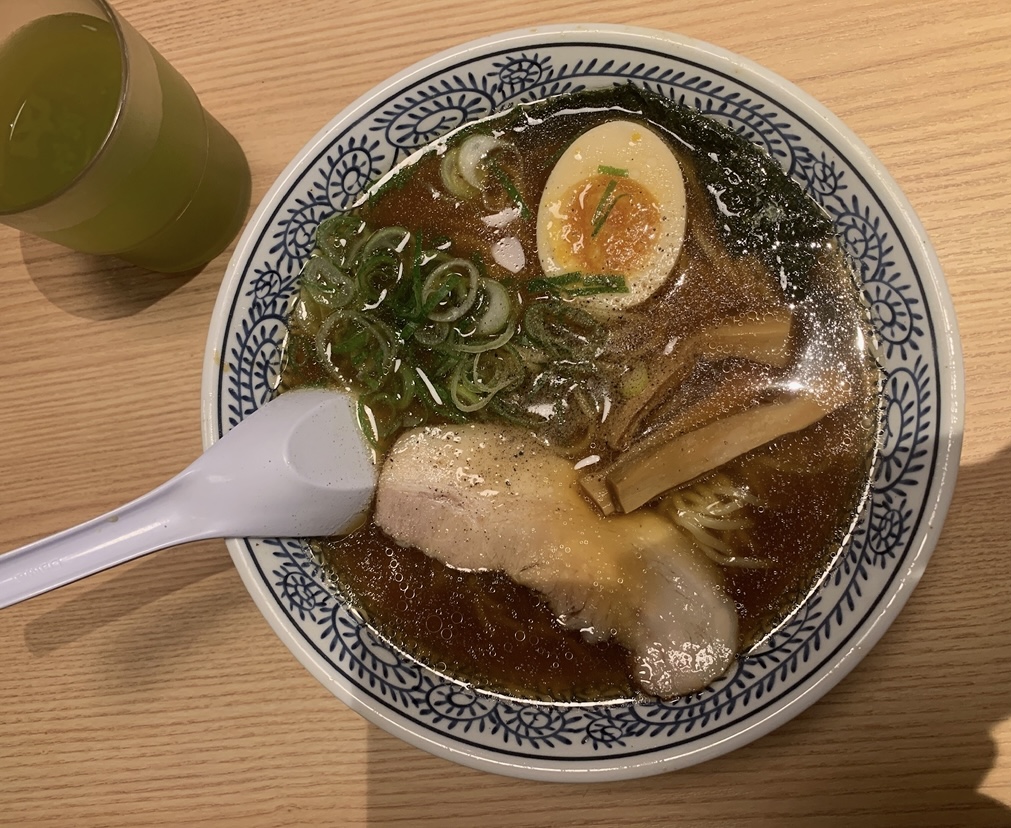
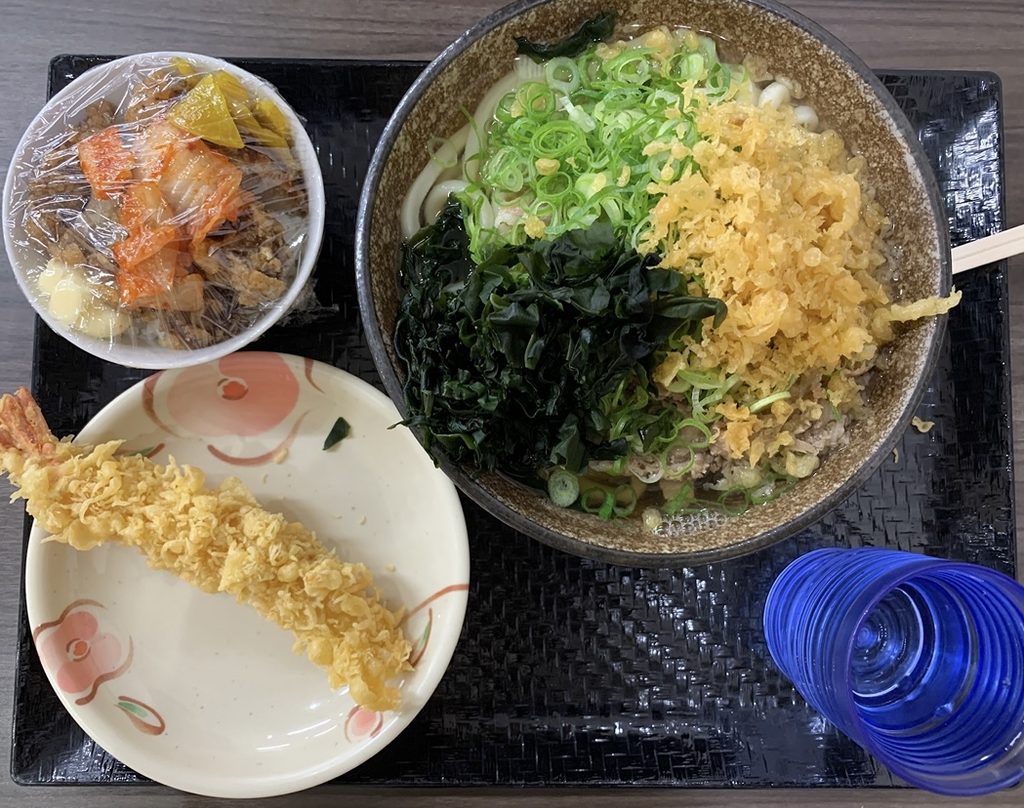
Slurping Noodles Is Usually Acceptable
One etiquette rule that surprises many visitors is noodle slurping.
When eating:
- Ramen
- Udon
- Soba
slurping is generally accepted.
Some people even consider it a sign that the food is enjoyable. However, loud chewing noises are still considered impolite.
Chopstick Etiquette
Using chopsticks properly is an important part of Japanese dining culture. Fortunately, restaurants often provide forks if needed.
A few simple rules can help avoid mistakes.
Avoid Sticking Chopsticks Upright in Rice
This resembles a ritual performed during funerals. Because of this association, it should be avoided.
Don’t Pass Food Between Chopsticks
Passing food directly from one pair of chopsticks to another is also connected to funeral customs. Instead, place food on a small plate if sharing.
Don’t Point With Chopsticks
Using chopsticks to point at people or objects is considered rude. When not using them, place them on the chopstick rest if available.
Paying the Bill
In many countries, splitting bills individually is common.
In Japan, restaurants often prefer one payment per group. Afterward, friends can settle costs separately.
Many restaurants provide the bill at the table before payment. Customers can usually pay at the register near the exit.
Tipping Is Not Required
One of the biggest surprises for visitors is that tipping is generally unnecessary in Japan.
Excellent service is considered standard. Leaving extra money may cause confusion. Simply saying: “Thank you” or “Arigatou Gozaimasu” is enough.
Onsen Etiquette
One of the most unique cultural experiences in Japan is visiting an onsen (hot spring).
Many travelers look forward to relaxing in natural hot springs after a long day of sightseeing.
However, first-time visitors are often unsure about the rules. Fortunately, onsen etiquette is easy once you understand the basics.
Wash Before Entering the Bath
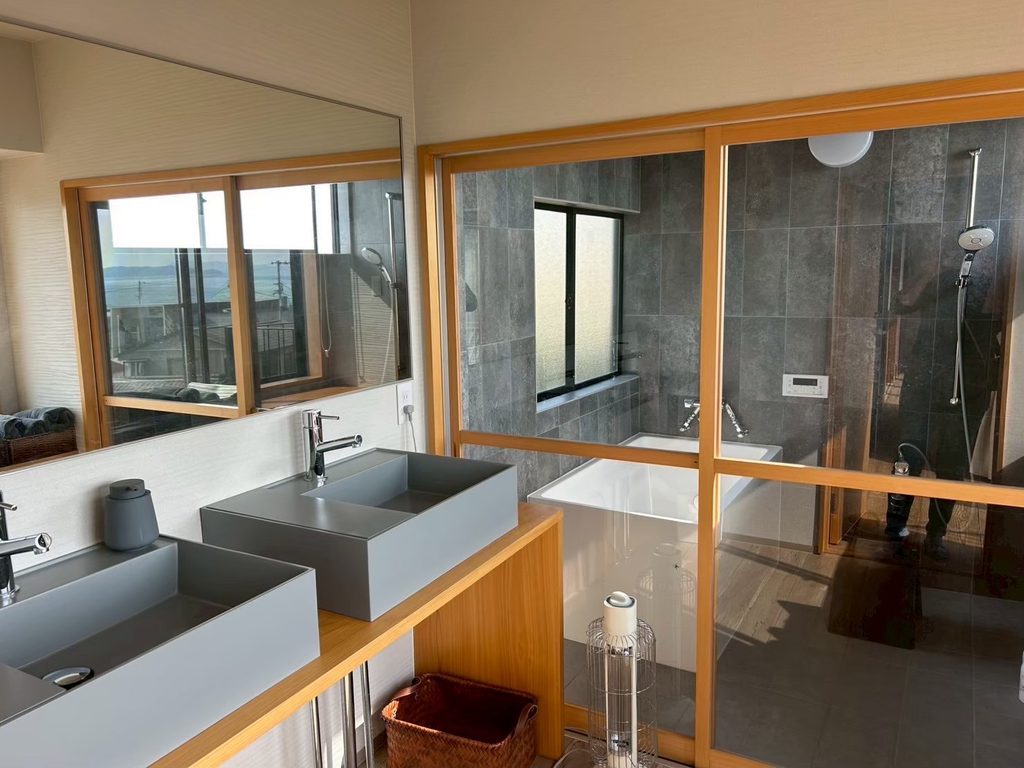
Before entering the hot spring, visitors must thoroughly wash their bodies.
Most onsen provide:
- Shampoo
- Body soap
- Shower facilities
The bathing area is shared with others, so entering clean is considered essential. Take your time and wash properly before soaking in the water.
Do Not Wear Swimsuits
This surprises many visitors.
Traditional Japanese hot springs are usually enjoyed without swimsuits.
Bathing areas are separated by gender.
While it may feel unusual at first, most visitors become comfortable after a few minutes.
Keep Towels Out of the Water
Small towels are commonly provided. However, these towels should not enter the bath water.
Many people:
- Place the towel beside the bath
- Fold it on their head
Keeping the water clean is considered important.
Relax and Enjoy the Experience
Japanese hot springs are meant to be relaxing.
Visitors should:
- Speak quietly
- Avoid using phones
- Avoid splashing
The peaceful atmosphere is part of what makes onsen special.
Hotel and Ryokan Etiquette
Japan offers a wide variety of accommodation options.
In addition to hotels, many visitors enjoy staying at a traditional ryokan. A ryokan provides an opportunity to experience Japanese hospitality and culture.
Respect Quiet Hours
Japanese accommodations are generally quiet.
Guests should avoid:
- Loud conversations
- Loud music
- Slamming doors
Many travelers appreciate the peaceful atmosphere.
Wear Yukata Correctly
Many ryokan provide a yukata, a casual traditional robe.
Guests often wear yukata:
- To the hot spring
- During dinner
- Around the property
The left side should always be wrapped over the right side. This is the normal way to wear a yukata.
Remove Shoes Indoors
Traditional accommodations often require shoes to be removed at the entrance. Slippers may be provided.
Guests should pay attention to signs and follow instructions.
Shopping Etiquette
Shopping in Japan is generally comfortable and convenient. Store employees are often known for excellent customer service. Following a few simple customs helps create a pleasant experience.
Handle Products Carefully
When browsing:
- Touch items gently
- Avoid opening packages
- Ask staff if assistance is needed
Products are generally treated with care.
Use the Cash Tray
Many stores provide a small tray near the register. Instead of handing money directly to the cashier, customers place cash in the tray. The cashier then returns change using the tray as well.
This system helps transactions remain organized.
Wait Patiently for Service
Japanese customer service tends to be polite and efficient. If staff are helping another customer, simply wait your turn. Most stores operate smoothly and quickly.
Gift-Giving Culture in Japan
Gift-giving plays an important role in Japanese culture.
Although tourists are not expected to bring gifts, understanding this tradition can be interesting.
Many Japanese people purchase souvenirs when traveling. These gifts are known as “omiyage.”
What Is Omiyage?
Omiyage are souvenirs brought back for:
- Family
- Friends
- Coworkers
Rather than buying something for yourself, many people purchase local specialties to share with others. This reflects the importance of gratitude and consideration.
Presentation Matters
Japanese gifts are often beautifully packaged. The appearance of the gift is considered almost as important as the gift itself. Many souvenir shops offer elegant wrapping.
Common Tourist Mistakes
Most visitors have a wonderful experience in Japan.
However, a few mistakes are common among first-time travelers. Learning about them beforehand can help avoid awkward situations.
Blocking Walkways
Busy stations can become extremely crowded.
Avoid:
- Stopping suddenly
- Taking photos in narrow walkways
- Standing in large groups
Moving to the side before stopping helps everyone.
Ignoring Train Priority Seats
Priority seats are reserved for:
- Elderly passengers
- Pregnant women
- People with disabilities
- Those who need assistance
Even if seats appear empty, travelers should remain aware of their purpose.
Speaking Too Loudly
Many visitors become excited while sightseeing. However, keeping voices at a moderate level is appreciated in:
- Trains
- Temples
- Hotels
- Cafés
A little awareness goes a long way.
Useful Travel Tips for First-Time Visitors
Japan is one of the safest countries in the world, making it an excellent destination for travelers. Still, a few practical tips can make your trip even smoother.
Carry a Small Towel
Public restrooms sometimes do not provide paper towels. Many Japanese people carry a small hand towel.
Have a Portable Charger
Visitors frequently use:
- Google Maps
- Train apps
- Cameras
A portable charger can be very useful.
Learn Basic Station Signs
Understanding a few common signs can make travel easier:
- Restroom
- Exit
- Platform
- Ticket Gate
Most major stations also provide English guidance.
Be Observant
One of the best etiquette tips is simple: Watch what local people do.
If you are unsure about a situation, observing others often provides the answer.
Why Visitors Love Japanese Culture
Many travelers arrive in Japan expecting beautiful scenery and delicious food. However, what often leaves the strongest impression is the behavior of the people.
Visitors frequently mention:
- Politeness
- Cleanliness
- Efficiency
- Respectfulness
These qualities help create a comfortable environment for both residents and tourists. Learning local customs allows travelers to appreciate Japan on a deeper level.
Summary
Japan is a fascinating destination where traditional culture and modern life exist side by side. Although Japanese etiquette may seem complicated at first, most customs are based on simple principles:
- Respect others
- Keep public spaces clean
- Avoid disturbing people around you
- Show consideration and gratitude
By following basic etiquette such as staying quiet on trains, respecting temple rules, removing shoes when required, and understanding dining customs, visitors can enjoy smoother and more meaningful travel experiences.
Whether you are exploring Tokyo’s busy streets, visiting Kyoto’s historic temples, relaxing in an onsen, or riding the Shinkansen across the country, understanding Japanese manners will help you feel more confident throughout your journey.
The most important thing to remember is that Japanese people generally appreciate visitors who make an effort to respect local customs. You do not need to be perfect—simply being polite and considerate goes a long way.
By learning these etiquette tips before your trip, you will be better prepared to enjoy everything Japan has to offer while creating positive interactions and unforgettable memories along the way.
Enjoy your trip to Japan and experience its amazing culture with confidence!