Introduction
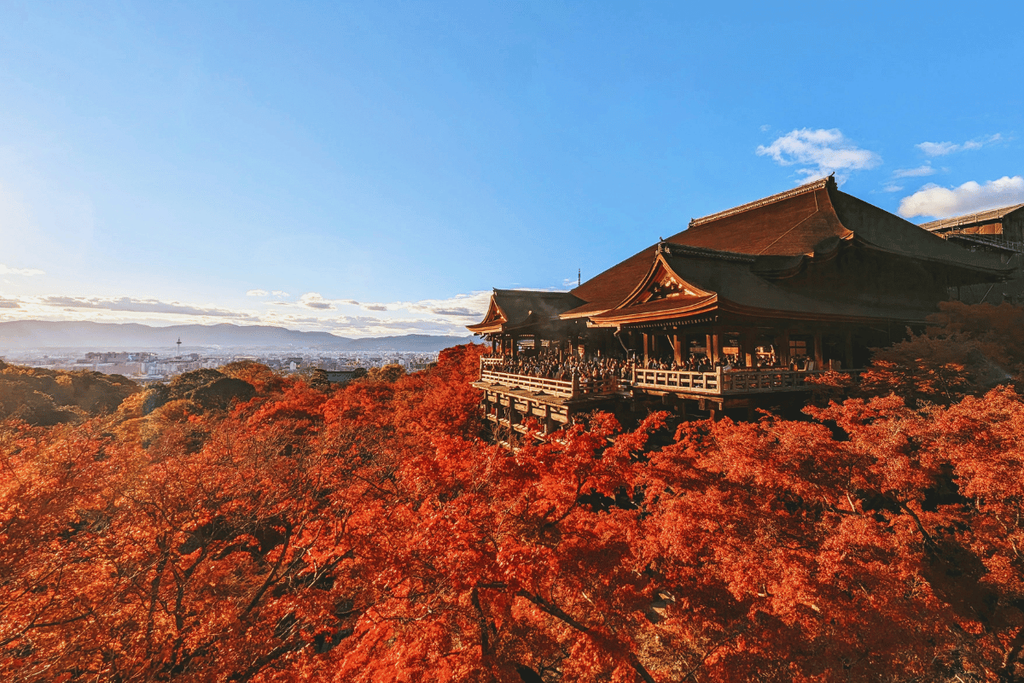
Photo: Unsplash
Autumn is a beautiful season in many parts of the world. Travelers flock to destinations across North America, Europe, and Asia to see forests transformed by shades of red, orange, and gold. Whether it is the maple-covered mountains of Canada or the colorful countryside of Germany, fall foliage has a universal appeal that attracts nature lovers year after year. Yet many travelers who visit Japan during autumn often come away feeling that the experience is somehow different. The colors may be spectacular, but there is also something deeper that makes Japan’s autumn season stand out.
In Japan, autumn leaves are known as koyo, and they are celebrated with a level of enthusiasm that rivals the country’s famous cherry blossom season. The arrival of autumn colors is closely followed through foliage forecasts, seasonal events, and travel plans that revolve around peak viewing periods. Visitors quickly discover that autumn in Japan is not simply about looking at colorful trees. It is about experiencing a season that has been appreciated and celebrated for centuries. This connection between nature and culture is one of the key reasons why Japan’s autumn leaves leave such a lasting impression.
From historic temples surrounded by fiery maple trees to carefully designed gardens that showcase seasonal beauty, Japan offers an autumn experience that feels uniquely its own. The landscapes are stunning, but it is the combination of scenery, tradition, and atmosphere that truly sets the country apart. Understanding these elements helps explain why Japan has become one of the world’s most sought-after destinations for autumn travel.
Why Autumn in Japan Feels Different
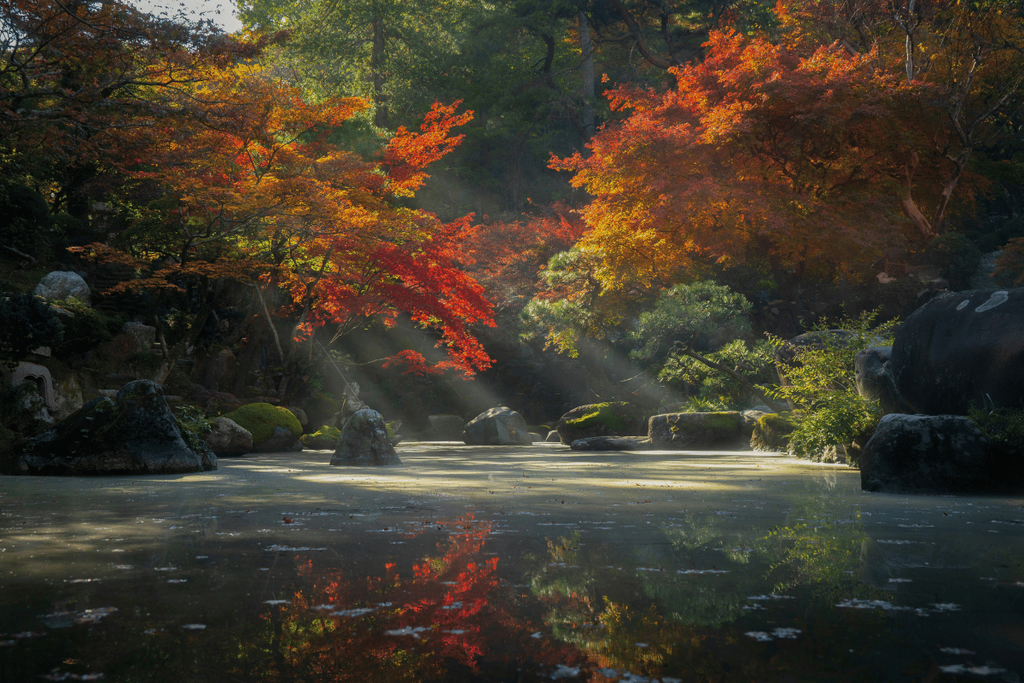
Photo: Unsplash
Many countries have beautiful fall foliage, so what makes Japan stand out? The answer is not simply the number of colorful trees or the intensity of the colors. Instead, it is the way autumn is experienced throughout the country. Seasonal change is deeply embedded in Japanese culture, and that mindset shapes everything from travel habits to local festivals and food traditions. As a result, autumn feels like a shared national experience rather than just a scenic backdrop.
Visitors often notice that people actively make time to enjoy the season. Parks fill with families taking walks beneath colorful leaves, photographers gather before sunrise to capture perfect conditions, and travelers plan entire trips around autumn foliage forecasts. This widespread appreciation creates an atmosphere that feels different from destinations where fall colors are admired but not necessarily celebrated as a cultural event. The excitement surrounding the season becomes part of the experience itself.
There is also a strong sense of seasonality throughout daily life in Japan. Restaurants introduce autumn-inspired dishes, stores display seasonal products, and traditional sweets reflect the colors and ingredients of the season. Rather than being limited to forests or national parks, autumn becomes visible almost everywhere. This creates an immersive experience that extends far beyond the landscape.
A Culture Built Around Seasonal Beauty
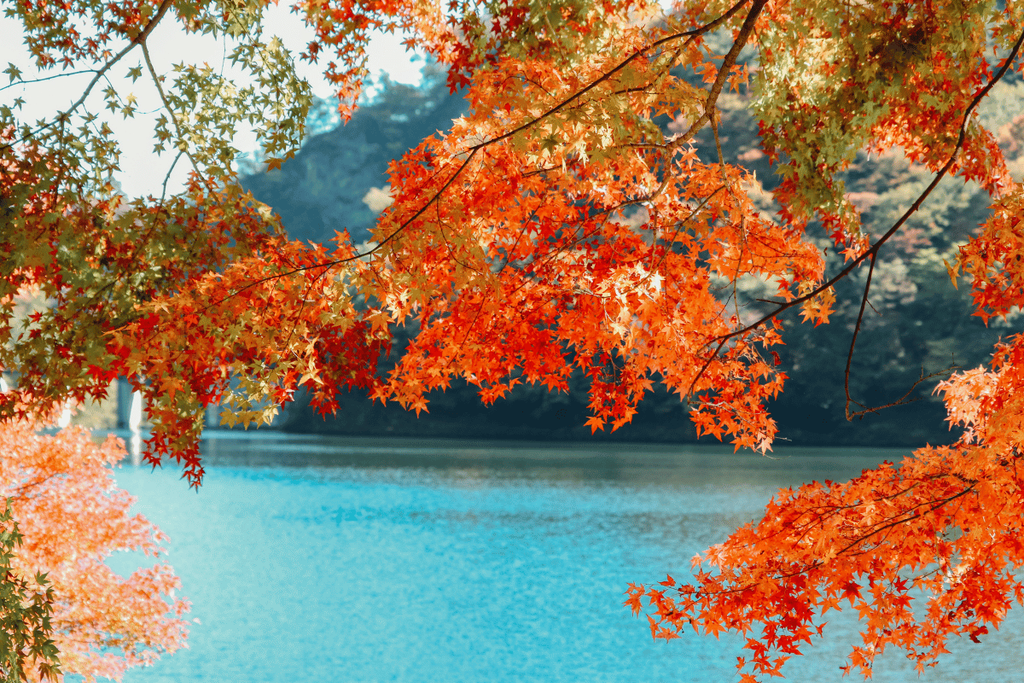
Photo: Unsplash
Japan’s appreciation for seasonal change has deep historical roots. For centuries, poets, artists, and writers have celebrated the beauty of nature and the changing seasons. The idea that beauty is temporary and should be appreciated while it lasts remains an important part of Japanese culture today. Autumn leaves perfectly reflect this philosophy because their peak colors only last for a relatively short period before disappearing.
One tradition that highlights this cultural connection is momijigari, often translated as “maple leaf viewing.” Similar to cherry blossom viewing in spring, people travel to scenic locations to admire autumn foliage. This custom dates back hundreds of years and continues to be popular across the country. While the activity itself may seem simple, it reflects a broader appreciation for nature that has been passed down through generations.
The cultural significance of autumn can also be seen in Japanese art and literature. Seasonal references appear frequently in traditional poetry, paintings, and stories. Autumn leaves are often used to symbolize change, reflection, and the passage of time. Because of this cultural background, viewing autumn foliage in Japan often feels like participating in a tradition rather than simply sightseeing.
Historic Temples and Gardens Enhance the Experience
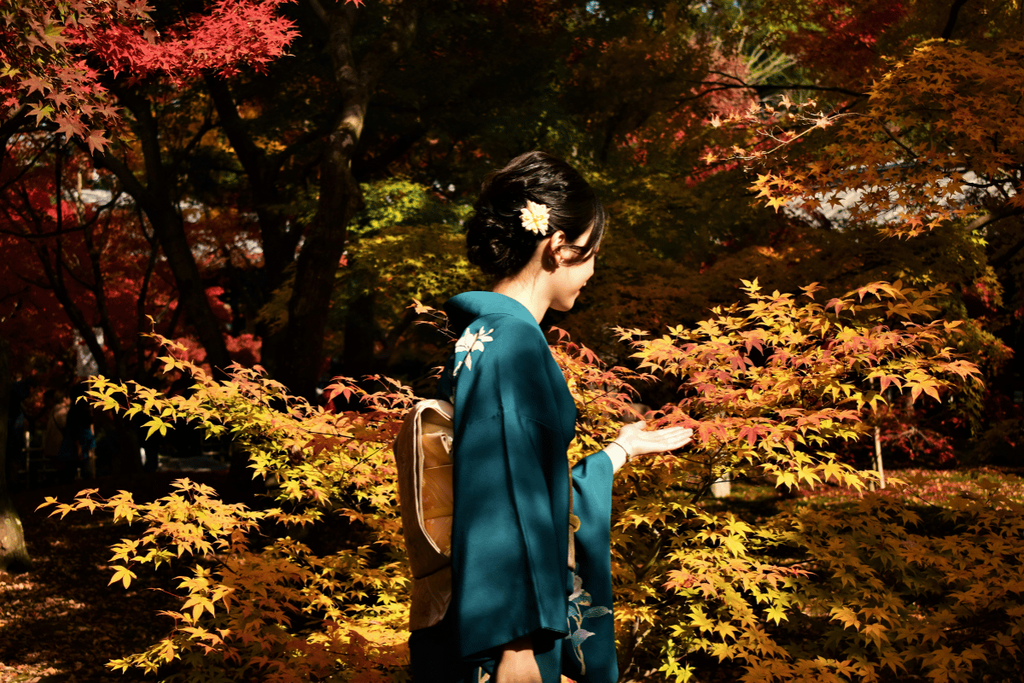
Photo: Unsplash
One of the most recognizable features of autumn in Japan is the combination of colorful foliage and historic architecture. Across the country, centuries-old temples and shrines are surrounded by maple trees that turn brilliant shades of red and orange. These settings create scenes that are instantly recognizable and difficult to replicate elsewhere in the world. The contrast between traditional wooden buildings and vibrant autumn colors gives many locations a timeless atmosphere.
Kyoto is perhaps the most famous example. During autumn, temple grounds become some of the country’s most popular viewing spots as visitors gather to admire the seasonal scenery. Walking through these historic sites allows travelers to experience both natural beauty and cultural heritage at the same time. Even people who have seen impressive fall foliage elsewhere often find that the setting changes the experience entirely.
Japanese gardens add another layer to this appeal. Unlike natural forests, many gardens are carefully designed to highlight seasonal beauty from specific viewpoints. Trees are positioned to create reflections in ponds, frame pathways, or draw attention to architectural features. As a result, autumn colors often feel more intentional and immersive. Rather than simply observing nature, visitors become part of a carefully composed landscape.
Autumn Beyond the Famous Tourist Spots
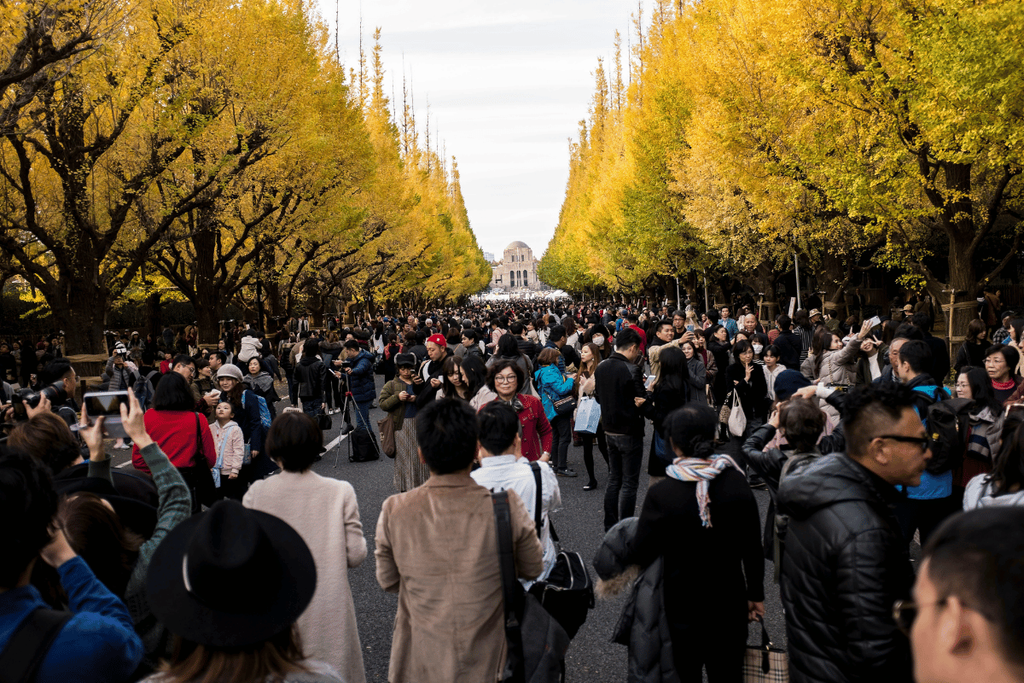
Photo: Unsplash
While Kyoto often receives the most attention, one of Japan’s greatest strengths as an autumn destination is the variety of experiences available throughout the country. Travelers can enjoy colorful scenery in mountains, cities, rural villages, and coastal regions. This diversity allows visitors to choose the type of autumn experience that best matches their interests and travel style.
Mountain areas offer dramatic landscapes where entire valleys transform into shades of red, yellow, and orange. Scenic hiking trails and ropeways provide opportunities to appreciate autumn from above, revealing vast stretches of colorful forest. In contrast, urban destinations offer a more relaxed experience where autumn colors can be enjoyed in parks, gardens, and historic neighborhoods without leaving the city.
Japan’s geography also extends the autumn season considerably. Because the country stretches across multiple climate zones, foliage appears at different times depending on the region. Northern areas typically see colors first, while southern regions reach their peak much later. This means travelers have a wider window to experience autumn compared with destinations where the season is concentrated into only a few weeks.
Seasonal Food and Traditions
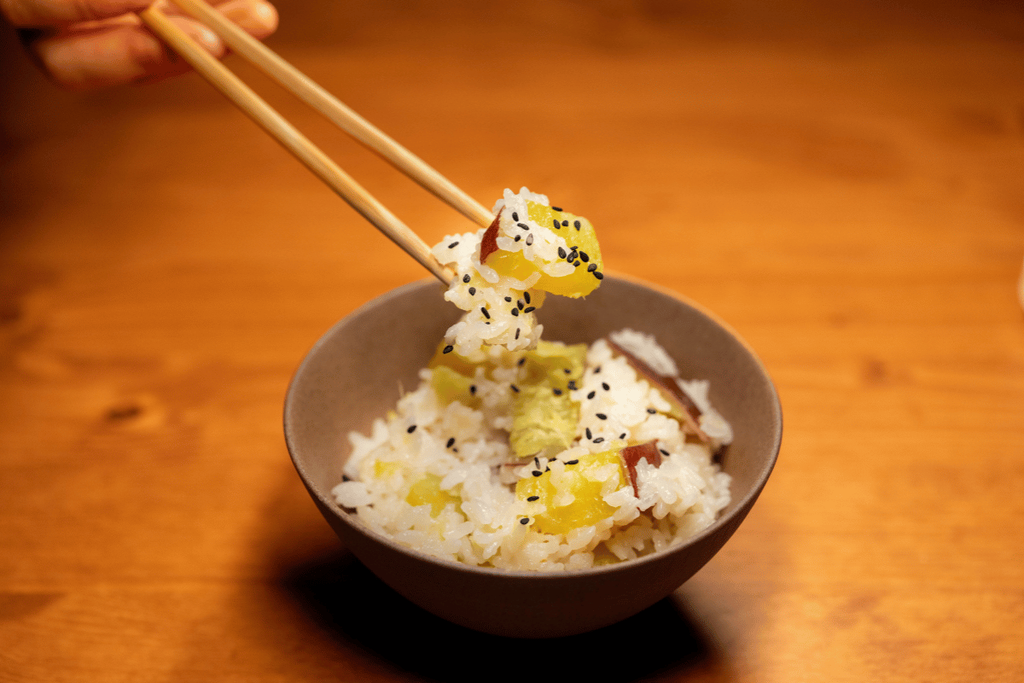
Photo: Pexels
Another aspect that distinguishes autumn in Japan is the strong connection between the season and food. Seasonal ingredients play an important role in Japanese cuisine, and autumn is often considered one of the most rewarding times of year for food lovers. Restaurants, cafes, and markets embrace the season by showcasing ingredients that are closely associated with fall.
Sweet potatoes, chestnuts, mushrooms, persimmons, and seasonal seafood frequently appear on autumn menus. Limited-time desserts and drinks become popular throughout the country, and many travelers enjoy discovering seasonal specialties while exploring different regions. These culinary experiences help create a stronger connection between the landscape and local culture.
Seasonal events also contribute to the atmosphere. Autumn festivals, special temple illuminations, and evening garden openings provide opportunities to experience the season in different ways. Nighttime illuminations are particularly popular because they transform familiar landscapes into completely different scenes. Seeing brightly lit maple trees reflected in a pond often feels just as memorable as viewing them during the day.
Why Travelers Keep Coming Back for Koyo
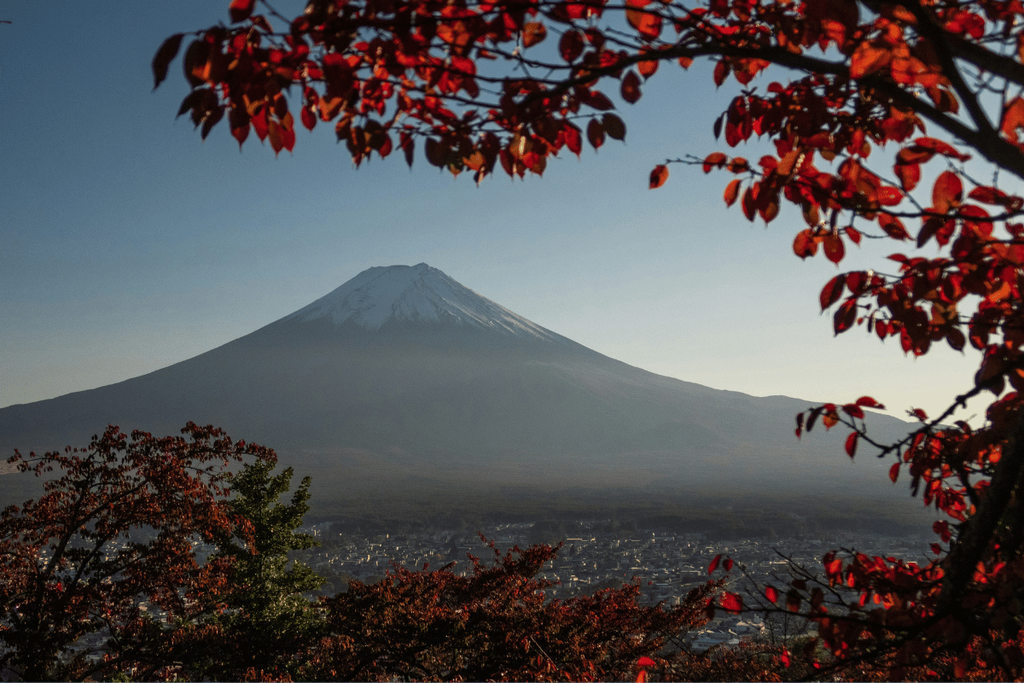
Photo: Unsplash
Many visitors initially travel to Japan in autumn because they want to see the famous foliage. However, what often surprises them is how much more the season offers beyond the scenery itself. The experience combines nature, history, culture, food, and tradition in a way that feels remarkably complete. Rather than focusing on a single attraction, travelers find themselves enjoying a collection of experiences that all connect to the season.
Autumn also offers a comfortable environment for sightseeing. Temperatures are generally mild, humidity is lower than in summer, and outdoor activities become more enjoyable. Whether they are exploring historic districts, hiking in the mountains, or visiting gardens, many travelers find autumn to be one of the most pleasant times to experience Japan. The seasonal atmosphere enhances these activities without overwhelming them.
For repeat visitors, no two autumn trips are exactly the same. Different regions reach peak colors at different times, weather conditions influence the scenery, and each destination offers its own unique character. This variety encourages travelers to return again and again, discovering new places and perspectives each year.
Summary
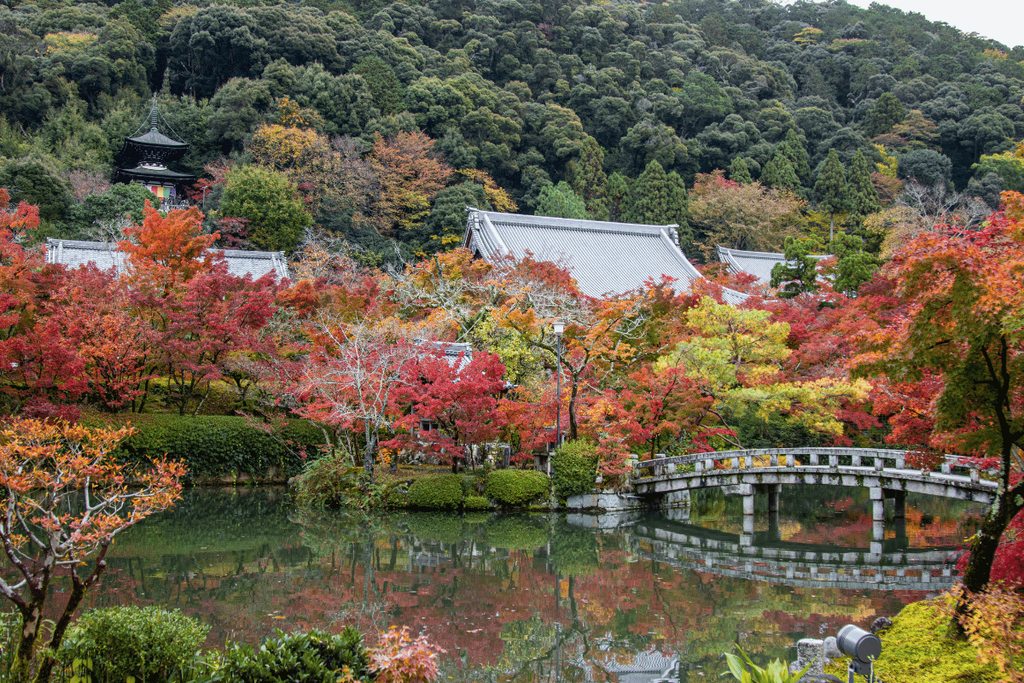
Photo: Unsplash
Japan’s autumn leaves are beautiful, but stunning scenery alone does not explain their global reputation. What truly sets Japan apart is the way autumn is woven into everyday life, cultural traditions, historic landscapes, and seasonal experiences. The colors themselves are impressive, yet they become even more meaningful when viewed through the lens of Japan’s long-standing appreciation for seasonal change.
From temple gardens glowing with red maples to seasonal foods that celebrate the harvest, autumn in Japan offers much more than a collection of picturesque views. It is an opportunity to experience a season that has inspired artists, travelers, and local communities for centuries. Every element works together to create an atmosphere that feels distinctively Japanese.
For travelers looking to experience one of the country’s most memorable seasons, autumn remains an exceptional time to visit. The combination of natural beauty, cultural depth, and seasonal traditions helps explain why Japan’s koyo continues to captivate visitors from around the world year after year.
Before setting off, it’s worth making sure you have a reliable internet connection for checking autumn foliage forecasts, navigating between viewing spots, and finding seasonal events during your trip. A Japan eSIM can be a convenient way to stay connected from the moment you arrive, helping you make the most of Japan’s unforgettable autumn season.
Wishing you an unforgettable autumn trip in Japan.