Photo:Pexels
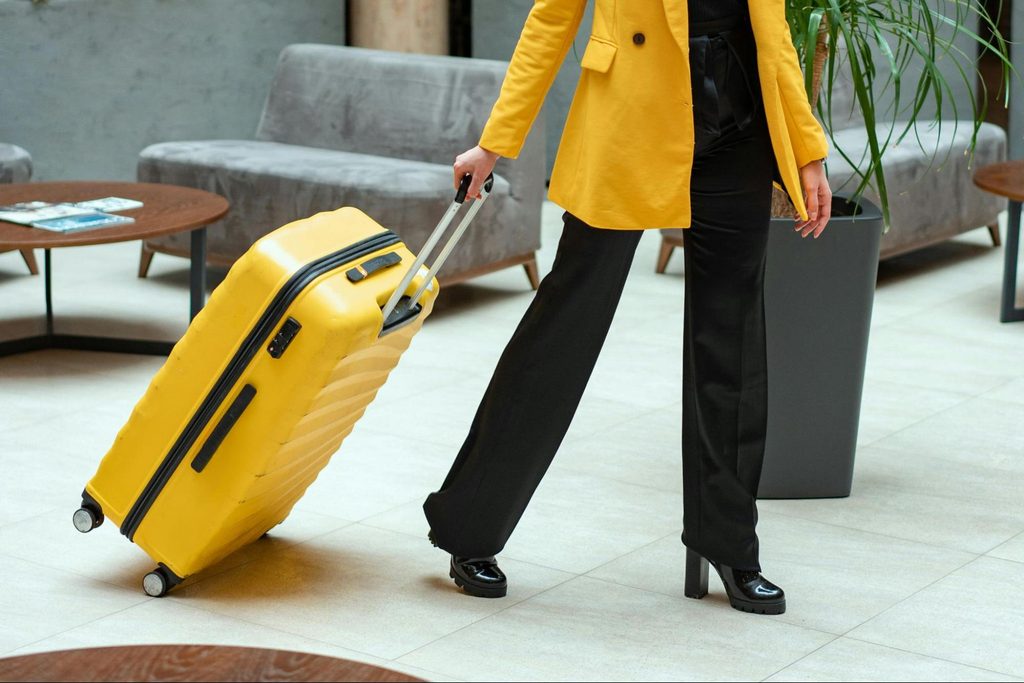
Carrying a full-size suitcase through a busy Japanese train station is one of those things that sounds manageable until you are actually doing it.
The escalator is on the other side of the platform. The exit you need is down several flights of stairs. The platform is already crowded. If you have ever stood inside a station like Shinjuku, Tokyo Station, or Kyoto Station with a heavy suitcase, you know how quickly a simple transfer turns into something exhausting.
Luggage forwarding — called takkyubin in Japanese — exists precisely for this situation. You send your bag ahead to your next hotel, travel light for a day or two, and pick it up when you arrive. The system is reliable, widely available, and used regularly by both tourists and Japanese travelers.
This guide covers how luggage forwarding works in Japan, where to send and receive bags, how to fit it into a Tokyo–Kyoto–Osaka itinerary, and what to watch out for along the way.
In this guide, you will find:
- how the forwarding system works and where to drop off your bags
- delivery timing between Tokyo, Kyoto, and Osaka
- a practical route example that you can adapt to your needs
- tips that make the process smoother on travel days
You will probably check hotel addresses, delivery cut-off times, station exits, and train routes on your phone more than once. A Japan eSIM from getjapanesim.com keeps you connected from the moment you land, without searching for public WiFi inside large stations.
What Is Luggage Forwarding in Japan?
Luggage forwarding (takkyubin) is a door-to-door delivery service that moves your suitcase from one address to another — usually between hotels, or from a hotel to an airport.
You drop off the bag, receive a tracking receipt, and in many cases the luggage arrives at your destination the next day. For short distances like Kyoto to Osaka, same-day delivery is sometimes available if you put in a request early enough.
The service is run primarily by two carriers:
- Yamato Transport (black cat logo) — the most widely recognized
- Sagawa Express — available at many hotels and convenience stores
Drop-off points are easy to find:
- Hotel front desks
- Convenience stores (7-Eleven, FamilyMart, Lawson)
- Airport service counters
- Some major train station counters
You do not need to speak Japanese. The forms usually include basic English sections, and hotel staff and convenience store clerks are used to helping foreign visitors through the process.
Delivery schedules may change during holidays, peak seasons, or weather disruptions. Confirm timing directly when you drop off luggage.
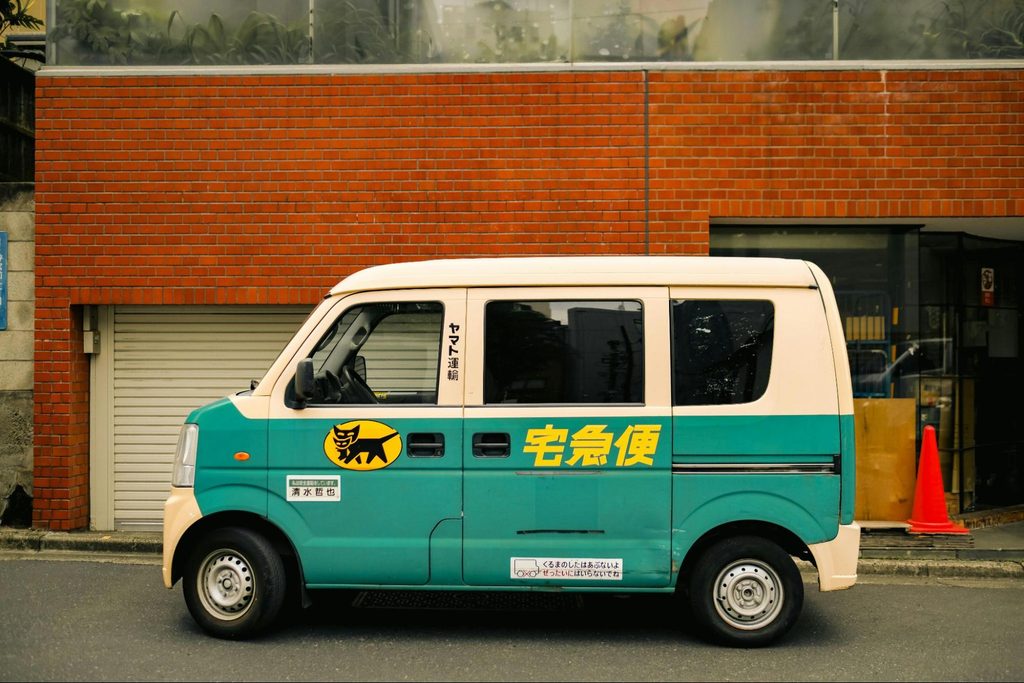
Photo:Pexels
Why This Changes the Trip More Than You Expect
Many travelers expect the difficult part to be on the trains.In practice, the harder parts are usually everything around the trains.
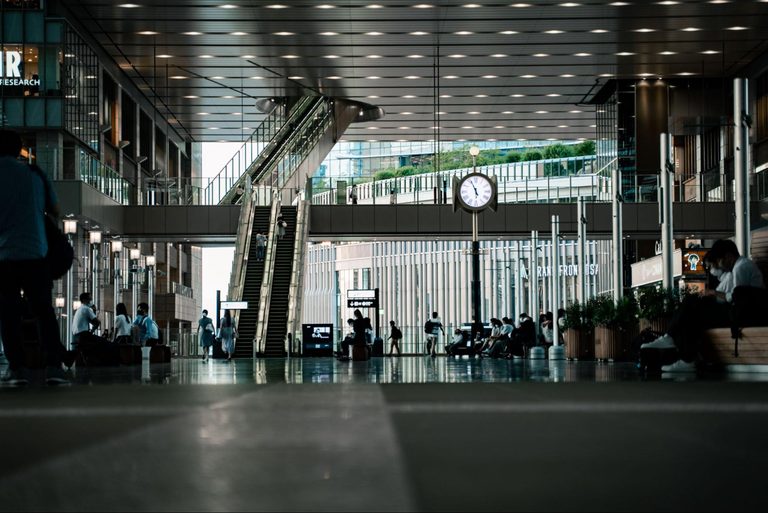
Japan’s major stations often include long underground corridors, multiple escalators, transfer gates between different railway companies, and exits that look close on a map but are actually a significant walk apart.
The station may look simple on Google Maps, but the exit matters. A wrong exit at Tokyo Station or Osaka Station can easily add another 10 to 15 minutes of walking — and that distance feels very different when you are pulling a suitcase.
Kyoto creates a different kind of challenge. The city rewards slow movement. Areas like Higashiyama, Gion, and the streets around Kiyomizudera include slopes, narrow sidewalks, and stone pavements that do not cooperate with wheeled luggage. Without bags, those same streets become genuinely enjoyable — quiet side alleys, small temple entrances, riverside walking paths, local cafés hidden away from the main road. With a suitcase, you are mostly watching for obstacles.
Osaka is more compact and easier to navigate, but even there, a full evening in Dotonbori or Namba feels different when you are not managing bags alongside dinner and crowds.
The trip genuinely changes once luggage stops being part of every decision.
Delivery Timing Between Major Cities
Tokyo ⇄ Kyoto / Osaka – Next Day Delivery
Drop your bag at the hotel desk on the morning of checkout, or the evening before, and it typically arrives at your Kyoto or Osaka hotel the following day. Your travel day — Shinkansen, sightseeing, check-in — happens with just a daypack.
Cut-off times vary by hotel, usually somewhere between 10:00 and 12:00. Confirm the evening before. Do not assume it is the same at every property.
Kyoto ⇄ Osaka — Same-Day Delivery in Many Cases
Because these cities are close, same-day delivery is available at many locations if you drop off early — often before 10:00 or 11:00. Your bag can reach the Osaka hotel by early evening while you spend the afternoon already exploring the city.
This service is not available everywhere, so confirm timing when you drop off luggage.
Airport → Hotel or Hotel → Airport
One of the most practical uses of this service. Arriving at Narita or Haneda with heavy bags and wanting to sightsee before check-in? Send luggage ahead from the airport counter. On your final day, forward bags to the airport before departure and travel light to the terminal.
Typical timing:
- Airport to city hotel: usually next-day delivery
- Hotel to airport: allow at least one to two days
Schedules during peak periods may differ. Confirm timing directly with the hotel or service counter.
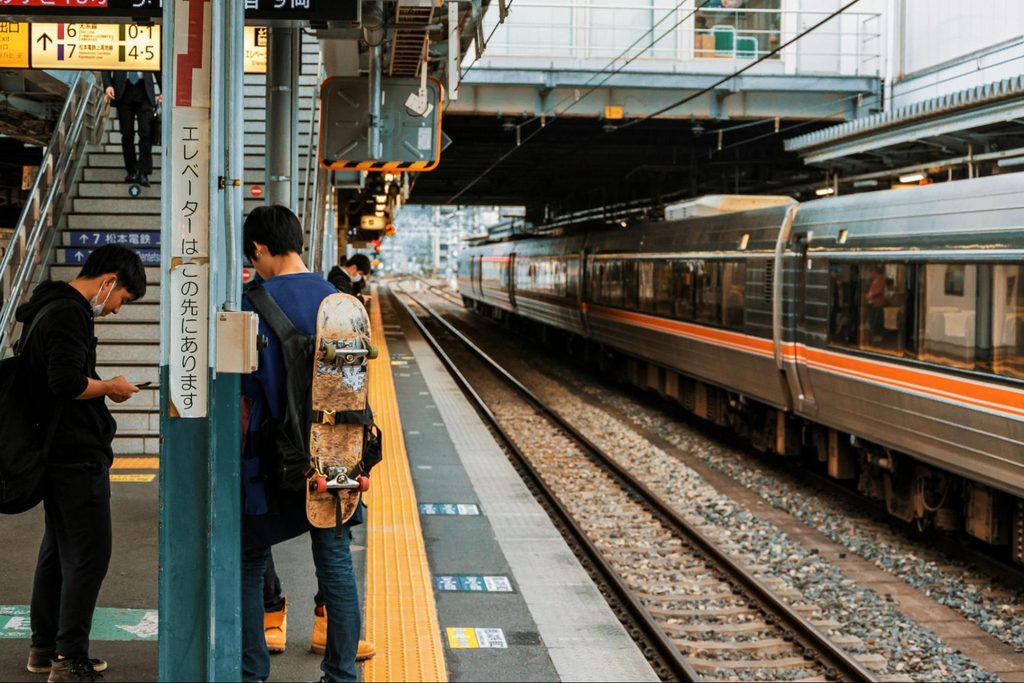
Photo:Unsplash
How to Use the Service: Step by Step
Step 1: Get the Destination Address in Japanese
You need the full hotel address in Japanese — not only the hotel name. Most hotels will print this on a small card if requested, or it appears on your booking confirmation. Save a screenshot before checkout.
Step 2: Find a Drop-Off Point
The front desk at your current hotel is usually the easiest option. If that is not available, the nearest convenience store often works. Either way, earlier in the morning gives you more time to sort out any questions and leaves room to adjust if the cut-off is earlier than expected.
Step 3: Fill Out the Delivery Slip
The form asks for your name, a contact number, the destination address, bag size category, and preferred delivery date. Staff can usually help if anything is unclear. If you do not have a Japanese phone number yet, the hotel front desk number is a practical substitute — just note it from your booking confirmation before you check out.
Step 4: Pay and Keep the Receipt
The receipt includes a tracking number. Yamato’s website and app include English tracking support, which is useful to confirm if your bag has arrived before you.
Step 5: Travel Light
Keep your passport, valuables, medications, chargers, and one day’s essentials with you. Everything else goes in the forwarded bag. Do not place anything irreplaceable inside forwarded luggage.
Where to Drop Off: Tokyo, Kyoto, and Osaka
Tokyo
Most hotels in central Tokyo — Shinjuku, Shibuya, Ginza, Asakusa — offer forwarding directly at the front desk. Convenience stores are the fallback. In most Tokyo neighborhoods, you will find a 7-Eleven or FamilyMart within a short walk.
Narita Airport and Haneda Airport both have forwarding counters near arrivals. If you want to send luggage directly to your hotel and begin sightseeing immediately, these counters are useful on arrival day.
One thing worth knowing: Tokyo’s hotel-to-station walk is not always short. A ten-minute walk with luggage during August humidity feels very different from the same route with only a backpack. Forwarding the suitcase ahead and moving lightly often makes more sense than it first appears on paper.
This is especially true in areas like Asakusa or Shinjuku, where the streets between hotel and station are often busier and less straightforward than the map suggests.
Kyoto
Hotel desks near Kyoto Station, Gion, and Kawaramachi handle forwarding regularly.
Kyoto Station also has coin lockers and temporary storage if you only need to leave a bag for several hours while visiting a nearby temple or market. These lockers fill quickly during busy seasons — especially during cherry blossom and autumn foliage periods. Forwarding luggage ahead is usually more reliable than depending on locker availability.
If you are spending the day in Arashiyama or around Nishiki Market before moving to Osaka, sending luggage from your Kyoto hotel in the morning and picking it up at your Osaka hotel in the evening is one of the easiest ways to use the system.
Osaka
Hotels in Namba, Shinsaibashi, and Umeda regularly handle forwarding. The city is compact enough that convenience stores are usually nearby.
If you are flying home from Kansai International Airport, forwarding luggage from your Osaka hotel before your final day lets you spend your last evening in Dotonbori without managing a large suitcase. That final evening often feels noticeably better without the logistics.
KIX also has forwarding and luggage storage counters inside the airport. If you arrive at KIX and want to head straight into the city without dragging a large suitcase onto the train, sending it ahead from the airport counter is worth the extra few minutes at arrivals.
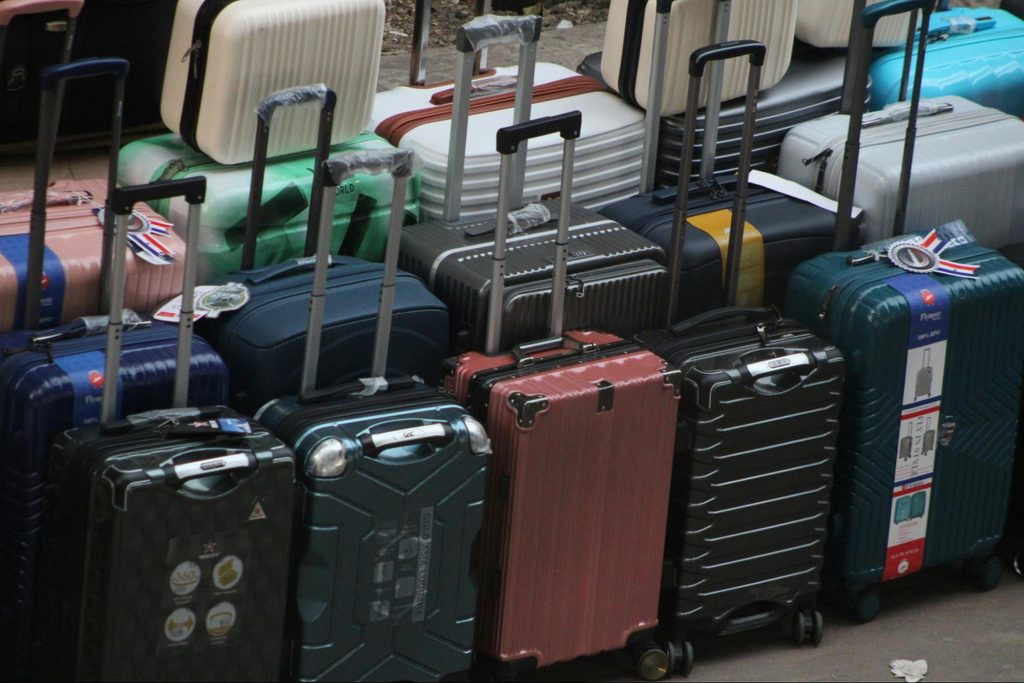
Photo:Pexels
A Practical Route: Tokyo → Kyoto → Osaka
Here is how forwarding fits naturally into a common Japan itinerary.
Night Before Leaving Tokyo : Drop your suitcase at the hotel desk. Confirm the delivery cut-off time and provide the Kyoto hotel address. Pay during drop-off.
Morning in Tokyo : Check out carrying only a backpack or small bag. Head to Tokyo Station and board the Shinkansen without worrying about overhead compartment space, crowded platforms, or luggage storage.
Arriving in Kyoto : Have lunch near Kyoto Station and visit a nearby area before check-in. Without large bags, it becomes much easier to stop for photos, walk through side streets, and visit temples at your own pace. The area around Toji Temple or the Kyoto Station building itself is walkable and gives you something to do in the gap between arrival and check-in time, without the pressure of managing your luggage at the same time.
In Kyoto : When moving to Osaka, drop your luggage at the Kyoto hotel desk again. Same process.
Osaka : Check-in light and spend the evening freely. If flying home from Kansai International Airport, forward luggage from the Osaka hotel to the airport before departure day.
The total forwarding cost across this route is usually reasonable when taking into account the convenience it adds. Confirm pricing directly at each drop-off point, as rates vary depending on luggage size and distance.

Travel Tips
Confirm cut-off times the evening before — not the morning of. If the luggage deadline is 10:00 and you ask at 9:50, your options narrow quickly.
Pack a smaller bag for transit days. Keep one change of clothes, your documents, chargers, medications, and basic toiletries with you. Everything else goes in the forwarded suitcase. You do not need to pack minimally — just separately.
Do not forward valuables. Passports, cash, medications, electronics, and anything irreplaceable should always stay with you. The service is reliable, but this is standard travel practice.
Give yourself buffer time before flights. For airport forwarding, two days ahead feels more comfortable than one. One day works in many cases, but holidays and peak travel periods can affect timing.
Convenience stores are a reliable backup. If your hotel does not offer forwarding, nearby convenience stores often can. Cut-off times vary by location, so ask at the counter before planning your day around it.
Use the tracking number. The receipt includes a tracking number you can check online through Yamato’s English-language tracking page. This becomes useful when you want to confirm if your luggage has already arrived at the next hotel before you check in.
Coin lockers fill up quickly. During busy seasons, lockers at Tokyo Station, Kyoto Station, and Osaka Station are often full by mid-morning. Do not plan your entire day around finding an available locker. Forwarding ahead removes that uncertainty completely. It also means you are not checking locker sizes against your bag dimensions on a crowded platform. If you are unsure whether your bag qualifies as oversized, the general rule is that bags exceeding 160cm in total dimensions (length plus width plus height) fall into the oversized category on some services.
Oversized luggage and the Shinkansen. Some Shinkansen services require reservations for oversized luggage placed in the rear storage area. Forwarding large suitcases ahead avoids this issue and usually makes the train ride more comfortable.
Keep mobile data ready. You will probably check maps, delivery status, station exits, and train routes several times during the days you use forwarding services. Public WiFi inside stations is not always stable. Stay connected in Japan with an eSIM — get mobile data before your trip so you can check maps, train routes, and opening hours while you travel: getjapanesim.com
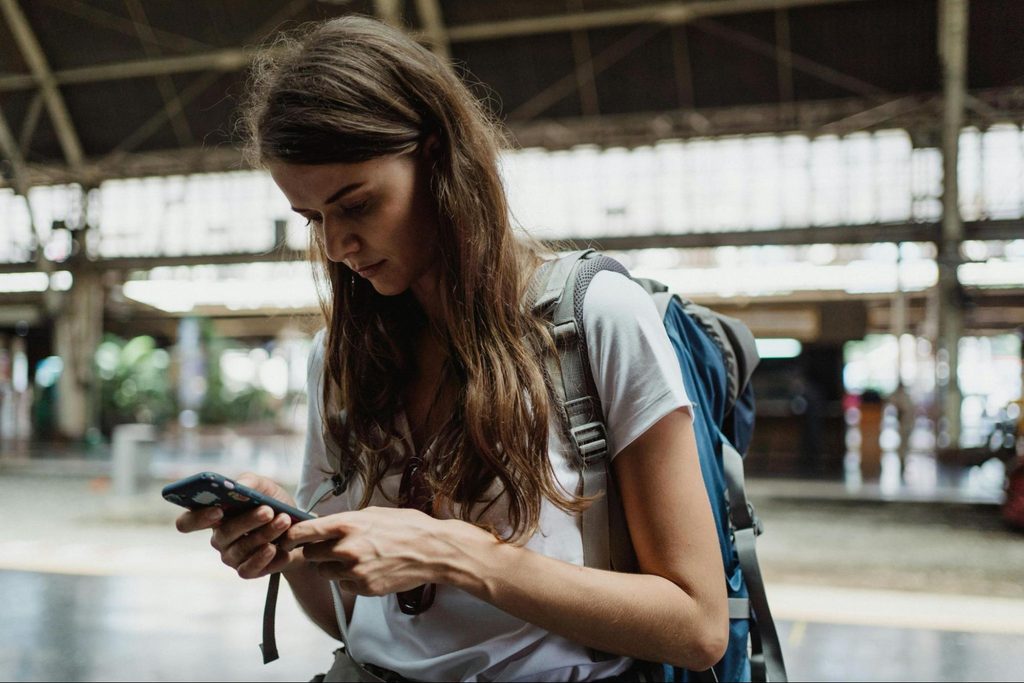
Photo:Pexels
Access
From Tokyo Station
The Tokaido Shinkansen connects Tokyo with Kyoto and Shin-Osaka. Approximate travel times:
- Tokyo → Kyoto: around 2 hours 15 minutes, depending on train type
- Tokyo → Shin-Osaka: around 2 hours 30 minutes, depending on train type
Travel times vary by train category and transfer conditions.
Check train schedules and routes on the JR Central official website.
From Kyoto Station
JR Special Rapid trains connect Kyoto and Osaka in around 30 minutes. The Shinkansen is faster but significantly more expensive for this short distance, so the rapid train is usually the more practical option. Kyoto Station guide : Japan National Tourism Organization
From Kansai International Airport (KIX)
- JR Haruka — direct to Kyoto and Shin-Osaka
- Nankai Airport Express / Rapi:t — direct to Namba
If your hotel is near Namba or Shinsaibashi, the Nankai route often feels simpler. The fastest route is not always the most comfortable one. If you have luggage, fewer transfers and less crowded trains often feel better than saving ten minutes. Kansai International Airport : Train Access Guide
From Narita / Haneda Airport
Both airports have forwarding counters near arrivals. Staff are familiar with foreign visitors and can usually help guide you through the form. If you want to sightsee before hotel check-in, these counters are worth using on arrival day.
Travel times and service availability may change depending on the season and operating conditions. Always confirm on your travel day.
Before moving between cities, checking the station layout once usually saves more time than travelers expect. A wrong exit at a large station can mean an unexpected ten-minute walk. Knowing the exit number in advance costs nothing.
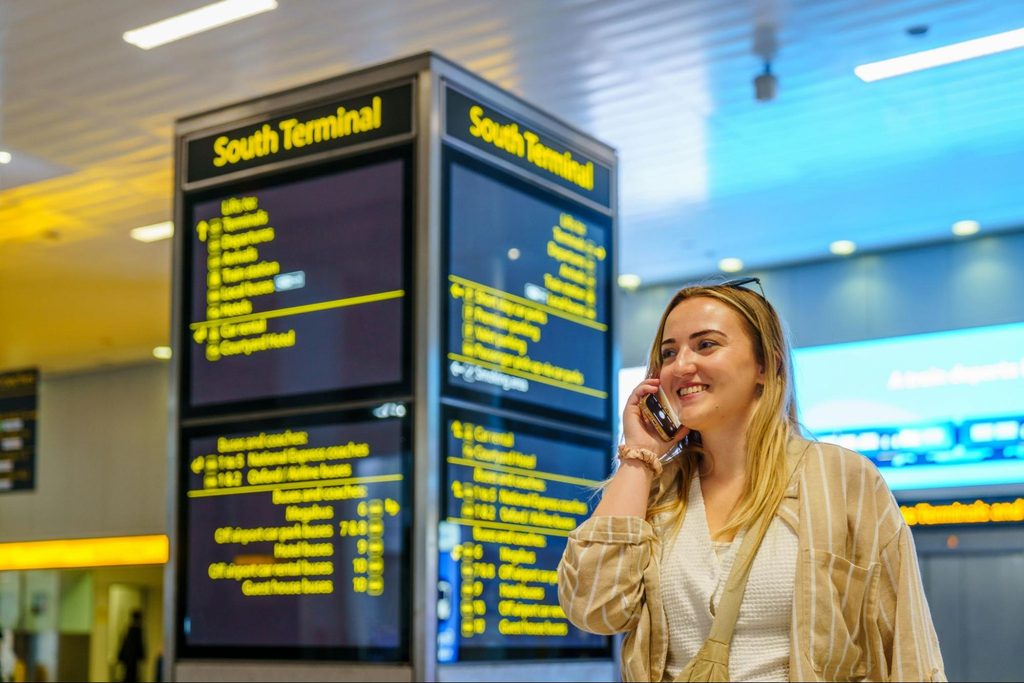
Photo:Unsplash
Stay Connected While You Travel
On days you use luggage forwarding, you will check hotel addresses, delivery tracking, and train times more than once. Public WiFi is not always available while you are between stations or walking through a neighborhood.
Stay connected in Japan with an eSIM. Get mobile data before your trip, so you can check maps, train routes, and delivery status while you travel. getjapanesim.com