Introduction
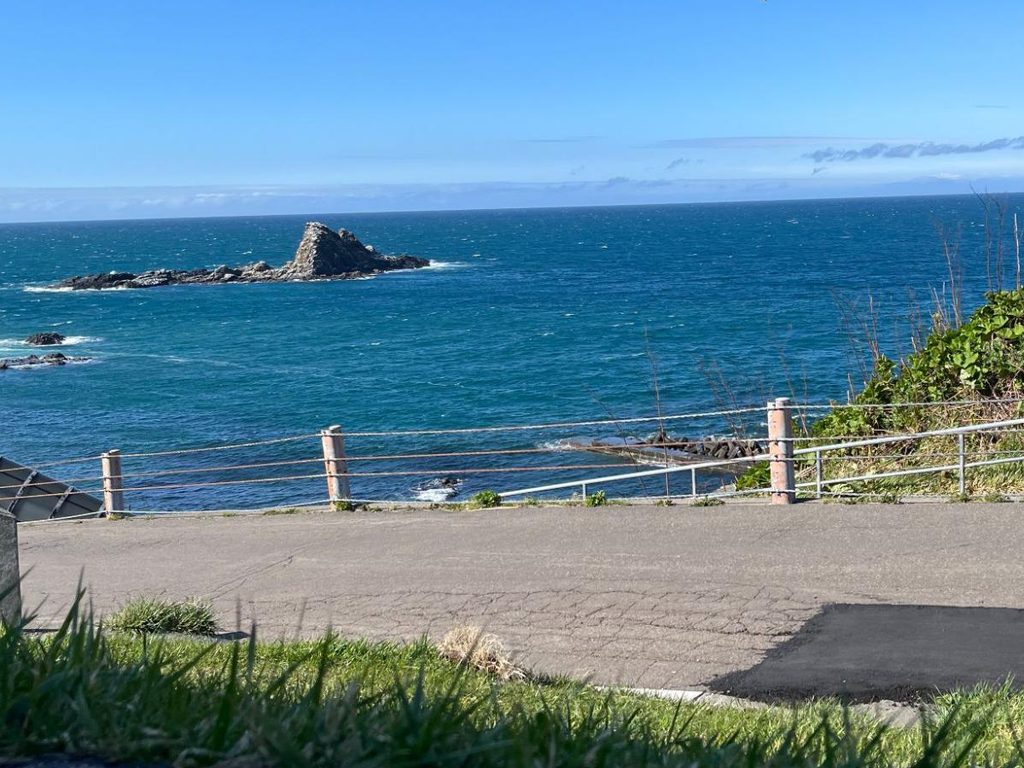
Otaru, a port city just west of Sapporo, built its fortune on shipping and herring fishing in the late 19th and early 20th centuries, and much of that history is still visible today. Stone warehouses line a gently curving canal, two very different shrines sit within a short walk or drive of the station, and a compact seafood market has been feeding travelers fresh off the train since the years right after the Second World War. Add in an aquarium built directly into a rocky natural bay, and Otaru offers a full day of history, food, and coastal scenery.
In this article, you will learn:
- The history behind Otaru Canal and its gas lamps
- The stories of Ryugu Shrine and Otaru Sumiyoshi Shrine
- Where to eat the freshest seafood at Sankaku Market
- Why Otaru Aquarium’s open-air sea lion area stands out
- How to get to Otaru from Sapporo and New Chitose Airport
Since shrine festival dates, market shop hours, and aquarium seasons all shift throughout the year in Otaru, an eSIM is worth having at the ready to check current schedules while moving between sights.
Overview of Otaru
Otaru rose to prominence as Hokkaido’s main shipping gateway during the island’s period of rapid development in the late 1800s. Cargo unloaded from ships anchored offshore needed a more efficient route into the city, and the 1923 canal built to solve that problem, still defines the city’s waterfront today. Because it was formed by reclaiming land along the shoreline rather than digging inland, the canal curves gently rather than running in a straight line, a detail that gives it much of its distinctive character.
In the early 20th century, Otaru’s economy also grew around fishing, particularly herring, when it briefly made the city one of Hokkaido’s wealthiest. That herring-driven prosperity funded many of the stone and brick buildings still standing today, and though the fishery declined by the mid-1900s, the architecture it left behind continues to define much of the city’s character.
Otaru’s identity as a port city also shaped its religious life. Ryugu Shrine, founded by the Hokkaido colonization figure Enomoto Takeaki, and Otaru Sumiyoshi Shrine, dedicated to the deities of safe voyage and the sea, both reflect a city that has long depended on the water for its livelihood.
Key Features
- A historic canal lined with stone warehouses and gas lamps
- Ryugu Shrine, founded by a key figure in Hokkaide’s development
- Otaru Sumiyoshi Shrine, the city’s guardian shrine for sailors and residents alike
- Sankaku Market, a compact seafood market steps away from the station
- Otaru Aquarium, built directly into a natural rocky bay
Following the Second World War, the canal lost its original purpose as modernized port facilities took over cargo handling, and the waterway sat neglected for decades. A lengthy preservation debate through the 1970s and 1980s eventually led to a compromise: half of the canal’s width became a road, while the remainder was preserved as a walking path lined with 63 gas lamps and framed by the original stone warehouses, many of which now operate as restaurants and cafés.
Otaru’s shrines tell a quieter, more personal side of the city’s history. Ryugu Shrine sits on a hillside reached by a slope and stairway past Sankaku Market, less visited than the city’s main sightseeing routes despite being only a short walk from the station. Otaru Sumiyoshi Shrine, by contrast, is considered the city’s general guardian shrine, with a history stretching back to 1868 and a prominent role in local festivals held throughout the year.
Best Things to Do in Otaru
Otaru rewards visitors who mix its well-known canal scenery with a couple of quieter shrine visits and a stop at its famous seafood market.
Stroll the Historic Otaru Canal
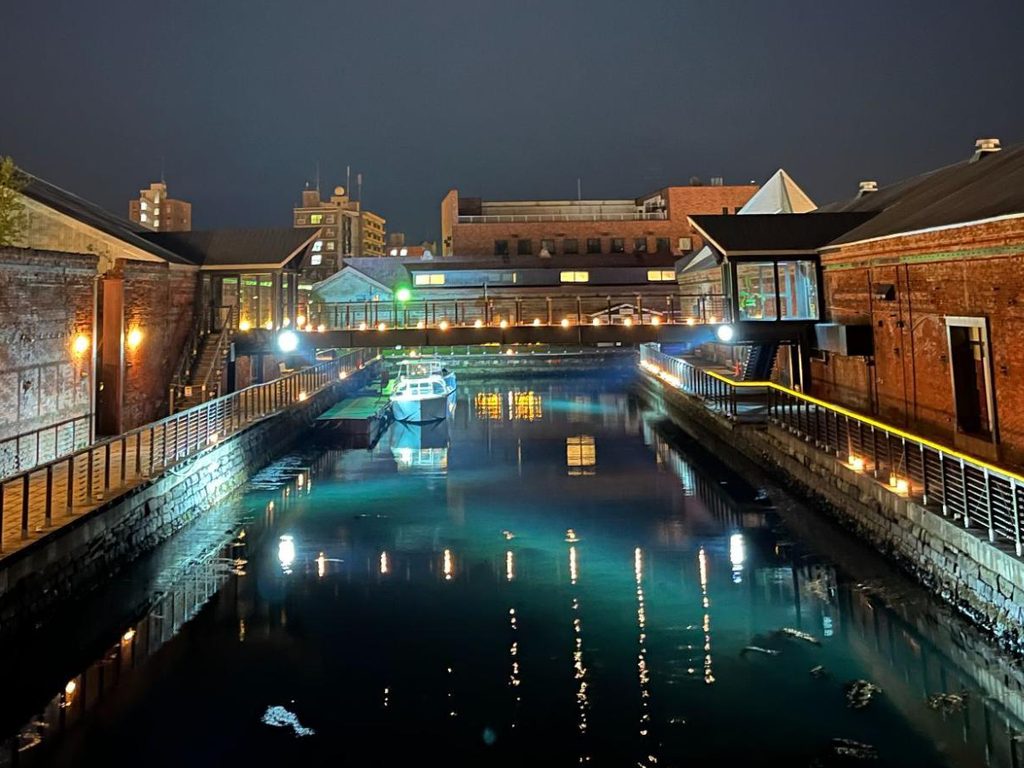
Otaru Canal runs for 1,140 meters along the waterfront, lined on both sides by stone warehouses built during the city’s years as a major shipping port. Completed in 1923, the canal’s gentle curve reflects how it was built, by reclaiming a strip of the shoreline rather than digging a straight channel inland.
After the war, the canal fell out of use and grew neglected for years before a long preservation campaign led to its restoration in 1986. Today, the walking path along the water is lined with 63 gas lamps, lit each evening from sunset until midnight, with warehouse lighting continuing until around 10:30 p.m. The result has made the canal one of Japan’s recognized night view destinations, and a walk here after dark, with the water reflecting both the lamps and the old brick buildings, feels distinctly different from the same route in daylight.
Highlights
- A 1,140-meter canal lined with historic stone warehouses
- 63 gas lamps lit nightly along the walking path
- Recognized as one of Japan’s notable night view spots
- Former warehouses now reused as restaurants and cafés
Details
- Time required: 45–60 minutes for a relaxed walk
- Admission: free
- Gas lamp hours: sunset to 24:00 (18:00 to 24:00 from June to August); warehouse lighting until around 22:30
- Access: about a 10-minute walk from JR Otaru Station
Visit Ryugu Shrine and Its Golden Statue
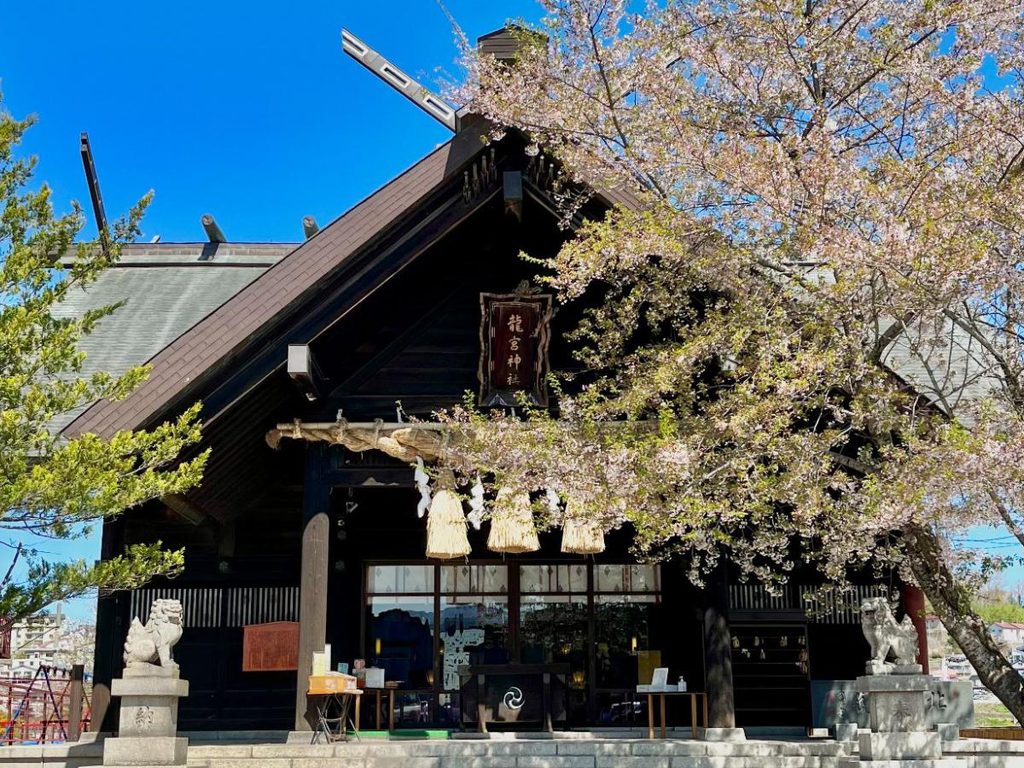
Ryugu Shrine was founded by Enomoto Takeaki, a central figure in Hokkaido’s colonization-era development. To this day, a golden statue of Enomoto stands on the grounds, accompanied by a plaque describing his life and his contributions to Hokkaido’s early growth. The shrine also displays Japanese calligraphy, written in his own hand, at the front of the main hall.
To reach the shrine, visitors walk from Otaru Station past Sankaku Market toward the Yoichi direction, passing through a torii gate before climbing a slope and a short stairway to the shrine itself. Because the route runs in a different direction from the city’s main tourist areas, the shrine sees relatively few visitors, making it a quiet stop even during busier travel seasons. The shrine marks its 150th anniversary in 2026, and its annual festival in late June, held alongside a rare public display of a ceremonial sword forged from meteorite iron, ranks among Otaru’s three major festivals.
Highlights
- A shrine founded by Enomoto Takeaki, with his handwritten calligraphy on display
- A golden statue commemorating Enomoto’s life and legacy
- A quiet, less-visited alternative to Otaru’s main sightseeing routes
- An annual festival featuring a ceremonial meteorite-iron sword
Details
- Time required: 20–30 minutes, including the walk up from the base of the hill
- Access: about 10–15 minutes on foot from JR Otaru Station, past Sankaku Market toward Yoichi
- Notes: the approach involves a slope and stairs, so comfortable footwear is recommended
Explore Otaru Sumiyoshi Shrine
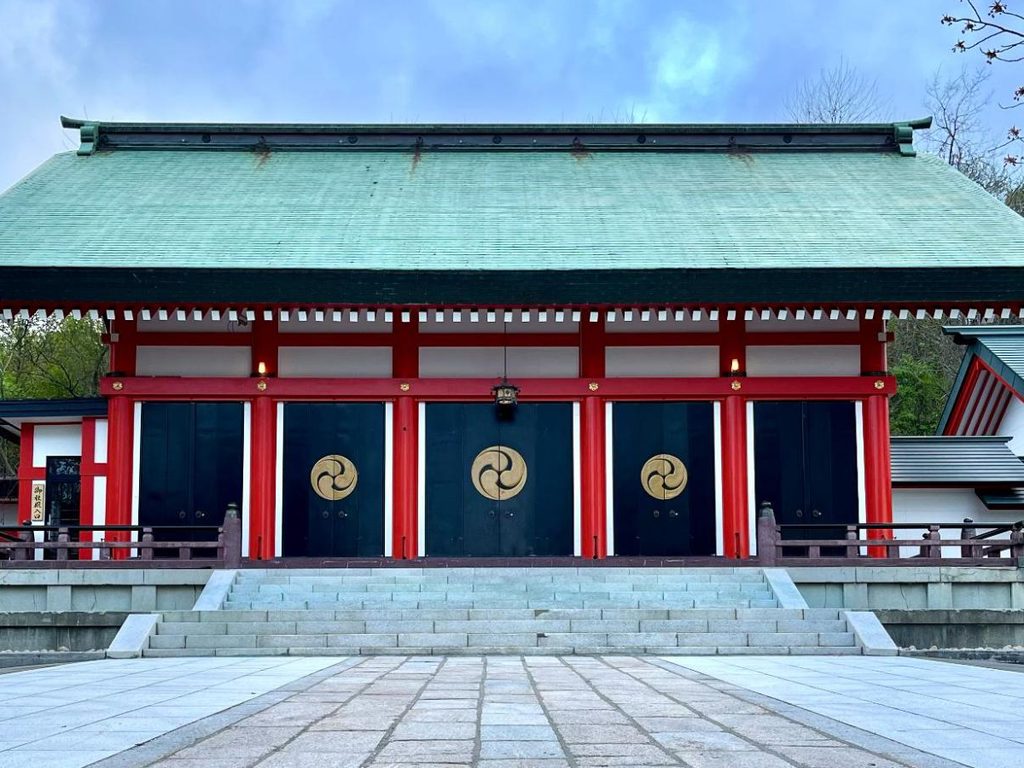
Otaru Sumiyoshi Shrine holds the role of the city’s general guardian shrine, with roots going back to 1868 and a main hall built at its current site in 1881. The shrine enshrines the three Sumiyoshi deities alongside Okinagatarashihime, gods traditionally associated with the sea, safe voyage, and safe childbirth, a fitting set of deities for a city built on maritime trade.
A gentle, tree-lined approach leads past several torii gates in a straight line up to the main shrine hall, with stone lion-dogs standing guard partway up the stairs. In spring, the approach is framed by cherry blossoms, and the shrine periodically decorates its purification fountain with an arrangement of floating flowers, such as gerberas, chrysanthemums, and carnations, a seasonal display known as hana-chozu that draws its own small following of visitors. Ezo squirrels are occasionally spotted on the grounds as well, adding an unplanned but welcome bit of wildlife to a visit. The shrine’s major annual festival, held in mid-July, is counted among Otaru’s three great festivals alongside Ryugu Shrine’s.
Highlights
- A historic shrine dating back to 1868, considered Otaru’s general guardian shrine
- A tree-lined approach with multiple torii gates and stone lion-dogs
- Seasonal floating-flower displays at the purification fountain
- Occasional Ezo squirrel sightings on the grounds
Details
- Time required: 30–45 minutes
- Access: about 8 minutes on foot from JR Minami-Otaru Station, or 1 minute from the Sumiyoshi Jinja-mae bus stop
- Notes: the shrine office is generally open from 9:00 to 17:30 for those wanting to purchase amulets or request a blessing
Eat Fresh Seafood at Sankaku Market
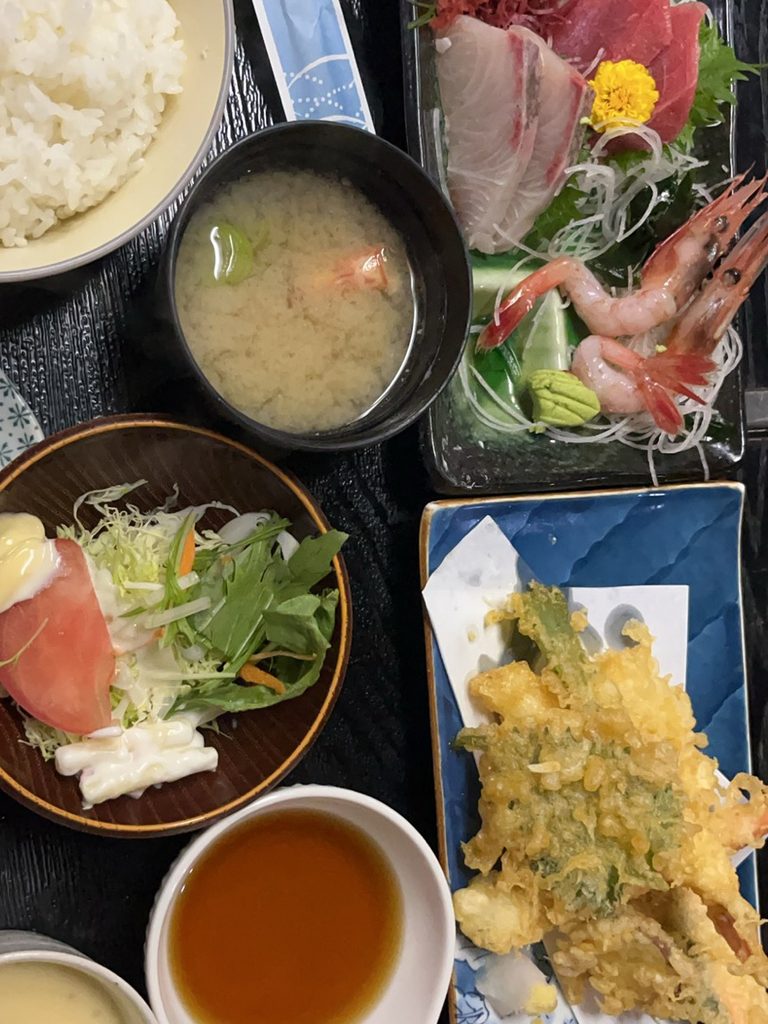
Sankaku Market began in 1948 as a handful of street stalls set up just after the war, and it takes its name from the triangular shape of both the land and the roofline of the original market building. Today, around twenty shops line a roughly 200-meter stretch just beside JR Otaru Station, selling fresh seafood alongside a handful of small restaurants serving it the same day it arrives.
Seafood rice bowls, piled generously with sea urchin, salmon roe, and a rotating selection of seasonal fish, are the main draw, though set meals featuring grilled fish, sashimi, and tempura are equally popular. Restaurants inside the market open early, most from around 7:00, making it a convenient first stop for travelers arriving on an early train, and the market stays open every day of the year except New Year’s Day.
Because each restaurant is run directly by an attached fish shop, the seafood on offer tends to be whatever came in that morning, and menus shift with the seasons accordingly. Winter months favor crab and fatty tuna, while summer brings sea urchin at its peak, giving repeat visitors a reason to return at different times of year for a noticeably different bowl.
Shoppers looking to bring seafood home rather than eat on the spot will also find several stalls specializing in dried and salted goods, from herring roe to smoked salmon, most of which can arrange nationwide shipping for larger purchases.
Highlights
- Fresh seafood rice bowls piled with sea urchin, salmon roe, and seasonal fish
- Set meals combining sashimi, tempura, and grilled fish
- A compact, walkable market just beside the station
- Open daily year-round except New Year’s Day
Details
- Time required: 45–60 minutes for a meal
- Hours: market roughly 6:00 to 17:00; individual restaurants generally 7:00 to 17:00, varying by shop
- Access: about 1–2 minutes on foot from JR Otaru Station
- Notes: restaurants can fill up quickly around midday, so an earlier or later visit tends to be less crowded
Watch the Sea Lions at Otaru Aquarium
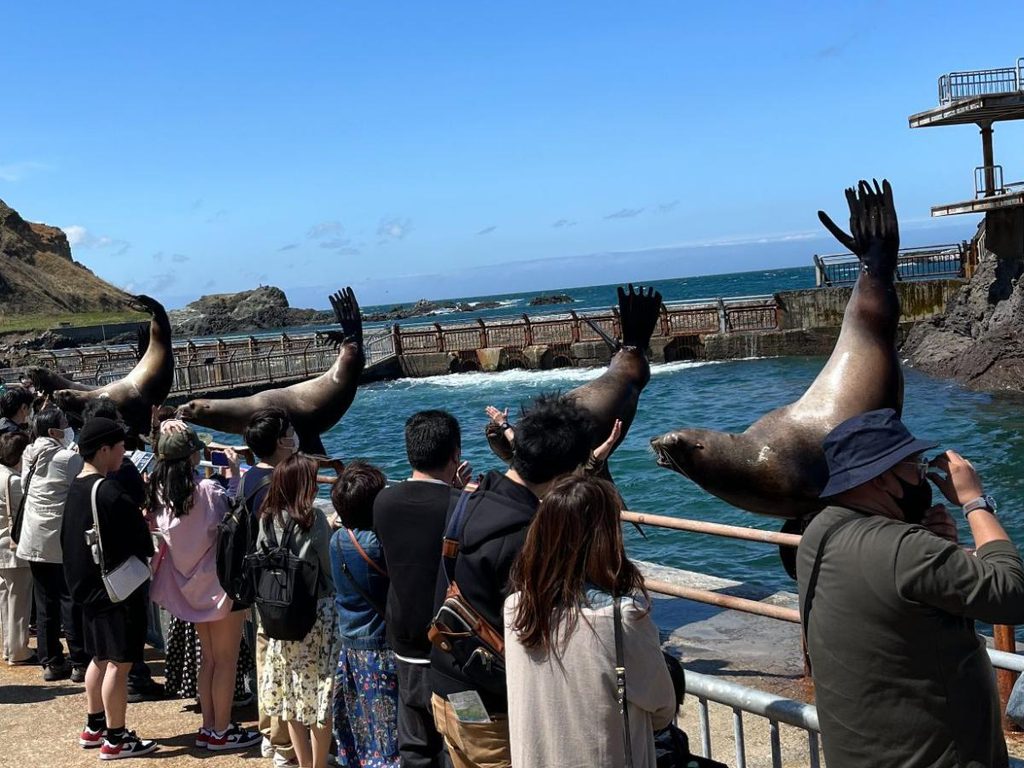
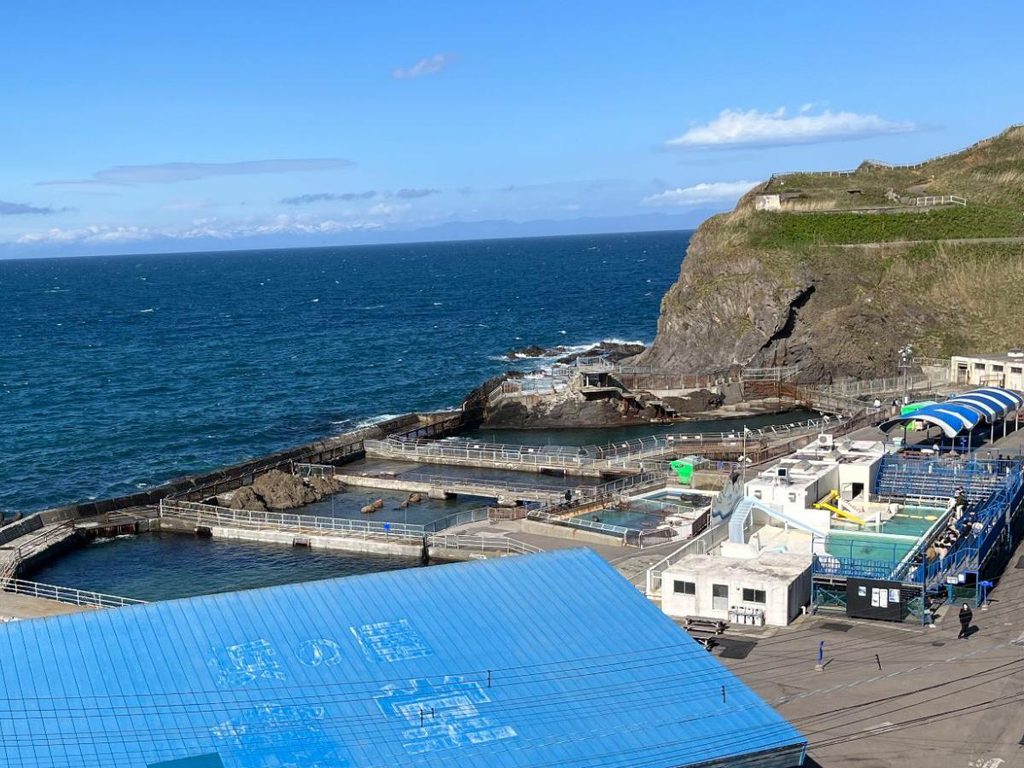
Otaru Aquarium sits in the Shukutsu area north of the city center, built directly against a rocky natural bay rather than relying purely on artificial tanks. Several of its marine mammal pools open straight onto the coastline, giving seals and sea lions space that closely resembles their natural habitat while still allowing close viewing from surrounding walkways.
The aquarium runs a rotating schedule of short performances throughout the day, covering penguins, seals, dolphins, walruses, and sea lions in turn, with sea lions frequently raising their flippers along the railing to the delight of watching crowds. Around 250 species are kept here in total, including the harbor porpoise, a species found on public display nowhere else in Japan. A seasonal marine park with rides operates alongside the main aquarium building during the warmer months.
The surrounding Shukutsu area adds further reason to linger, with views over the fishing harbor and rocky coastline visible from the aquarium’s entrance path. A nearby herring mansion, preserved as a designated cultural property, offers a glimpse into the fishing industry that once made this stretch of coast one of Hokkaido’s wealthiest districts, making the area worth combining into a half-day visit rather than a quick stop.
Highlights
- Marine mammal pools built directly into a natural rocky bay
- Rotating daily shows featuring seals, sea lions, dolphins, and penguins
- Around 250 species on display, including Japan’s only public harbor porpoise
- Sweeping coastal views from the surrounding walkways
Details
- Time required: 2–3 hours
- Admission: adult (16 and older) ¥1,800, child (6–15) ¥700, infant (3–5) ¥350 in the regular season; lower winter-season pricing applies from mid-December to late February
- Hours: 9:00 to 17:00 in peak season, shifting to 10:00 to 16:00 during the winter months
- Access: about 20 minutes by car from central Otaru, or by bus from JR Otaru Station
Travel Tips for Visiting Otaru
Time the Canal around Evenings
The gas lamps and warehouse lighting switch on at sunset, so arriving in the late afternoon and staying through dusk gives the best chance to see the canal in both daylight and its illuminated evening form.
Visit Sankaku Market Early
Restaurants inside the market can develop lines around midday, so arriving shortly after opening tends to mean shorter waits and a wider choice of seafood still available.
Check Shrine Festival Dates in Advance
Both Ryugu Shrine and Otaru Sumiyoshi Shrine hold their major annual festivals in summer, and visiting during these dates offers a livelier, more festive atmosphere than a typical weekday visit.
Dress for a Short Uphill Walk
Both Ryugu Shrine’s approach and the stairway up to Otaru Sumiyoshi Shrine involve slopes and steps, so comfortable walking shoes make the visit considerably easier.
Confirm Aquarium Hours by Season
Otaru Aquarium’s hours and pricing shift noticeably between its regular and winter seasons, so checking the current schedule before setting out helps avoid an unplanned wait or early closure.
Watch the Weather Near the Coast
Both the canal walk and the aquarium sit close to open water, and wind off the sea can make conditions feel considerably colder than inland parts of the city, so an extra layer is worth packing even on an otherwise mild day.
Carry Cash for Smaller Shops
Many stalls inside Sankaku Market and smaller shops near the canal still prefer cash, particularly for smaller purchases.
How to Get to Otaru
From Sapporo
- By train: JR rapid “Airport” service to Otaru Station, taking about 35 minutes
- By car: approximately 40 minutes via the Sasshō Expressway
From New Chitose Airport
- By train: JR rapid “Airport” service directly to Otaru Station, taking around 75 minutes
- By car: approximately 80–90 minutes via the expressway network
Within Otaru
- On foot: JR Otaru Station to Sankaku Market and Ryugu Shrine takes under 15 minutes; the canal is about a 10-minute walk in the opposite direction
- By train: JR local service to Minami-Otaru Station for Otaru Sumiyoshi Shrine
- By bus or car: Otaru Aquarium, in the Shukutsu area, is best reached by local bus or a roughly 20-minute drive from the city center
*Travel times, fares, and operating hours are subject to change. Please check official transport and attraction websites for up-to-date information.
Summary
Otaru packs a surprising range of experiences into a compact port city: a curving, gas-lit canal built from reclaimed shoreline, two shrines with very different stories rooted in the city’s maritime history, a seafood market that has fed travelers since the years just after the war, and an aquarium built right into a natural rocky bay. Together, they give a fuller picture of Otaru than the canal alone, tracing the city’s development from a working harbor into the layered destination it is today.
As with much of Hokkaido, having a reliable eSIM on hand makes it easier to check festival dates, market hours, and aquarium schedules while moving between the station, the shrines, and the waterfront. Whether visited as a day trip from Sapporo or as part of a longer Hokkaido itinerary, Otaru rewards a full day of walking rather than a quick stop at the canal alone.