Introduction
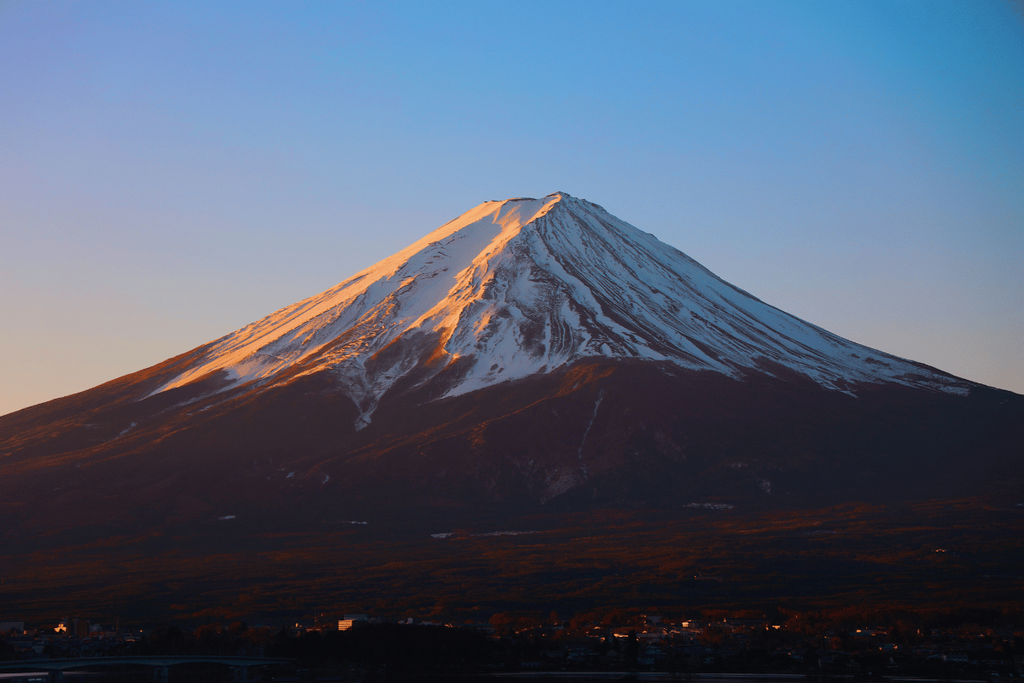
Photo: Unsplash
If you’re planning a trip to Japan and thinking about hiking Mt. Fuji, you’re definitely not alone. Climbing Japan’s most iconic mountain is on a lot of travelers’ bucket lists, and for a good reason. Standing at 3,776 meters, Mt. Fuji is the highest mountain in Japan and one of the most recognizable peaks in the world. The idea of watching the sunrise from the summit, often called goraiko, is especially appealing and draws thousands of hikers every year during the climbing season. For many people, it is not just a hike, but a personal goal that becomes the highlight of their entire trip.
At the same time, Mt. Fuji is often misunderstood. Because it’s such a popular climb and doesn’t require technical mountaineering skills, many people assume it’s an easy hike. The terrain is relatively simple compared to some mountain hikes, but the elevation gain, long hours, and changing weather conditions create a challenge of their own. Knowing this in advance helps you approach the climb with the right mindset and avoid unnecessary surprises.
This guide will walk you through hiking Mt. Fuji is really like, from the trail conditions and timing to what you should prepare in advance. It also helps you understand whether this climb matches your travel style, especially if you are deciding between a more relaxed itinerary and a more physically demanding experience. With the right expectations, Mt. Fuji can be both manageable and incredibly rewarding.
What the Climb Feels Like
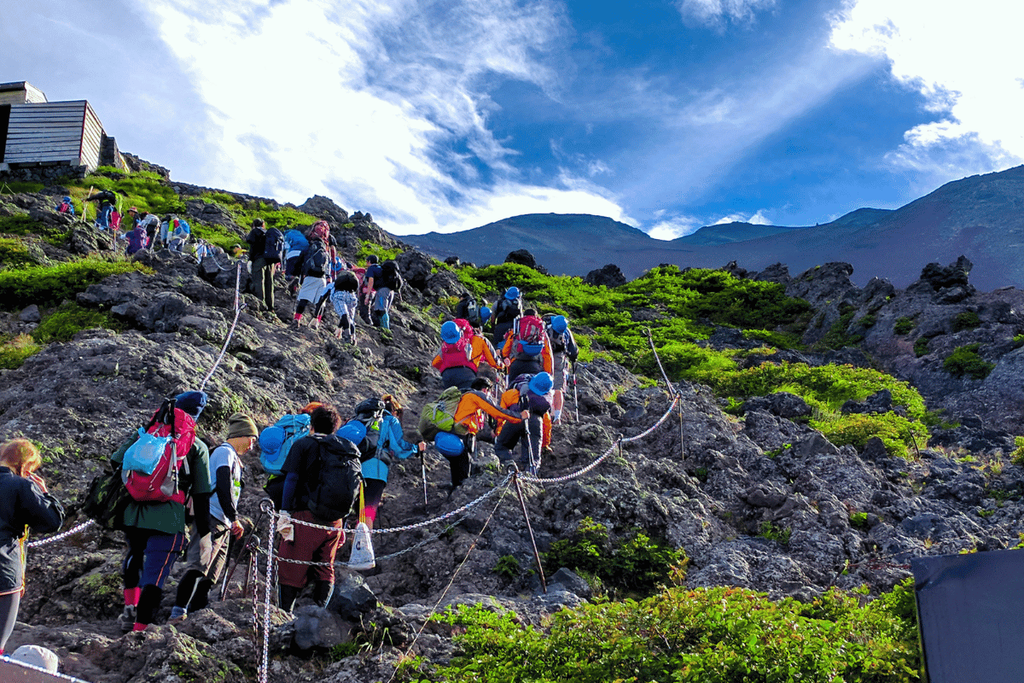
Photo: Unsplash
One of the biggest differences between Mt. Fuji and other hikes are the environment. Unlike forested trails or scenic mountain paths, much of the climb takes place on exposed volcanic terrain with very little shade. As you go higher, the landscape becomes more barren, with loose rocks and gravel replacing greenery. This gives the mountain its distinctive look, but it also means you are more exposed to sun during the day and cold winds at higher elevations. While the scenery is less varied than on some mountain trails, the dramatic volcanic landscape gives Mt.Fuji its unique character.
Altitude is another important factor that shapes the experience. Even if you start from a higher point like the 5th Station, you are still climbing a significant vertical distance. As the air gets thinner, you may notice that your breathing becomes heavier and your pace naturally slows down. Some hikers experience mild symptoms like headaches or fatigue, especially if they ascend too quickly without enough rest. Taking breaks and staying hydrated becomes essential to keeping your energy levels steady.
Crowds also play a role, particularly during peak season. The trails can become lively, particularly during peak season, especially near popular sections and closer to the summit during sunrise hours. While this creates a shared experience with other hikers, it can also slow your progress and require some patience. Understanding that this is part of the Mt. Fuji experience helps you adjust your expectations and enjoy the climb for what it is.
Timing, Routes, and How to Plan Your Climb
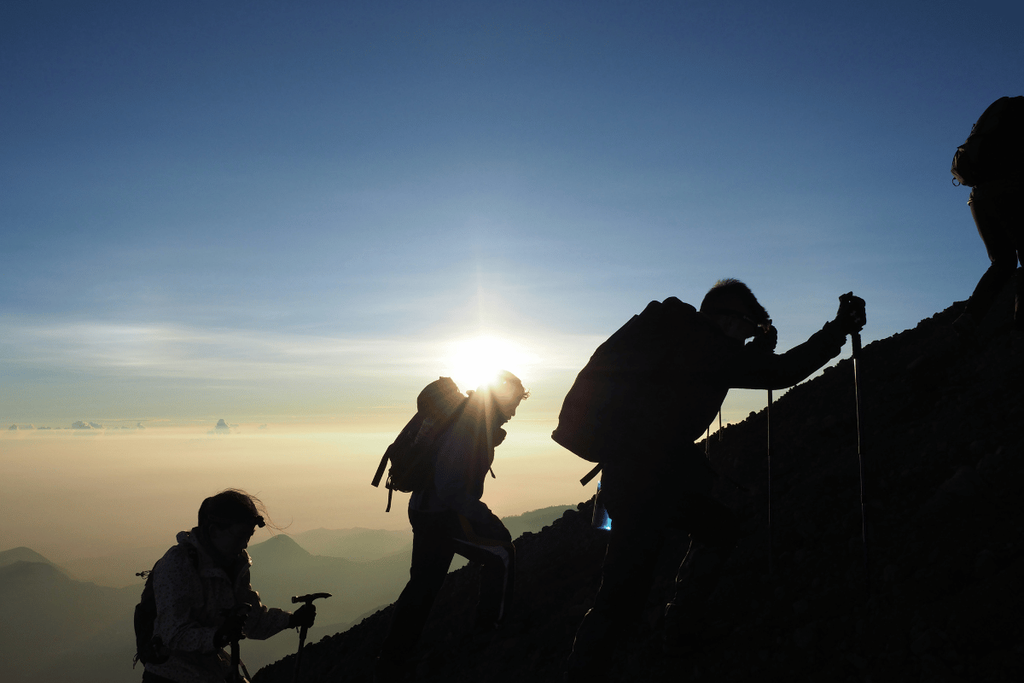
Photo: Unsplash
Mt. Fuji is only open for hiking during a limited period each year, usually from early July to early September. Outside of this season, conditions become much more dangerous due to snow, ice, and strong winds, and most facilities along the trail are closed. For safety reasons, it is strongly recommended to climb during the official season when routes are maintained and mountain huts are open. Even within this window, conditions can change quickly, so checking the weather before your climb is always important.
There are several main routes to the summit, including the Yoshida, Subashiri, Gotemba, and Fujinomiya trails. The Yoshida Trail is the most popular and beginner-friendly, with more facilities and clearer markings along the way. Other routes tend to be quieter but can feel more challenging due to fewer rest stops and steeper sections. Choosing the right route depends on your experience level and how crowded you want your hike to be.
Many hikers choose to split the climb into two days by staying overnight in a mountain hut. This allows you to rest before making the final push to the summit early in the morning for sunrise. While this approach can make the climb feel more manageable, it also requires advance booking and adds to the overall cost. Some hikers choose to do the climb in one go, but this can be more physically demanding and requires careful pacing.
What to Pack and How to Prepare
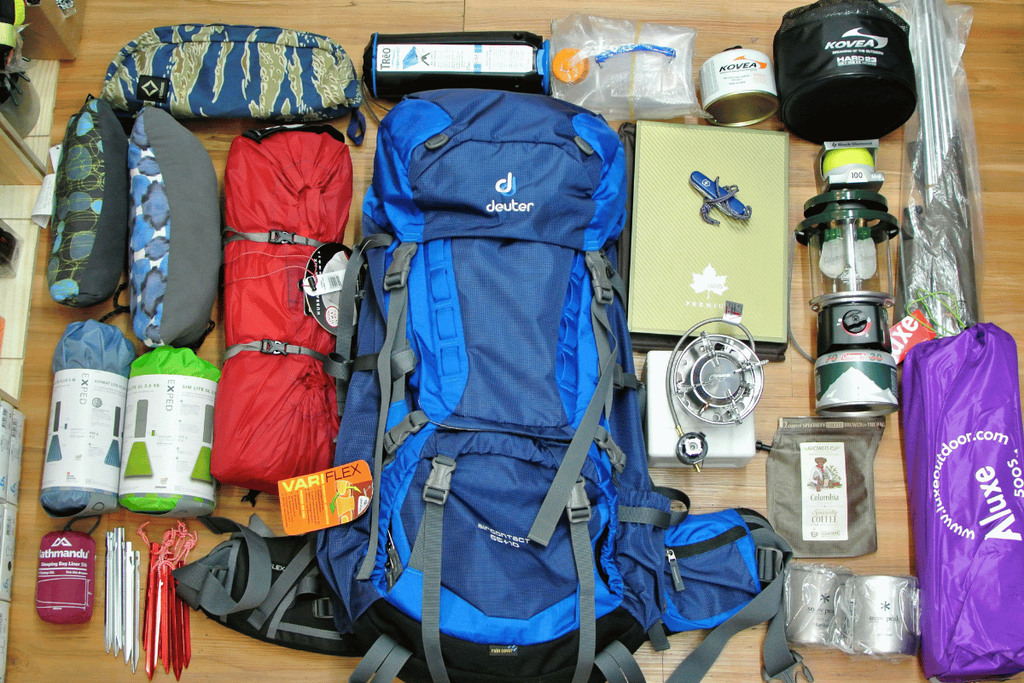
Photo: Unsplash
Preparation is one of the most important parts of a successful Mt. Fuji hike. Even though it is not a technical climb, the conditions can change quickly, and being properly equipped makes a big difference. One of the most important things to bring is proper footwear, as the terrain can be uneven and slippery in certain sections. Good grip and ankle support can help reduce fatigue and prevent minor injuries.
Layered clothing is essential. Temperatures can vary significantly between the base and the summit. It may feel warm when you start, but it can become very cold near the top, especially before sunrise. A waterproof jacket is also recommended, as weather conditions can shift quickly and rain is always a possibility. Being able to adjust your clothing throughout the climb helps you stay comfortable.
Other important items include enough water, high-energy snacks, and a headlamp if you plan to hike during the night. Bringing cash is also useful, as mountain huts and rest stops may not accept cards. Even though facilities are available along the trail, they can be expensive, and availability may vary depending on the time and location. Preparing well allows you to focus on the experience rather than dealing with avoidable problems.
Common Challenges and Mistakes to Avoid
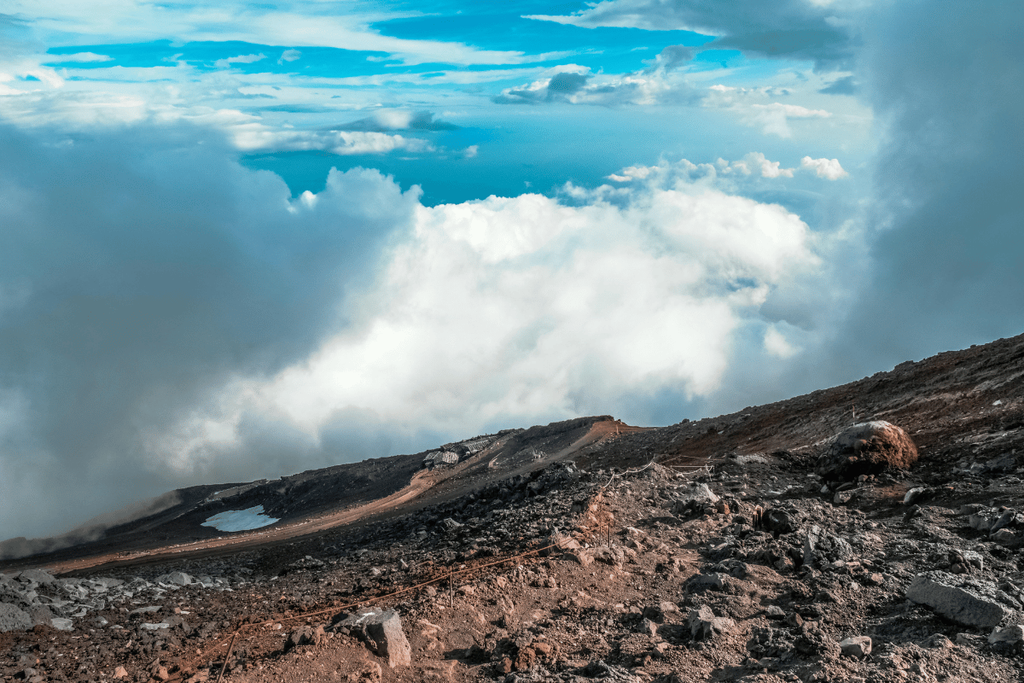
Photo: Pexels
One of the keys to enjoying the climb is understanding the physical demands involved and preparing accordingly. Just because Mt. Fuji is accessible does not mean it is easy, and going in without preparation can make the experience much harder than expected. Taking the time to understand the route, pace yourself, and build in rest breaks can make a big difference. Starting too fast often leads to early fatigue, which can affect the rest of your climb.
Another challenge is managing altitude and energy levels. Climbing too quickly without giving your body time to adjust can increase the risk of altitude-related symptoms. Listening to your body and slowing down when needed is important, even if it means adjusting your original plan. It is better to reach the summit steadily than to push too hard and feel unwell along the way.
Weather is another factor that can catch people off guard. Conditions can change rapidly, and what starts as a clear day can quickly turn windy or cold at higher elevations. Being prepared for different scenarios helps you stay safe and comfortable. Many hikers also underestimate how tiring the descent can be, especially on loose gravel, so saving some energy for the way down is important.
Setting Expectations for the Climb
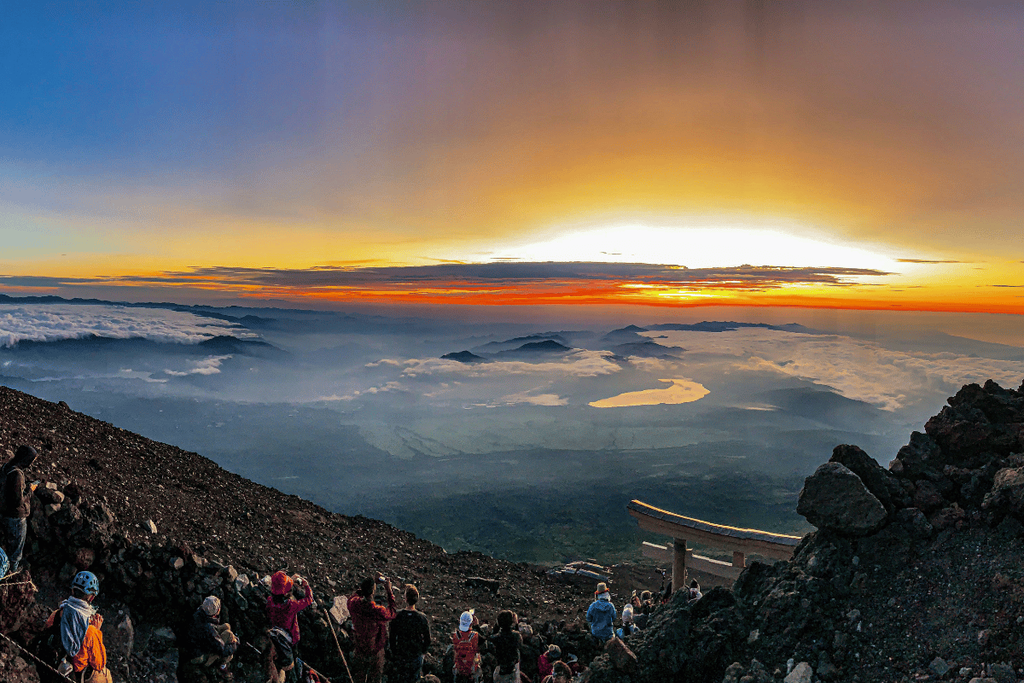
Photo: Unsplash
For many travelers, hiking Mt. Fuji becomes one of the most memorable parts of their trip to Japan. Reaching the summit, especially in time for sunrise, brings a sense of accomplishment that is difficult to replicate elsewhere. The combination of physical effort, high-altitude scenery, and the atmosphere shared with fellow hikers makes the experience feel truly special. For many people, it is not simply about standing at the top of Japan’s highest mountain, but about challenging themselves and achieving a personal goal.
What makes Mt.Fuji unique is that it is accessible to a wide range of hikers while still feeling like a genuine achievement. You do not need advanced mountaineering skills to reach the summit, but the climb still requires preparation, patience, and determination. That balance is one of the reasons why so many visitors choose to take on the challenge each year.
Of course, every traveler enjoys different types of outdoor experiences. Some people love the sense of achievement and the iconic nature of the climb, while others may prefer quieter trails with more varied scenery. Understanding what to expect helps you appreciate Mt. Fuji for what it is rather than comparing it to other mountains.
If you approach the climb with realistic expectations and allow yourself to enjoy the journey along the way, Mt. Fuji can be an incredibly rewarding experience. Long after the physical challenge is over, the memories of the climb and the view from the summit often remain one of the highlights of a trip to Japan.
Summary
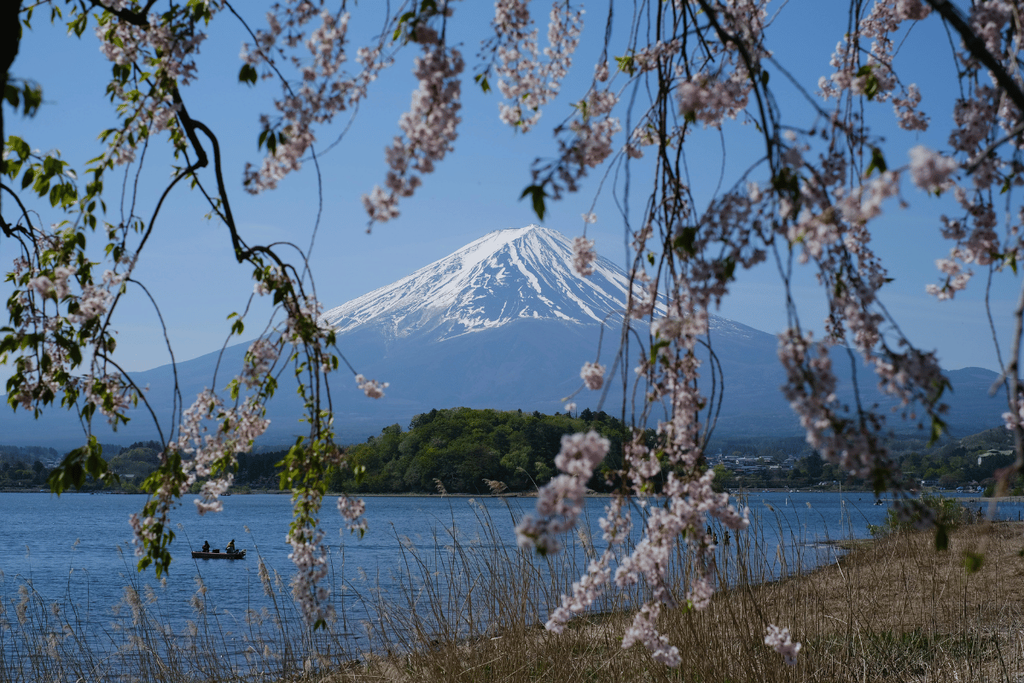
Photo: Pexels
Hiking Mt. Fuji is one of those experiences that stays with you long after your trip is over. It is not just about standing at the highest point in Japan, but about the process of getting there step by step.The climb offers a rewarding physical challenge, but it also gives you time to reflect and enjoy a different side of Japan that many travelers do not experience. That combination is what makes it so memorable.
With the right preparation and mindset, the hike is achievable for many people, even if it feels challenging at times. Understanding what to expect allows you to plan better and avoid common mistakes that can take away from the experience. Taking your time, pacing yourself, and staying aware of your surroundings all contribute to a more enjoyable climb.
If you decide to take on Mt. Fuji, treat it as more than just a checklist item. Give yourself the time and space to experience it fully, from the first steps at the base to the final view at the summit. That approach often makes the difference between a difficult hike and a truly rewarding one.
Don’t forget to stay connected during your trip with a Japan eSIM — it makes navigating, checking weather updates, and staying in touch much easier while you’re on the go.
Have a great trip, and good luck on your Mt. Fuji hike.