Introduction
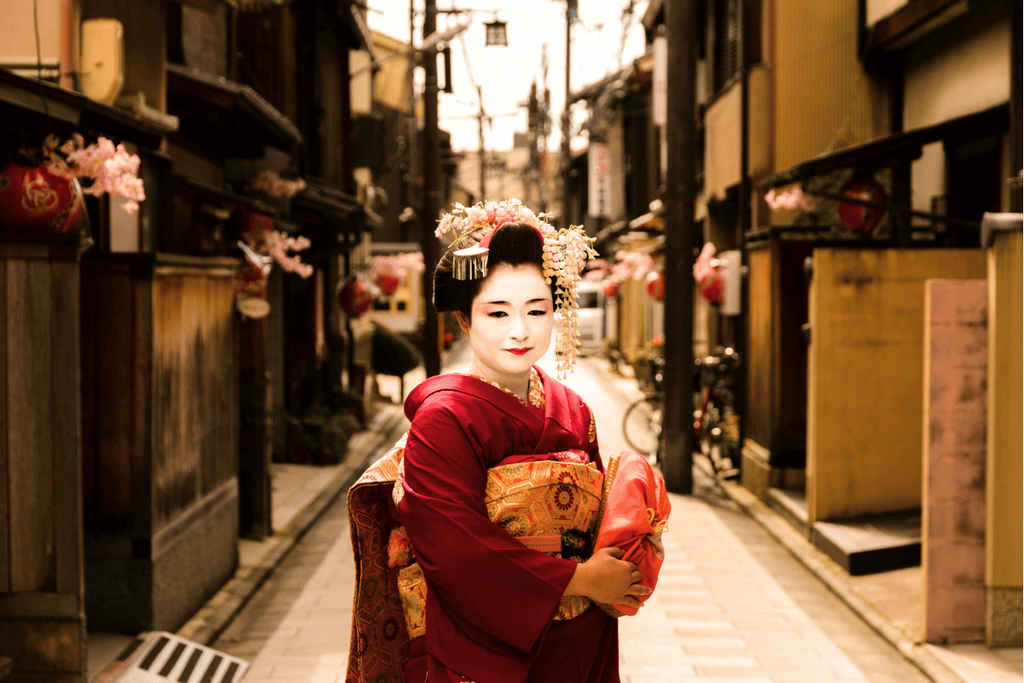
Photo: Pexels
Heading to Kyoto for the first time and not sure what to pack or plan? It’s a common situation. Kyoto is an incredibly rewarding city to explore, but a bit of preparation really makes a difference. From temple etiquette to typhoon season, there are a few details that are easy to miss but can affect your trip.
This article is your one-stop Kyoto travel checklist. Whether you are three months out or leaving next week, you will find everything you need to prepare with confidence — what to bring, what to book, and what to keep in mind once you arrive.
In this article you will learn:
- What essential items and documents to pack for a Kyoto trip
- Which things to arrange and book well in advance
- Practical on-the-ground tips for getting around and visiting temples
- What seasonal factors to prepare for throughout the year
Before your trip, make sure you stay connected from the moment you land. A Japan eSIM lets you skip the SIM card queue and get online instantly at the airport. Check out Get Japanese eSIM for affordable, easy-to-activate data plans for your Kyoto adventure.
Overview of Kyoto as a Destination
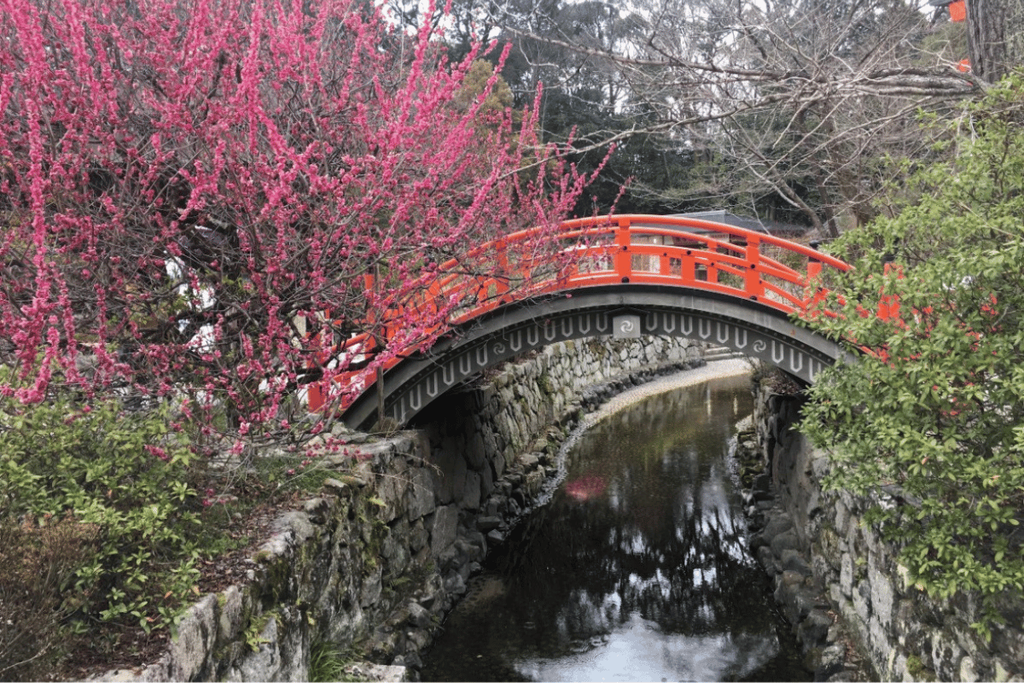
Kyoto served as Japan’s imperial capital for over a thousand years, and that history is everywhere you look. The city is home to seventeen UNESCO World Heritage Sites, including some of Japan’s most famous temples and shrines, traditional machiya townhouses, and more geisha districts than anywhere else in the country. Unlike Tokyo, which moves at full speed, Kyoto rewards slow travel and careful attention to detail.
That said, Kyoto is not a small city, and it does get crowded — particularly during cherry blossom season in late March and early April, and during the autumn foliage peak in November. Planning well in advance is especially important if you want to visit during these periods. Accommodations fill up months ahead, and popular spots can see long queues from early morning.
The good news is that Kyoto is exceptionally well organised for visitors. Transport links are reliable, English signage is widely available, and even the quieter neighbourhoods are easy to navigate. Get the logistics right, and you can spend your energy on the things that actually matter.
Key features of Kyoto:
- 17 UNESCO World Heritage Sites within the city and surrounding area
- Distinct neighbourhoods, each with their own character — from Arashiyama to Fushimi
- Strong seasonal appeal, with cherry blossoms in spring and maple foliage in autumn
- Easy day-trip access to Osaka, Nara, and Hiroshima
Best Things to Do in Kyoto
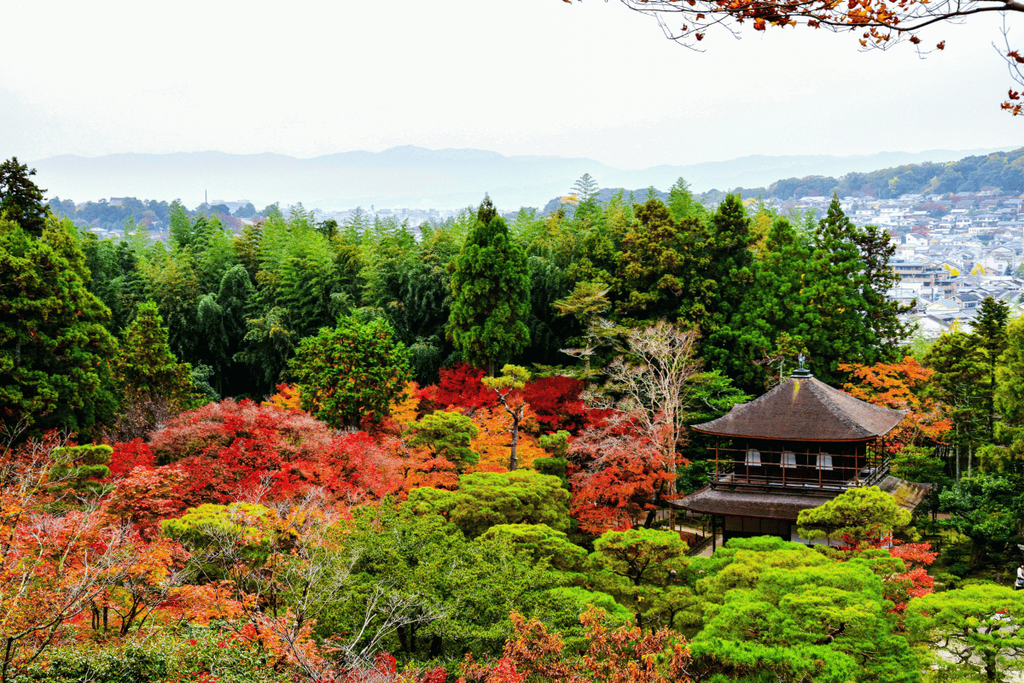
Photo: Pexels
Kyoto offers plenty to experience beyond temple-hopping — although you will find plenty of that too.
Explore the Historic Neighbourhoods
Kyoto’s neighbourhoods each have their own character, and walking through them is one of the easiest ways to spend a day. Higashiyama is lined with preserved machiya townhouses and stone-paved streets leading up to Kiyomizu-dera Temple. Gion is the city’s geisha district and feels especially atmospheric at dusk, when the lanterns light up and the crowds ease a little. Arashiyama, a bit further out, is known for its bamboo grove but also has quieter temples along the river that many visitors miss.
- Higashiyama District — traditional shophouses and temple approach lanes
- Gion — lantern-lit streets and occasional glimpses of maiko
- Arashiyama — bamboo grove, Tenryu-ji temple gardens, and riverside walking
Enjoy the Seasonal Highlights
Kyoto’s calendar has a big impact on what you see, and knowing what’s in season can change how you plan. Cherry blossom viewing at Maruyama Park and along the Philosopher’s Path is one of Japan’s most well-known spring traditions. Autumn brings bright maple foliage to Eikan-do, Tofuku-ji, and many smaller temple gardens. Summer has its own appeal — the Gion Matsuri festival runs throughout July, and evenings along the Kamogawa River are lively and easy to enjoy.
- Spring cherry blossoms (late March to early April)
- Summer Gion Matsuri festival (July, especially 17th and 24th)
- Autumn maple foliage (mid-November to early December)
Try the Local Food and Crafts
Kyoto has its own culinary identity, distinct from Tokyo or Osaka. Kaiseki, the multi-course formal cuisine, was developed here and is still considered the city’s finest dining tradition — though there are plenty of approachable options at more casual restaurants. Nishiki Market, a narrow covered arcade near the centre, is one of the best places to sample local specialities like tofu, pickles, and grilled skewers. For crafts, look for Kyoto-made ceramics, lacquerware, and textiles.
- Nishiki Market — fresh tofu, pickles, and local street snacks
- Kyoto tofu cuisine — especially yudofu (simmered tofu) near Nanzen-ji
- Traditional crafts — Kyo-yaki ceramics, Nishijin silk weaving
Recommended Checklist Essentials for Kyoto
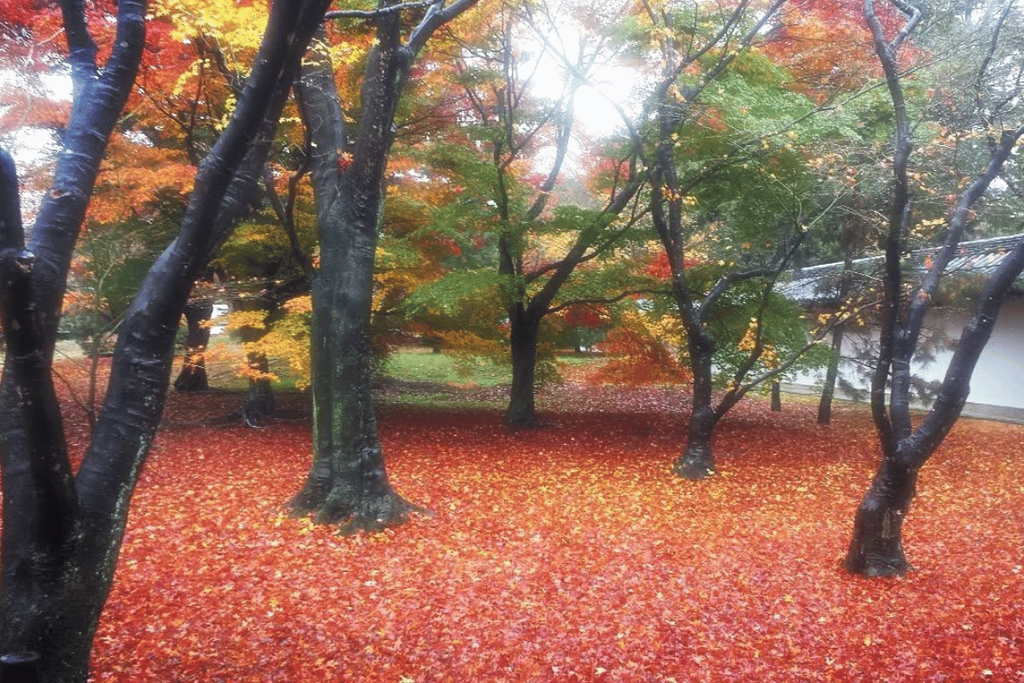
These are five key things to think about before your Kyoto trip. Treat them as the foundation of your checklist — get these sorted early, and everything else becomes much easier once you arrive. From where you stay to how you get around and what to pack, a bit of preparation can make your time in Kyoto smoother and more enjoyable. It also helps you avoid common mistakes, especially during busy travel seasons when the city can feel crowded and fast-paced.
1.Where to Stay
In Kyoto, where you stay can make a bigger difference than in many other cities. Each neighbourhood feels quite different, and your choice of base affects how you spend your time. Staying in Higashiyama puts you within walking distance of Kiyomizu-dera and Gion. Staying near Kyoto Station is practical for day trips but less atmospheric. Downtown around Kawaramachi offers a good balance.
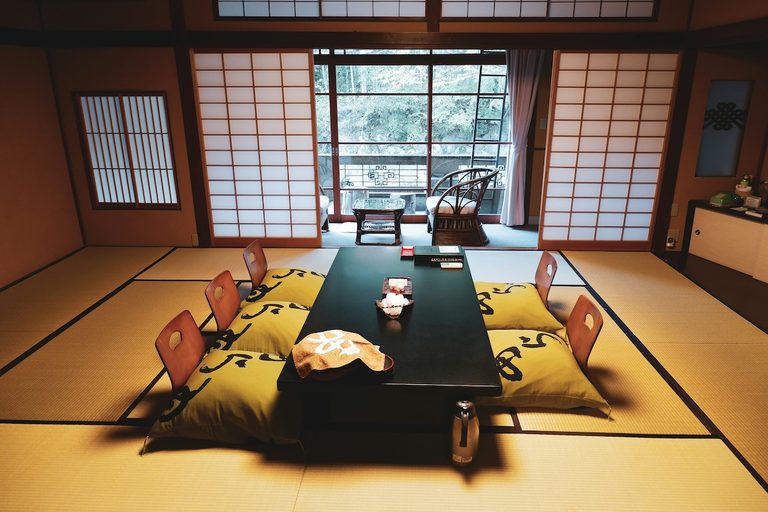
The key is to book early. During cherry blossom season (late March to early April) and autumn foliage season (mid-November to early December), popular ryokan and centrally located hotels often sell out three to six months in advance. If you are hoping for a traditional ryokan experience with tatami floors and kaiseki dinner, especially in areas like Higashiyama or Arashiyama, it is best to book as early as possible.
If you are flexible with your dates, visiting in the shoulder periods — late May to June, or September to early October — means better availability, more reasonable prices, and fewer crowds at major sites.
Highlights:
- Book ryokan at least 3 months in advance during peak seasons
- Choose your area carefully — location matters more than in Tokyo
- Higashiyama, Gion, and Kawaramachi are the most walkable, atmospheric bases
2. Getting Around
Getting an IC card (Suica, ICOCA, or Pasmo) before or soon after arriving in Japan is one of the most useful things you can do for a Kyoto trip. These rechargeable cards work on buses, subway lines, and most transport across the city, and save you from buying individual tickets each time. Buses in Kyoto use a flat fare system within the city centre, and tapping an IC card is much quicker than handling coins.
Depending on how much you plan to move around, a one-day or two-day Kyoto bus pass may also be worth considering. If you are planning day trips to Osaka or Nara, it is worth checking whether a JR Pass or a regional Kansai pass makes sense for your itinerary — this is easier to sort out in advance than on the spot.
Getting around Kyoto is straightforward with Google Maps or the Japan Official Travel App. City buses reach most major sights, and the subway connects Kyoto Station with central and northern areas. Taxis are easy to find but can get expensive — useful late at night or with luggage, but not something you will want to rely on all day.
Highlights:
- Get an IC card (Suica or ICOCA) before or on arrival
- Consider a Kyoto bus day pass if visiting multiple sites in one day
- Check JR Pass options if planning trips to Osaka, Nara, or Hiroshima
3. Visiting Temples
Some of Kyoto’s most popular temples and gardens now require advance reservations, especially during peak seasons. Kinkaku-ji (the Golden Pavilion), Ryoan-ji, and Fushimi Inari are walk-in sites, but others — including moss gardens like Saiho-ji (Koke-dera) — require booking weeks ahead. Places like Kennin-ji or Shisen-do are easier to access, but still worth checking in advance.
Even at walk-in sites, timing makes a big difference. Fushimi Inari gets crowded by mid-morning, but arriving before 7am means a much quieter experience on the lower paths. The same goes for Arashiyama’s bamboo grove — early morning feels completely different from late morning. Many temples open around 8am or 9am, and the first hour is usually the calmest.
Dress with practicality in mind — many temple visits involve uphill walks or uneven stone paths. Comfortable shoes you can easily slip on and off are especially helpful, as you will often need to remove them indoors.
Highlights:
- Some gardens require reservations weeks in advance (ex. Saiho-ji)
- Aim to arrive before 8:30am to avoid peak crowds
- Wear comfortable shoes that are easy to remove
4. What to Wear
Kyoto’s weather changes quite a bit throughout the year, so what you pack should match your travel dates. Summers (June to September) are hot and humid — often around 35°C, with high humidity and occasional afternoon storms in July and August. Lightweight, breathable clothing and a small folding umbrella are essential. Winters (December to February) can feel quite cold, especially in the evenings and in open temple grounds, despite relatively moderate temperatures.
Spring and autumn are the most comfortable seasons, but also the busiest. Light layers work well — mornings can be cool, while afternoons warm up. Rain is possible at any time of year, so packing a compact umbrella or light rain jacket is always a good idea.
Typhoon season runs from late August through October, with September being the peak. It rarely disrupts an entire trip, but it can affect a day or two of sightseeing. It is worth checking the forecast before your trip and keeping your plans a little flexible if you are visiting during this time.
Highlights:
- Summers are hot and humid — pack lightweight, breathable clothing
- Bring a compact umbrella in any season
- Typhoon risk peaks in September — keep plans flexible
5. Money, SIM, and Essentials
Japan still relies quite a bit on cash, and Kyoto — despite being a major tourist destination — has many smaller restaurants, shrines, and market stalls that do not accept cards. Keeping around 10,000 to 20,000 yen in cash is a safe baseline. ATMs at 7-Eleven and convenience stores are reliable and accept most international cards.
For connectivity, using a Japan SIM card or eSIM is much easier than relying on roaming. Having access to maps, translations, and transport info in real time makes a big difference. Pocket Wi-Fi is another option, especially for groups. Whichever you choose, it is best to arrange this before arrival to avoid airport queues.
As for documents, make sure your passport is valid for your stay, check visa requirements if needed, and keep copies of important bookings — accommodation, transport, and any reservations. Digital access is usually fine, but having offline backups is always helpful.
Highlights:
- Carry cash — smaller places may not accept cards
- Set up a SIM or eSIM before arrival
- Keep offline copies of key documents
Before your trip, make sure you stay connected from the moment you land. A Japan eSIM lets you skip the SIM card queue and get online instantly at the airport. Check out Get Japanese eSIM for affordable, easy-to-activate data plans for your Kyoto adventure.
Travel Tips for Visiting Kyoto
- Book hotels early:
For peak seasons (cherry blossom in late March to early April, and autumn foliage in November), popular ryokan and central hotels can fill up three to six months ahead. Do not leave this to the last minute.
- Use the buses for temples, subway for longer routes:
Kyoto’s bus network is excellent for connecting major sights, while the Karasuma and Tozai subway lines are faster for longer east–west or north–south journeys. A day bus pass is worth buying if you plan more than three bus rides in a day.
- Arrive at popular sights as early as possible:
Fushimi Inari, the Arashiyama bamboo grove, and Kiyomizu-dera are all significantly more pleasant before 9am. Many temples open at 8am or 8:30am — take advantage of that window.
- Dress comfortably for walking:
You’ll be walking a lot in Kyoto, often on uneven stone paths or sloped streets. Shoes that are easy to slip on and off make temple visits much easier.
- Be respectful at religious sites:
Many of Kyoto’s temples and shrines are still active places of worship. Speak quietly, do not touch cultural artefacts, and follow any posted instructions — some areas are restricted to worshippers.
- Learn a few words of Japanese:
Basic courtesies — arigatou gozaimas (thank you), sumimasen (excuse me), and eigo ga hanasemasu ka (do you speak English?) — go a long way in smaller restaurants and traditional establishments where English may be limited.
How to Get to Kyoto
Photo: Pexels
From Tokyo to Kyoto Station
- Shinkansen (bullet train)
- Time: about 2.5 hours
- Cost: around ¥14,000*
From Osaka to Kyoto Station
- JR train
- Time: about 30 minutes
- Cost: about ¥600*
From Kansai International Airport to Kyoto Station
- JR Haruka Express
- Time: about 75 minutes
- Cost: about ¥3,000*
From Narita International Airport to Kyoto Station
- Narita Express + Shinkansen
- Time: about 3.5–4 hours
- Cost: about ¥18,000*
*Prices are subject to change. Please check the official website for up-to-date information.
Summary
A bit of preparation goes a long way in Kyoto. The city’s depth of history, the variety between neighbourhoods, and the way temple visits work all mean that having a simple checklist can make a real difference. Book your accommodation early, get your IC card sorted, check which sites need reservations, and think about what season you are visiting. Get these basics in place, and the rest — wandering, discovering, and unplanned moments — tends to fall into place. It also gives you more time to slow down and take in the details, whether that is a quiet backstreet, a small local café, or a temple garden you might otherwise have rushed through.
If you have flexibility on when to visit, late May to early June or the first two weeks of October often offer a good balance of comfortable weather, manageable crowds, and beautiful scenery. Cherry blossom and autumn foliage seasons are incredible, but they also require more planning and patience. Whenever you decide to go, Kyoto is the kind of place that feels more rewarding the more thought you put into it — and the more time you give yourself to simply enjoy being there.
Stay connected throughout your trip with a Japan eSIM — activate it before you land and navigate, translate, and explore with confidence from day one. Visit Get Japanese eSIM to find a plan that works for your trip length.
Enjoy discovering the depth and beauty of Kyoto, and create unforgettable memories during your trip in Japan.