Introduction
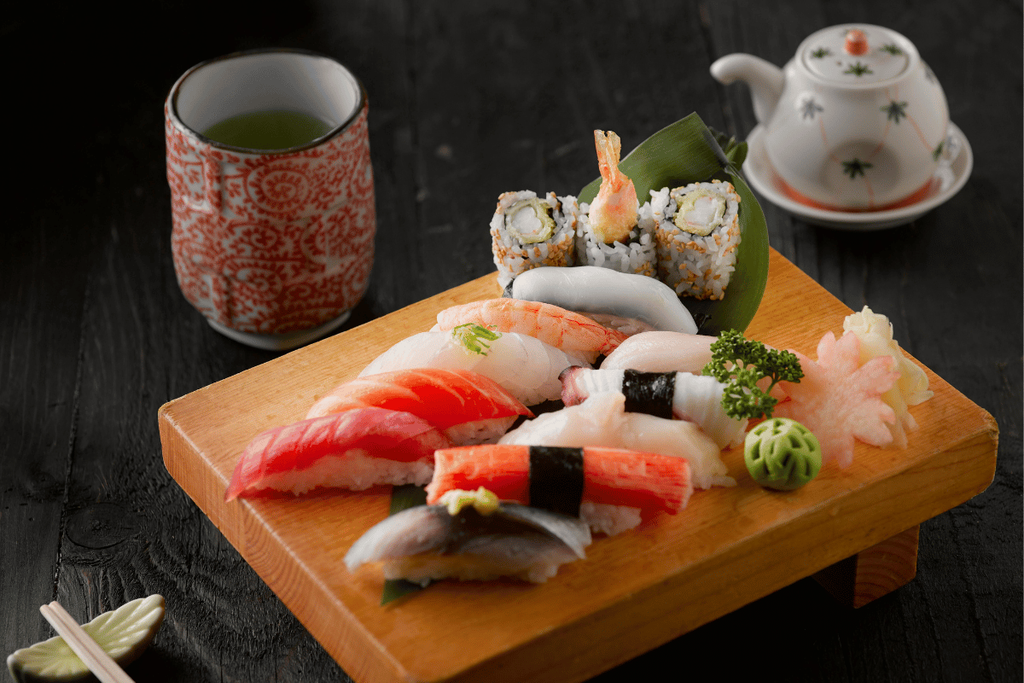
Photo: Pexels
For many visitors, food is one of the main reasons to travel to Japan. From sushi and ramen to regional specialties that are difficult to find elsewhere, every destination offers something a little different. What many first-time travellers discover, however, is that eating in Japan is about much more than simply trying famous dishes. Food and drink are closely connected, and many dining experiences are designed around enjoying the right combination of both. Understanding a few basics before your trip can make restaurant visits less intimidating and help you get even more out of Japan’s food culture.
Unlike some destinations where dining is primarily focused on the meal itself, Japan places a strong emphasis on the overall experience. Seasonal ingredients, carefully chosen drinks, and attention to presentation all play a role. Whether you are sitting at a casual izakaya, enjoying fresh seafood at a local market, or visiting a traditional restaurant, you will often notice how food and drink complement one another. The good news is that you do not need to be an expert to enjoy it. A little knowledge goes a long way, and exploring Japan’s food and drink scene is one of the most enjoyable parts of any trip.
Understanding Japanese Dining Culture
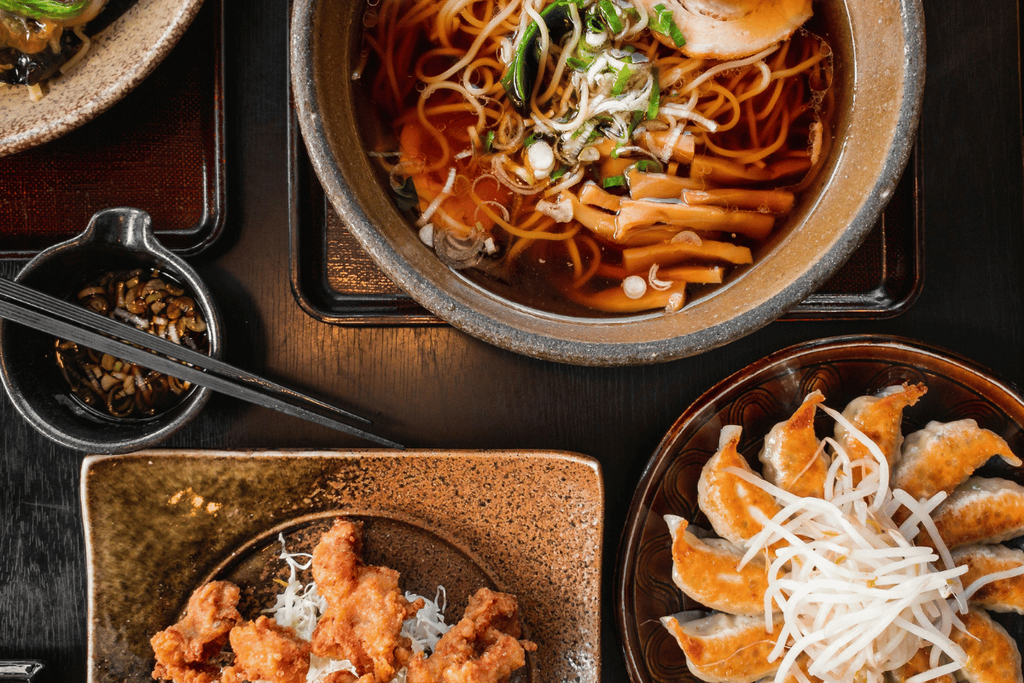
Photo: Unsplash
One of the most distinctive aspects of dining in Japan is the focus on balance. Rather than serving one large main dish with a few side items, many meals are designed around a variety of flavours, textures, and ingredients. This approach allows diners to enjoy several different tastes during a single meal. It also reflects the Japanese appreciation for seasonality and freshness. Even simple meals often include carefully selected ingredients that work well together.
Seasonal ingredients are especially important throughout Japan. Restaurants frequently adjust their menus depending on the time of year, and many dishes are only available during specific seasons. Spring might bring bamboo shoots and fresh seafood, while autumn menus often feature mushrooms, chestnuts, and seasonal fish. Paying attention to seasonal dishes can be a great way to experience Japan beyond the usual tourist favourites. It also means that the same restaurant may offer a completely different experience depending on when you visit.
Another thing visitors often notice is the care given to the presentation. Food is usually arranged thoughtfully, and even casual restaurants often take pride in how dishes are served. This attention to detail is not limited to high-end dining. Whether you order a simple lunch set or a multi-course meal, presentation is often considered part of the experience. It is one of the reasons why dining in Japan can feel special, even when the food itself is straightforward.
Traditional Japanese Drinks Worth Trying
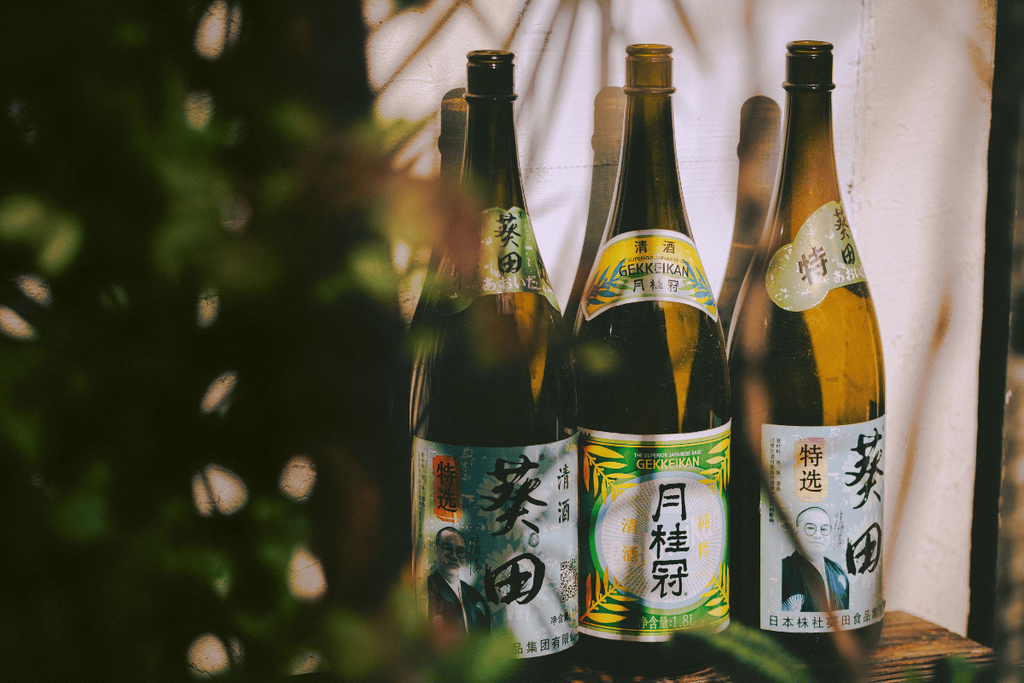
Photo: Pexels
When people think about Japanese drinks, sake is usually the first thing that comes to mind. Made from fermented rice, sake comes in a wide variety of styles, ranging from light and crisp to rich and complex. Some types are best served chilled, while others can be enjoyed at room temperature or warmed. For beginners, trying a sake tasting flight can be a great introduction because it allows you to compare different styles side by side. Many restaurants and breweries offer tasting sets that make exploring sake much less intimidating.
Shochu is another traditional drink that deserves more attention from international visitors. Unlike sake, shochu is distilled and can be made from ingredients such as barley, rice, sweet potatoes, or buckwheat. The flavour can vary significantly depending on the ingredient used. Some styles are smooth and easy to drink, while others have a stronger, more distinctive character. Shochu is often enjoyed with ice, mixed with water, or combined with soda, making it surprisingly versatile.
For travellers who prefer something sweeter, umeshu is often a popular choice. Commonly known as plum wine, it is made by steeping Japanese plums in alcohol and sugar. The result is a fruity drink that is easy to enjoy, even for people who do not usually drink alcohol. Umeshu is often served over ice, but it can also be mixed with soda water for a lighter option. It is available in many restaurants throughout Japan and is often recommended to first-time visitors.
Beer is also a major part of Japanese dining culture. Large domestic brands are widely available, and the country’s craft beer scene continues to grow every year. A cold beer paired with local food is one of the simplest ways to enjoy a night out in Japan. Even travellers who are not particularly interested in alcohol can still experience Japanese drink culture through green tea, roasted barley tea, yuzu drinks, and other non-alcoholic options commonly found throughout the country.
Discovering Japanese Wine
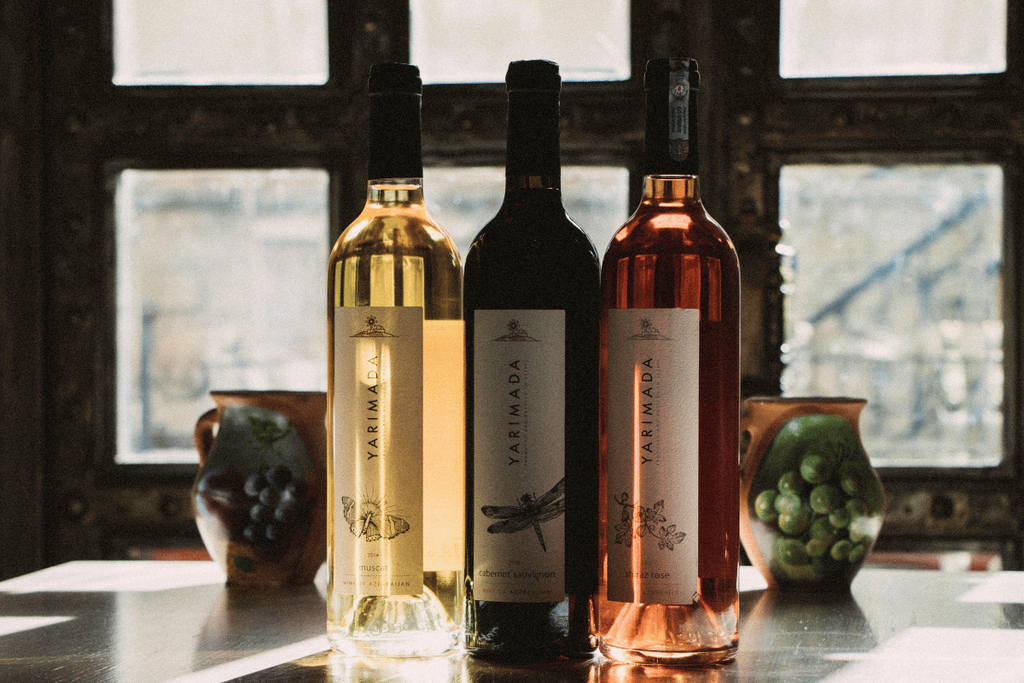
Photo: Pexels
Japan may not be as famous for wine as countries such as France or Italy, but its wine industry has developed considerably in recent decades. Domestic wines are becoming increasingly respected both within Japan and internationally. For travellers interested in wine, exploring local varieties can add an unexpected dimension to a trip. Many visitors are surprised by how well Japanese wines pair with local cuisine.
Koshu: Japan’s Signature White Wine
The most famous Japanese wine grape is Koshu, which is primarily grown in Yamanashi Prefecture near Mount Fuji. Wines made from Koshu grapes are typically light, refreshing, and subtly aromatic. They often feature citrus notes and a clean finish, making them particularly well suited to Japanese food. Because many Japanese dishes rely on delicate flavours, heavier wines can sometimes overpower them. Koshu offers a balance that works naturally with seafood, tempura, and many seasonal dishes.
Muscat Bailey A and Other Local Varieties
Japan is also known for Muscat Bailey A, a red grape variety developed specifically for local growing conditions. Wines made from this grape are usually fruit-forward and approachable, making them easy for casual wine drinkers to enjoy. While Japanese wineries produce a range of styles today, many focus on creating wines that complement local ingredients rather than copying European traditions. This unique approach gives Japanese wines their own identity and makes them worth seeking out during your travels.
Classic Food and Drink Pairings in Japan
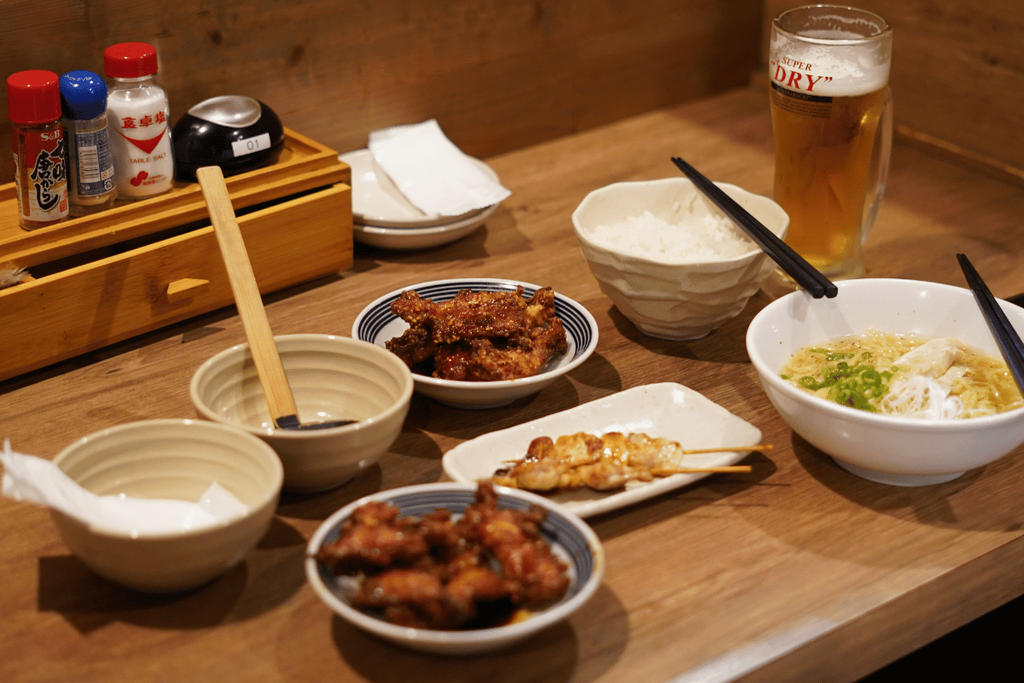
Photo: Pexels
Pairing food and drinks is an important part of the dining experience in Japan. While there are no strict rules, certain combinations have become classics because the flavours work so well together. Exploring these pairings can help travellers better appreciate both the food and the drinks they are trying. Even simple combinations can highlight flavours that might otherwise go unnoticed.
Sushi and Sake
Sushi and sake remain one of the most well-known pairings in Japan. A light, clean sake can complement fresh seafood without overwhelming it, allowing the natural flavours of the fish to stand out. Different types of sushi may work better with different styles of sake, which is why many sushi restaurants offer recommendations. Trying a suggested pairing can be a great way to discover combinations you might not have chosen yourself. It is also an easy introduction to the wider world of sake.
Yakitori and Beer
Yakitori and beer are a favourite combination across Japan. The smoky, savoury flavour of grilled chicken skewers pairs naturally with the refreshing taste of a cold beer. This pairing is especially common at izakayas, where friends and coworkers gather after work. Because yakitori comes in many varieties, from simple salt-seasoned skewers to richer sauces, there is plenty of room to explore. It is casual, affordable, and easy for first-time visitors to enjoy.
Tempura and Wine
Many travellers are surprised to learn that tempura often pairs exceptionally well with white wine. The light texture of the batter and delicate flavour of seafood or vegetables work particularly well with crisp wines such as Koshu. In recent years, some restaurants have started offering dedicated wine pairings alongside tempura courses. This combination highlights how Japanese wine has developed alongside local cuisine. It is a pairing worth trying if you want something a little different.
Where to Enjoy Japan’s Food and Drink Scene
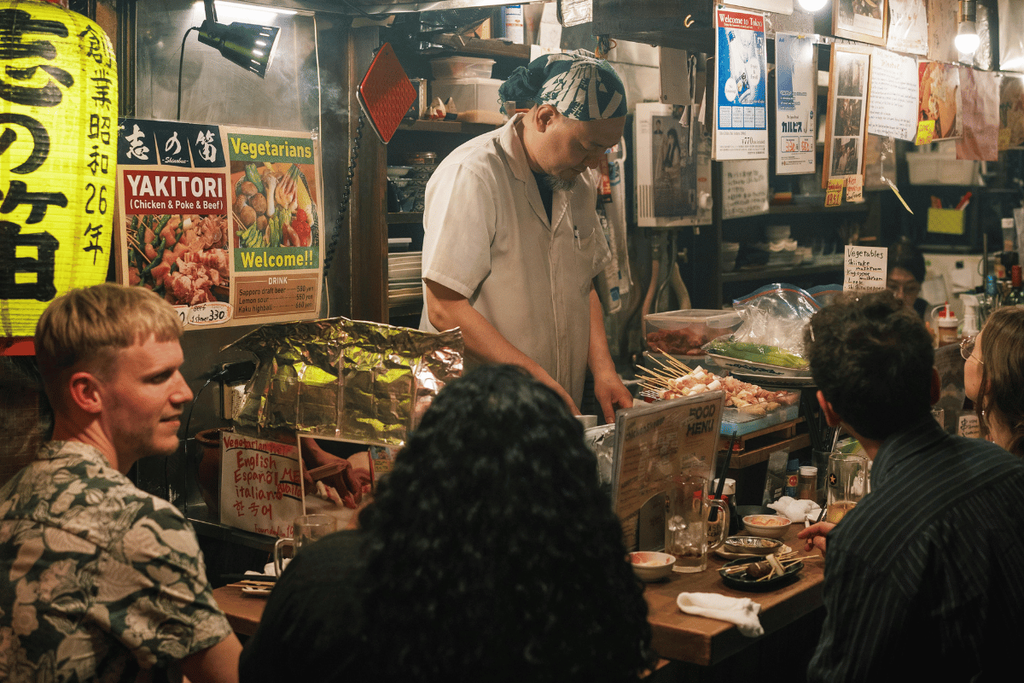
Photo: Pexels
Japan offers countless places to experience food and drink culture, and each dining style provides something slightly different. For many visitors, izakayas are the easiest place to start. These casual establishments serve a wide variety of small dishes designed for sharing, allowing diners to sample multiple flavours during a single meal. The atmosphere is usually relaxed and social, making them a great option for travellers looking to experience everyday dining culture. Many menus also include pictures, which can make ordering easier.
Travellers seeking a more traditional experience may want to try a kaiseki restaurant. Kaiseki meals typically consist of multiple carefully prepared courses that highlight seasonal ingredients and presentation. While these meals are often more expensive, they provide insight into the craftsmanship and attention to detail that define traditional Japanese cuisine. Many kaiseki restaurants also offer thoughtfully selected drink pairings that enhance the overall experience. For food lovers, it can be one of the highlights of a trip.
Wine bars have also become increasingly popular in cities such as Tokyo, Kyoto, and Osaka. These venues often feature both Japanese and international wines, giving visitors the opportunity to compare different styles. At the same time, sake breweries around the country offer tours and tastings that provide a deeper understanding of Japan’s most famous traditional drink. Whether you choose a casual neighbourhood restaurant, a modern wine bar, or a historic brewery, there are countless ways to explore Japan through food and drink. Sometimes the most memorable experiences come from simply following a local recommendation and trying something new.
Summary
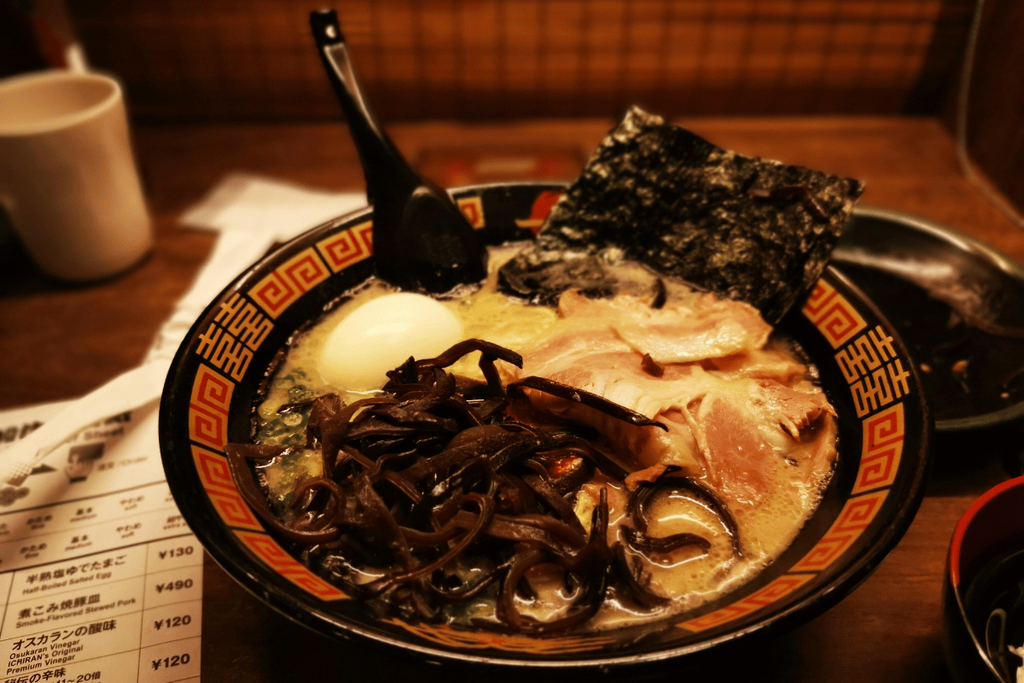
Photo: Unsplash
Japan’s food and drink culture is far more diverse than many first-time visitors expect. Alongside world-famous dishes such as sushi and ramen, travellers can discover regional specialties, traditional drinks, local wines, and unique dining experiences that vary from one destination to another. Taking the time to explore different restaurants, flavours, and pairings can make your trip even more memorable. You do not need to be an expert to enjoy it, and some of the best discoveries often happen when you step outside your comfort zone. Every meal offers an opportunity to learn a little more about Japan and its culture.
Japan offers endless opportunities to explore through food and drink. Some of the best experiences come from stepping into a small local restaurant, ordering something unfamiliar, and discovering a new favourite dish or drink. A Japan eSIM can make those discoveries even easier by helping you search for restaurants, check opening hours, and translate menus while you’re out exploring. Having reliable mobile data also makes it easier to adjust your plans and find recommendations on the go. Enjoy the journey, try plenty of local flavours, and make the most of every meal during your time in Japan.
Enjoy the journey, try plenty of local flavours, and make the most of every meal during your time in Japan. Here’s to great food, great drinks, and an unforgettable trip.