
Introduction
Many first-time visitors to Japan start with the same route.
Tokyo. Kyoto. Osaka.
Those cities are worth visiting, but they can also feel intense. Large stations, crowded sightseeing spots, restaurant decisions, hotel locations, train transfers, and language barriers can make the trip feel harder than expected.
At the same time, many travelers hesitate to explore regional Japan.
They wonder:
- Will transportation be too confusing?
- Will English signs disappear?
- Do I need to rent a car?
- What if I miss a rural train or bus?
- Can I enjoy hot springs if I do not know the etiquette?
- Will restaurants be hard to use without Japanese?
This is where Japan travel packages can help. A good package does not only save time. It reduces the small stresses that make first-time travel tiring.
And if you want to experience regional Japan without feeling overwhelmed, Kyushu is one of the best places to start.
Kyushu offers hot springs, local food, scenic trains, volcanic landscapes, relaxed cities, and smaller crowds than many classic tourist routes. It feels different from Tokyo and Kyoto, but not impossible for beginners.
In this article you will learn:
- what Japan travel packages usually include
- when packages are worth using
- when independent travel works better
- why Kyushu is great for first-time visitors
- how to compare package value against DIY travel
- common mistakes to avoid before booking
Getting around Japan becomes much easier when you can check maps, train routes, opening hours, booking pages, and translation apps while traveling.
Stay connected in Japan with an eSIM.
What Are Japan Travel Packages?
Japan travel packages bundle several travel services into one booking.
Depending on the package, this may include:
- flights
- hotels
- airport transfers
- trains or buses
- guided tours
- entrance tickets
- some meals
- luggage forwarding
- local experiences
Packages vary widely.
Some are fully guided group tours where you follow a fixed schedule every day. Others only arrange hotels and transportation while giving you free time to explore.
The key is understanding what kind of support you actually need.
For first-time visitors, the biggest benefit is not always saving money.
It is reducing travel friction.
Japan is safe, clean, and organized, but first-time visitors still face many small decisions every day.
Like:
- which train platform to use
- which station exit to take
- whether a restaurant needs reservations
- how to move luggage between cities
- what to do if a bus runs only a few times a day
- how to understand onsen rules
- how to adjust plans when it rains
A good travel package removes some of those problems. A bad one removes your freedom without solving the real stress.
Types of Japan Travel Packages
Fully Guided Group Tours
You travel with a group and follow a fixed schedule.A guide handles transportation, check-ins, sightseeing explanations, and many practical details.
These tours work best for travelers who feel nervous about navigation, dislike planning, or want support in places with complicated transportation.
Families and older travelers often appreciate them because luggage movement, train transfers, and timing become much easier.
The downside is flexibility.
You may need to wake up early every day, follow fixed restaurant schedules, and move through sightseeing spots faster than you would independently.
Fully guided tours can work particularly well in Kyushu if the route includes rural areas such as Aso, Kurokawa Onsen, Takachiho, or Kirishima, where buses and local transportation require more planning than many first-time visitors expect.
Semi-Guided Packages
Semi-guided packages offer a middle ground.
The company may arrange hotels, major transportation, and selected experiences while leaving the rest of the day flexible.
For many first-time visitors, this becomes the most comfortable balance.
You receive support where Japan feels difficult, but still have freedom to choose restaurants, explore side streets, or slow down when tired.
In Kyushu, this style works especially well. A package might organize transportation between Fukuoka, Beppu, and Yufuin while leaving evenings open for ramen shops, izakaya, local cafes, or extra onsen visits.
Flight and Hotel Packages
This is the simplest type.
You bundle flights and hotels together, then handle everything else independently.
Travelers who already feel comfortable using Google Maps, booking apps, and online train information often prefer this approach because it keeps the trip flexible.
The tradeoff is that you still need to organize transportation, sightseeing, restaurant reservations, and regional logistics yourself.
Themed Packages
Some travel packages focus on a specific interest rather than general sightseeing.
Examples include:
- onsen-focused trips
- food tours
- scenic rail journeys
- cherry blossom routes
- autumn foliage travel
- hiking experiences
- cultural workshops
Kyushu works especially well for this style because the region combines strong food culture, famous hot spring towns, volcanic scenery, and excellent train routes.
In some cases, a themed package creates access that would be difficult to arrange independently.
Why Kyushu Is Great for First-Time Visitors
Many travelers assume regional Japan is only for experienced visitors.
Kyushu proves that this is not always true.
It gives travelers a strong regional Japan experience without immediately feeling like “hard mode” travel.
Fukuoka Is an Easy Starting Point
Fukuoka is one of Japan’s most comfortable cities for first-time visitors.
It feels lively but not overwhelming.
Compared to Tokyo, the city is easier to navigate. Food areas are more compact. Train transfers feel simpler. Even the airport is unusually close to the city center, which makes arrival far less stressful after a long international flight.
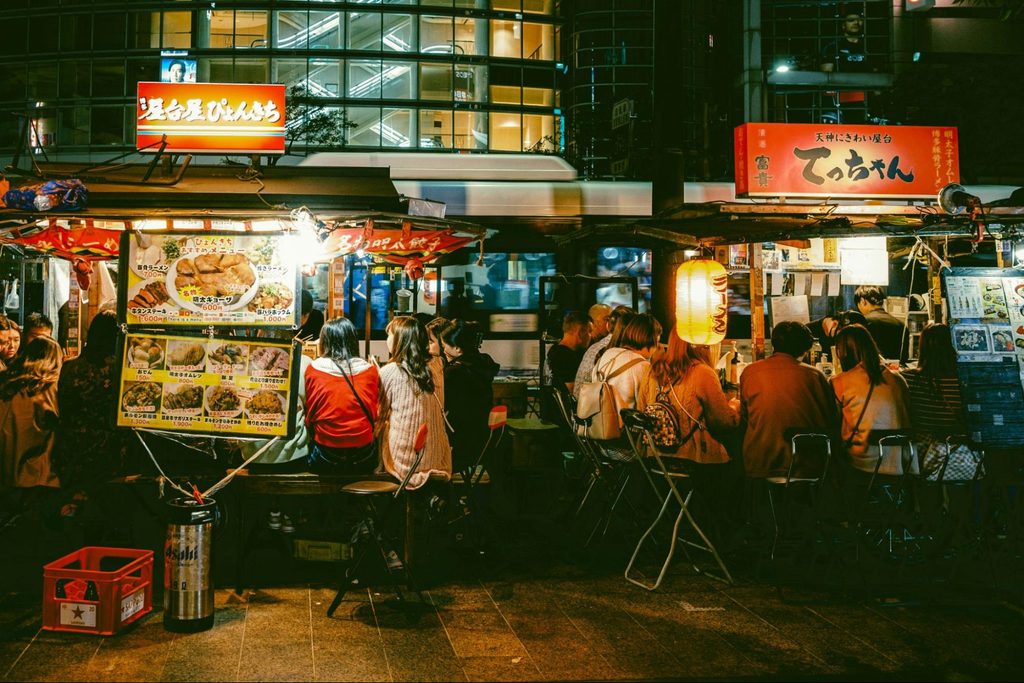
For travelers nervous about regional Japan, Fukuoka(Kyushu’s largest city) works well as a soft landing.You can eat ramen late at night, explore shopping streets, use trains comfortably, and still feel connected to everyday Japanese city life.

Kyushu Has Strong Food Appeal
Food is one of the easiest ways to enjoy Japan, even when the language feels intimidating.
Kyushu is especially strong for:
- tonkotsu ramen
- seafood
- wagyu
- local izakaya
- hot spring cuisine
- regional sweets
- market-style eating
Many first-time visitors remember ordinary meals more vividly than major sightseeing spots.
A bowl of ramen after a long train ride.
Grilled seafood near a coastal town.
Breakfast at a ryokan before an early morning bath.
A small izakaya where you cannot fully read the menu, but the atmosphere still feels welcoming.
These moments make Kyushu feel approachable rather than intimidating.
Hot Springs Make the Trip Feel Different
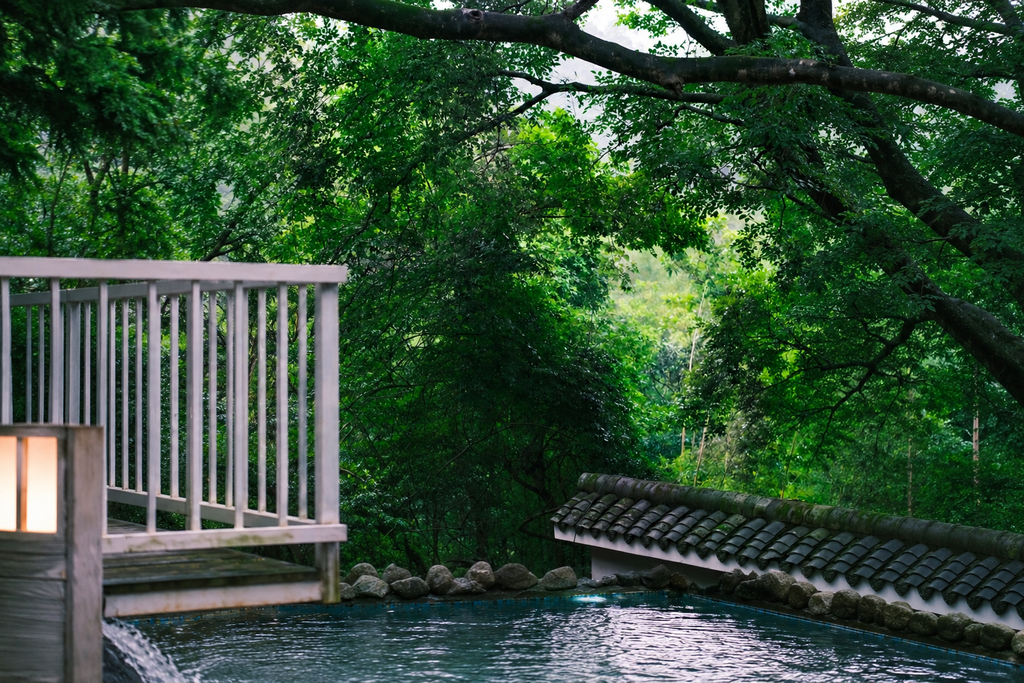
Kyushu is one of Japan’s best regions for onsen travel.
Beppu, Yufuin, Kurokawa Onsen, Kirishima, and other areas each offer completely different atmospheres.
For first-time visitors, onsen can feel exciting and stressful at the same time.
Questions about etiquette are common:
- Are tattoos allowed?
- Are baths separated by gender?
- Do I need reservations?
- What should I bring into the bath area?
This is where packages and semi-guided trips can genuinely help.
A good operator can choose beginner-friendly accommodation, explain the rules clearly, and remove uncertainty before arrival.

Kyushu Feels Less Crowded Than Classic Tourist Routes
Tokyo and Kyoto are unforgettable, but they can also feel exhausting during busy seasons. Kyushu often gives travelers more breathing room.
There are still busy areas, especially around stations and famous sightseeing spots, but the overall pressure usually feels lower than in Japan’s most heavily visited destinations.
Less crowd pressure means:
- easier time walking around
- calmer meals
- fewer long lines
- less rushing between attractions
- more energy at the end of the day
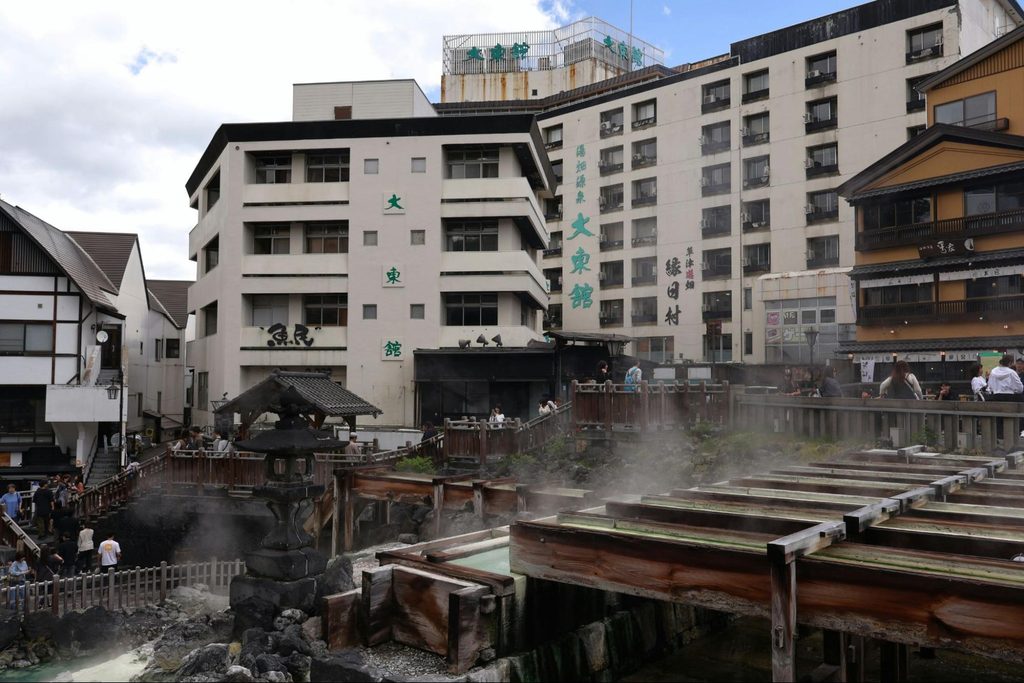
A single day in Kyushu can feel surprisingly varied. You might start the morning beside steaming hot spring streets in Beppu, ride through green mountain scenery during the afternoon, and end the night eating ramen beneath glowing lanterns in Fukuoka.
Is a Japan Travel Package Worth It in Kyushu?
In many cases, yes.
But not for every traveler. A package becomes valuable when it removes the parts of the trip that would otherwise drain your time, confidence, or energy.
It becomes less useful when it only adds cost while reducing flexibility.
When Packages Make Sense in Kyushu
Packages are particularly helpful if your dream route includes:
- multiple onsen towns
- mountain areas
- volcano regions
- rural buses
- ryokan stays
- scenic rail routes with reservations
- destinations with limited English support
Kyushu is manageable, but certain areas require more coordination than many travelers expect.
For example:
- Aso may require careful transport timing.
- Kurokawa Onsen is easier with organized transfers.
- Takachiho becomes awkward without a car or tour bus.
- Kirishima may involve local buses and taxis.
- Scenic trains often require advance reservations.
In these situations, package support often improves the trip instead of making it feel restrictive.
When Independent Travel Works Better
Independent travel may suit you better if you:
- enjoy planning
- prefer flexible pacing
- want to choose restaurants freely
- feel comfortable using navigation apps
- want stronger budget control
- plan to stay mainly in larger cities
Japan is one of the easier countries in Asia for independent travel. Trains are reliable. Major stations include English signs. Convenience stores are everywhere. Hotels are easy to book online.
But independent travel depends heavily on your phone.
You will likely use it constantly for:
- train routes
- bus schedules
- map directions
- translations
- restaurant searches
- weather updates
- booking confirmations
Reliable mobile data becomes especially useful in regional Japan, where route information, bus timing, and weather conditions may change throughout the day.
Japan eSIM Guide for Travelers
How to Choose the Right Japan Travel Package
Before booking, do not ask only:
“Is this package cheap?”
Ask yourself something more useful:
“Does this package solve the right problems for my trip?”
Check What Is Actually Included
Read the details carefully.
Check:
- Are flights included?
- Are airport transfers included?
- Are trains or buses included?
- How many meals are included?
- Are entrance tickets included?
- Is luggage forwarding included?
- Are optional tours extra?
- Are ryokan dinners included?
Some packages appear affordable at first but add many extra costs later.
Check How Much Free Time You Have
A package with no free time can become exhausting quickly.
Japan is not only about major attractions.
You also need time to:
- rest
- wander
- discover local restaurants
- revisit places you enjoyed
- adjust for weather
- enjoy unplanned moments
In Kyushu, free time matters even more. A quiet evening walk in Yufuin or an extra hour inside an outdoor bath in Beppu may become more memorable than a packed sightseeing schedule.
Check Hotel Location Carefully
Hotel location can completely change your experience.
A hotel may look good online but still feel inconvenient if it is far from stations, restaurants, or evening areas.
Check:
- nearest station
- walking distance
- station exits
- luggage accessibility
- nearby restaurants
- taxi availability
In Japan, the wrong station exit can easily add unexpected walking time, especially with luggage.
Check Group Size
Group size affects the atmosphere more than many travelers expect.
Large groups often move slowly because of:
- restroom stops
- boarding delays
- regrouping
- photo breaks
- restaurant coordination
Smaller tours usually feel smoother and more personal.
Private tours offer the most flexibility, though they are usually more expensive.
Check Cancellation Rules
Travel plans change.
Before paying, confirm:
- cancellation deadlines
- refund conditions
- date-change options
- weather policies
- flight delay rules
- travel insurance coverage
Do not assume that flexibility is possible unless clearly written as such.
Recommended Kyushu Package Styles
1. Fukuoka and Beppu: Easy City Plus Onsen
This is one of the strongest first-time Kyushu combinations.
Fukuoka gives travelers city comfort, nightlife, shopping, and excellent food. Beppu adds steam-filled streets, hot springs, and a completely different atmosphere.
Good fit for:
- first-time visitors
- food-focused travelers
- onsen beginners
- travelers wanting a manageable regional route
The contrast works well because travel between the two areas is relatively simple while the atmosphere changes dramatically.
Time required: About 4 to 6 days
Best time: Spring or autumn, because walking and onsen exploration feel more comfortable.
Access or Booking: Works well as a semi-guided package or an independent route with hotel and rail support.
Official website: Official tourism website placeholder
2. Yufuin and Kurokawa Onsen: Slow Ryokan Travel
Yufuin and Kurokawa feel quieter and slower than most major tourist cities. Traditional inns, mountain scenery, small cafes, and outdoor baths create a calmer rhythm.
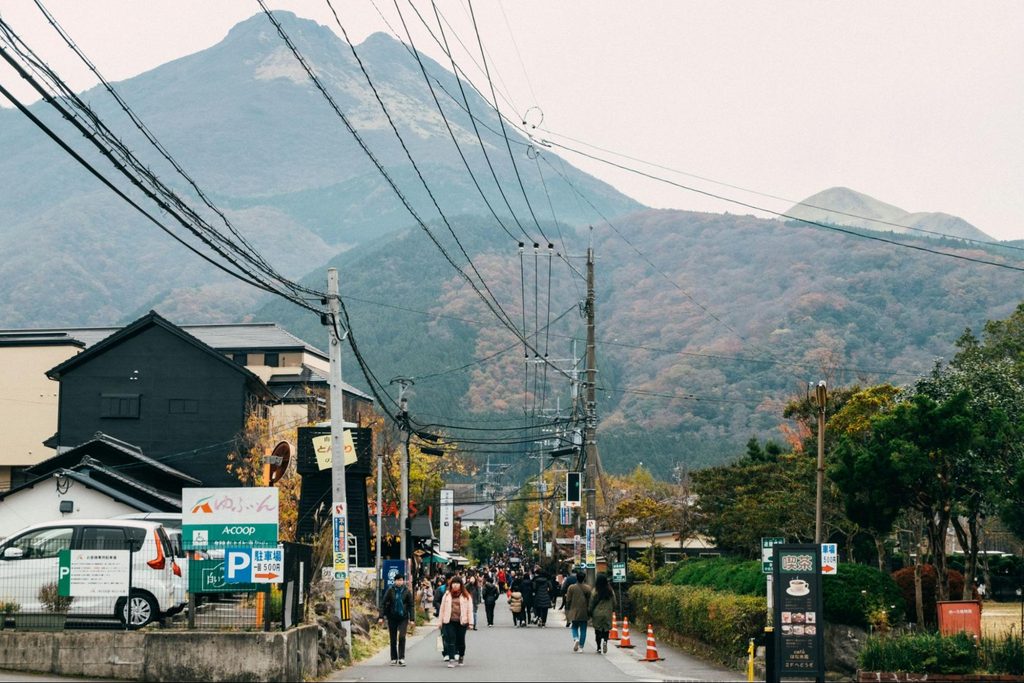
Photo: Unsplash
This route suits travelers who want slower pacing, quieter evenings, and more time inside traditional onsen towns rather than busy cities.
Package support becomes useful here because transportation between smaller towns is less straightforward.
Time required: About 2 to 4 days
Best time: Spring and autumn, because mountain scenery and outdoor walking conditions are especially pleasant.
Access or Booking: A package or organized transfer can reduce transport stress significantly.
3. Kagoshima and Sakurajima: Volcanic Japan
Kagoshima offers a side of Japan many first-time visitors do not expect.
The constant presence of Sakurajima changes the atmosphere completely. Ferries move across the bay while volcanic scenery dominates the horizon.
This route works especially well for travelers interested in nature, unusual landscapes, and regional cities outside the standard tourist route.Food also becomes part of the experience here. Local seafood, black pork dishes, and relaxed waterfront dining give the area a distinct identity.
Time required: About 3 to 5 days
Best time: Spring or autumn, because outdoor sightseeing is more comfortable.
Access or Booking: Check ferry schedules, weather conditions, and local transport before traveling.
Official website: Kagoshima City Tourism Official Website
Location: Sakurajima Google Maps
4. Scenic Rail and Food Route
Unlike crowded commuter trains in Tokyo, scenic rail routes in Kyushu often become part of the experience itself.
Large windows, slower pacing, and constantly changing countryside scenery make movement between destinations feel memorable rather than tiring.
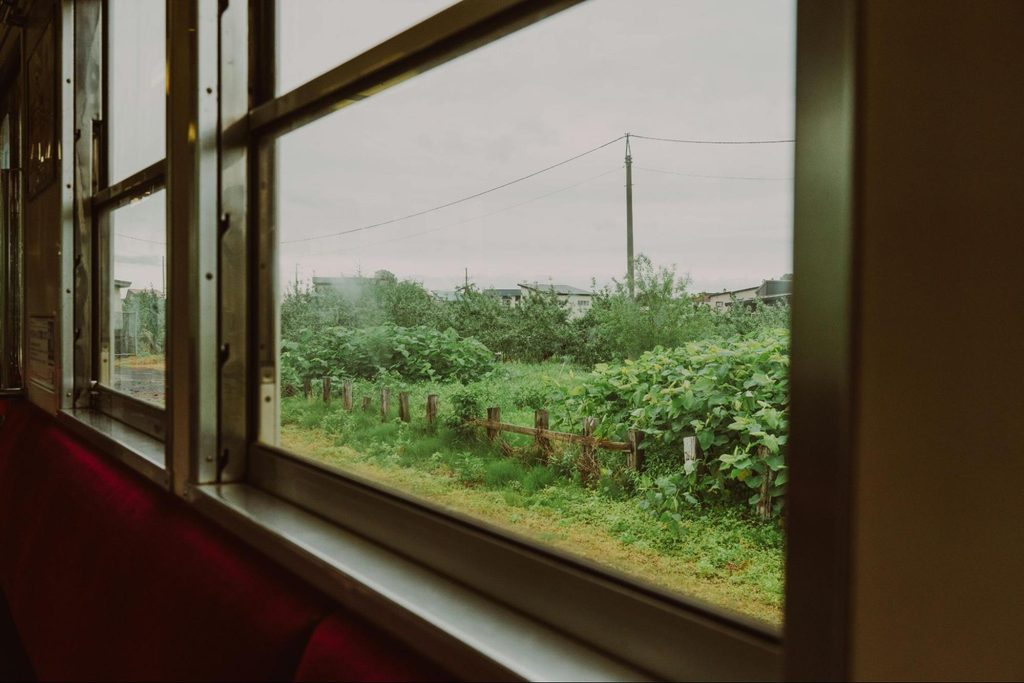

Train-focused travelers and photographers usually enjoy this route most, especially if they prefer countryside scenery and relaxed pacing over fast city-hopping itineraries.
Time required: Flexible
Best time: Year-round, though clear weather improves visibility and scenery.
Access or Booking: Seat reservations may be required during busy seasons.
Official website: JR Kyushu Official Railway Website
Booking: JR Kyushu Train Reservation
Recommended Approaches by Traveler Type
First-Time Visitor With Moderate Anxiety
Best approach: Semi-guided Kyushu package.
Why it works:
- transport and hotels are handled
- you still have free time
- you gradually learn how regional Japan works
- planning pressure becomes lower
Suggested route: Fukuoka, Beppu, and Yufuin.
Family or Multi-Generational Group
Best approach: Small guided package.
This reduces decision fatigue and makes luggage handling easier while keeping transportation more predictable.
Check walking distance, stairs, and hotel accessibility carefully before booking.
Confident Independent Traveler
Best approach: Book hotels and trains independently, then add day tours where useful.
This gives maximum flexibility while still allowing guided support in more complex areas.
Popular add-ons include:
- food tours in Fukuoka
- Beppu onsen experiences
- Aso day trips
- scenic train reservation support
Short Japan Trip With a Regional Add-On
Best approach: Tokyo or Osaka plus a short Kyushu section.
This works well for travelers who still want major Japan highlights while adding food, onsen, and regional atmosphere without turning the entire trip into a complicated rural itinerary.
Common Mistakes to Avoid
Trying to Visit Too Many Places
Kyushu is larger than many travelers expect.
An itinerary including Fukuoka, Beppu, Yufuin, Nagasaki, Kumamoto, Aso, and Kagoshima in one short trip may look exciting online but often becomes exhausting in reality.
For first-time visitors, 2 to 3 main bases usually work better.
Assuming Rural Transportation Is Simple
Major cities are manageable. Rural buses, mountain areas, and smaller onsen towns can become more complicated quickly.
Always check:
- last train times
- bus frequency
- taxi availability
- luggage storage
- weather conditions
Choosing a Package Only Because It Is Cheap
A cheaper package may use inconvenient hotels, include fewer meals, rush through destinations, or leave out important transportation.
Check value, not just price.
Ignoring Onsen Rules
Onsen culture is one of Kyushu’s biggest attractions, but the rules matter.
Before booking, confirm:
- tattoo policies
- private bath options
- bath hours
- dinner schedules
- check-in timing
- meal inclusion
If you feel nervous, beginner-friendly ryokan or private baths often create a more comfortable first experience.
Not Leaving Free Time
A package that fills every hour can make Kyushu feel rushed. The region works best with some breathing room.
You need space for:
- hot springs
- local restaurants
- station cafes
- evening walks
- weather changes
- rest
Overpacking
Large suitcases become frustrating in regional Japan.
Stairs, buses, narrow ryokan entrances, and smaller stations make oversized luggage harder to manage than many travelers expect.
Use luggage forwarding whenever possible.
Practical Tips
Compare Package Value Against DIY Planning
Before booking, roughly compare the same route independently.
Check:
- flight costs
- hotel prices
- train or bus expenses
- guided tour costs
- meal inclusion
- luggage forwarding
- cancellation flexibility
If the package costs more, ask whether the convenience is genuinely valuable for your trip. Sometimes it absolutely is, especially when it removes difficult transfers or family travel stress.
Read Recent Reviews
Look for reviews written recently.
Pay attention to comments about:
- pacing
- hotel quality
- hidden costs
- guide quality
- free time
- food quality
- group size
Recent reviews usually reveal the real experience better than promotional descriptions.
Ask About Luggage Forwarding
Luggage forwarding can completely change the comfort level of regional travel.
Instead of dragging suitcases through stations and buses, travelers can often send bags directly to the next hotel.
This becomes especially useful in onsen towns.
Prepare for Weather Changes
Kyushu includes mountains, coastlines, volcano regions, and hot spring towns.
Weather can affect:
- train views
- ferry schedules
- walking comfort
- outdoor sightseeing
- mountain access
Bring comfortable shoes and a compact umbrella.
Keep Restaurant Plans Flexible
Rural restaurants may close earlier than expected or require reservations.
Cities like Fukuoka allow more spontaneity.
A good balance is:
- reserve important meals
- keep casual meals flexible
- check opening hours before visiting smaller towns
Use Your Phone Actively
A smartphone is not just convenient in Japan. It becomes part of how most travelers move confidently.
You will likely use it constantly for:
- maps
- translation
- train timing
- restaurant searches
- weather updates
- booking confirmations
- route changes
A stable eSIM or Wi-Fi connection prevents many small problems before they become stressful.
Summary
Japan travel packages are most valuable when they reduce the parts of travel that would otherwise drain your energy.
For first-time visitors, Kyushu works especially well because it combines a regional atmosphere with relatively approachable travel infrastructure.
You can experience:
- hot spring towns
- local food culture
- scenic rail journeys
- volcano landscapes
- quieter cities
- slower pacing
without feeling completely disconnected from familiar travel systems.
For many travelers, the best approach is neither fully guided nor fully independent. Use support where Kyushu becomes complicated: rural buses, onsen towns, scenic train reservations, or family logistics. Travel independently where things feel easier: city walks, casual meals, shopping streets, and relaxed evenings in Fukuoka.
That balance gives first-time visitors confidence without removing discovery.
Whether you choose a package or independent travel, reliable internet access makes moving through regional Japan dramatically easier. You can check routes, translate menus, confirm reservations, and adjust plans while traveling. Stay connected in Japan with an eSIM.