Introduction
Photo: Unsplash
Visiting a Japanese hot spring, or onsen, is often one of the most memorable parts of a trip to Japan. Relaxing in warm natural water while enjoying peaceful surroundings feels very different from visiting busy cities, shopping streets, or famous tourist attractions. After a long day of walking, sightseeing, or riding trains, many travelers find an onsen to be the perfect place to rest both their body and mind. However, many visitors are surprised to learn that tattoos may affect whether they can enter certain onsen. This information is not always easy to find before a trip, so it is common for travelers to feel confused or unsure about what to expect before they arrive.
Tattoo rules are different at every onsen, and there is no single rule that applies across Japan. Some traditional onsen still do not allow tattoos because of long-standing customs, while many modern facilities have become more welcoming as the number of international visitors has grown. Some allow small tattoos if they are covered, while others offer private baths for guests with larger tattoos. Because every onsen decides its own policy, checking the rules before your visit is always a good idea. This guide explains why tattoo rules exist, what you can expect when visiting an onsen, and how to enjoy this unique part of Japanese culture even if you have tattoos. With a little preparation and the right understanding, it is much easier to find an onsen that suits your needs and enjoy the experience with confidence.
Understanding Tattoo Rules in Onsen

Photo: Pexels
Many people are surprised to learn that tattoo rules are different at every onsen in Japan. There is no single rule that all onsen follow. Most tattoo policies come from history and local customs, not from Japanese law. Years ago, tattoos were often connected with organized crime groups, so many traditional bathhouses decided not to allow guests with tattoos. These rules have stayed in place for many years because many regular customers still expect them. That is why you may still see signs at the entrance saying that tattoos are not allowed. It can seem strict at first, but in most cases, the rule is based on tradition rather than a personal opinion about visitors.
Today, many onsen are becoming more welcoming to international travelers. Some modern facilities have changed their policies and now accept guests with tattoos. Instead of saying no to everyone with tattoos, they may ask guests to cover small tattoos with special stickers or patches. If you have larger tattoos, you may be able to use a private bath instead. Since every onsen makes its own rules, the policy can be very different from one place to another. This is why it is always a good idea to check before you visit.
Popular hot spring areas like Hakone and Beppu usually have more experience with overseas visitors, so it is often easier to find tattoo-friendly onsen there. Even so, not every facility has the same policy. One onsen may welcome guests with tattoos, while another nearby may not. Checking the rules on the official website or contacting the onsen before your trip can help you avoid surprises. Once you know that every onsen has its own rules, it becomes much easier to choose a place where you can relax and enjoy the experience.
Why Tattoos Are Restricted in Some Places
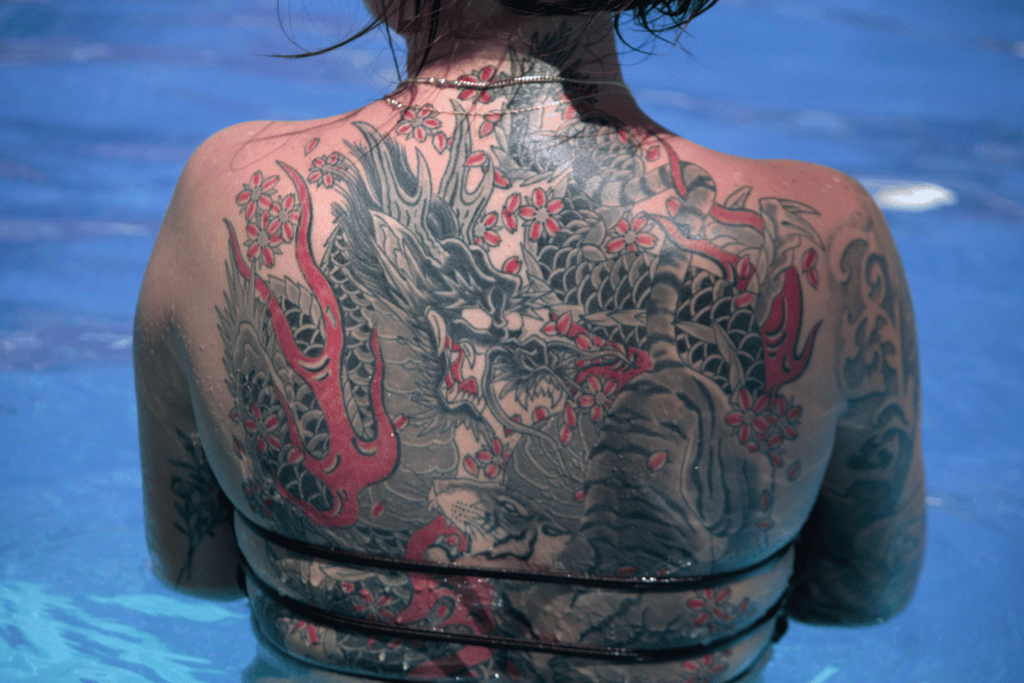
Photo: Unsplash
Many people think tattoo restrictions at onsen are a strict cultural rule, but the reason is usually more practical than that. Onsen are shared spaces where people come to relax, enjoy the hot water, and spend quiet time away from busy daily life. For many years, tattoos were linked with organized crime groups in Japan, and this changed how many people felt about seeing tattoos in public baths. Because of this history, many onsen decided not to allow guests with tattoos. These rules have continued over the years because many regular visitors are used to them and expect the same atmosphere every time they visit.
The way people use an onsen is also one reason why some places keep these rules. Guests bathe together without clothing, and everyone shares the same bathing area. Since people are close to each other in a quiet space, some guests may notice tattoos more than they would in other public places. Smaller or more traditional onsen often want to make sure that all visitors feel relaxed and comfortable during their stay. Although these rules may seem strict to international travelers, they are usually meant to help everyone enjoy a calm and pleasant bathing experience.
Today, things are slowly changing as more people visit Japan from around the world. Many onsen have started to welcome guests with tattoos by allowing small tattoos to be covered or by offering private baths that can be reserved in advance. In popular hot spring towns like Kusatsu Onsen, you can often find both traditional bathhouses and modern facilities with different tattoo policies. This gives travelers many more choices than before and makes it much easier to find an onsen that matches their needs and travel plans.
Tattoo-Friendly Onsen and Alternative Options
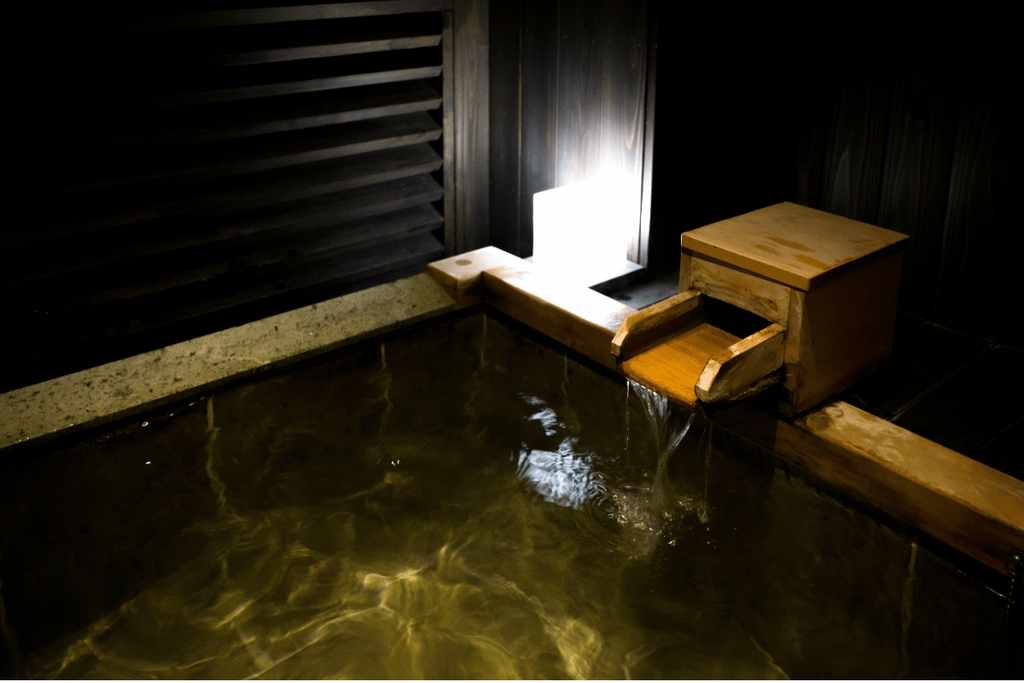
Photo: Unsplash
Tattoo-friendly onsen are becoming easier to find across Japan, especially in places that welcome many international travelers every year. Some onsen allow guests with tattoos without any special conditions, while others ask visitors to cover small tattoos with stickers or patches before entering. Once you are inside, the experience is the same as at any other onsen. You can enjoy the hot spring, relax in the peaceful surroundings, and experience Japanese bathing culture without feeling worried about the rules before your visit. Many travelers are surprised to find that these onsen offer the same relaxing atmosphere and traditional experience as any other hot spring.
If you cannot find a tattoo-friendly onsen, a private bath is another great choice. These baths are called “kashikiri onsen”, and they can be reserved for you, your family, or your friends. Because you use the bath by yourself, tattoo rules are usually much more relaxed than in shared bathing areas. Many travelers choose this option because it offers more privacy and lets them enjoy the experience at their own pace. It is also a popular choice for couples, families with children, and small groups who want to spend time together without worrying about other guests.
Private baths come in many different styles. Some are simple indoor baths, while others are beautiful outdoor baths with views of forests, mountains, or rivers. At popular hot spring destinations such as Beppu, many hotels and ryokan have private baths that guests can reserve during their stay. Some properties even offer baths attached directly to guest rooms, making the experience even more convenient. Since the most popular time slots can fill up quickly, making a reservation in advance is a good idea. Planning ahead makes it easier to include a private bath in your trip and enjoy an onsen experience without any unnecessary stress or last-minute surprises.
How to Prepare Before Visiting an Onsen
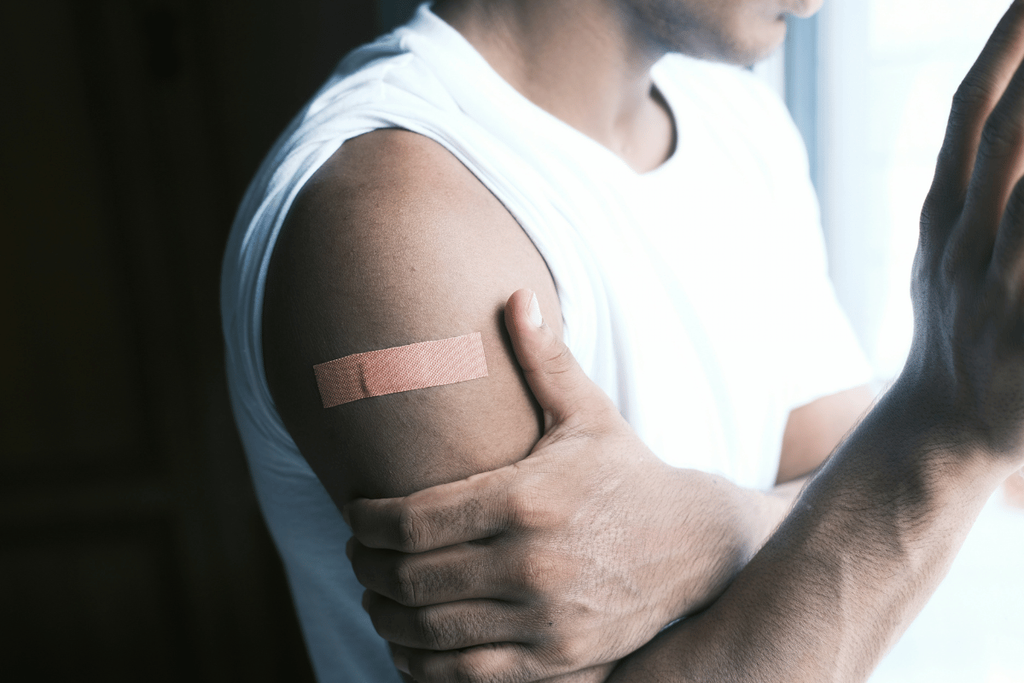
Photo: Unsplash
Getting ready before visiting an onsen can make your trip much easier, especially if you have tattoos. One useful item to bring is a waterproof tattoo cover patch. These patches are easy to find at many convenience stores, drugstores, and pharmacies in Japan. They are made to cover small tattoos and may help you enter onsen that allow covered tattoos. Keeping a few patches in your bag gives you more flexibility, especially if you decide to visit an onsen during your trip without making plans in advance.
It is also a good idea to check the tattoo policy before you visit, especially if there is a particular onsen you want to try. Many onsen now explain their rules on their official websites, and some also provide information in English for overseas visitors. If you cannot find a clear answer, you can ask hotel staff for help to contact the onsen directly. Taking a few minutes to check before you go can save time later and help you avoid unexpected problems at the entrance. It also makes it easier to enjoy your visit with confidence.
Making a reservation is another step that can make your trip go more smoothly, especially if you want to use a private bath or visit a popular hot spring area. Some onsen require reservations or have fixed time slots, while others accept walk-in guests if space is available. During weekends, holidays, and busy travel seasons, popular time slots can fill up quickly. Planning ahead gives you more choices, helps you avoid disappointment, and makes it easier to fit an onsen visit into the rest of your travel plans.
Common Onsen Entry Situations for Tattooed Travelers
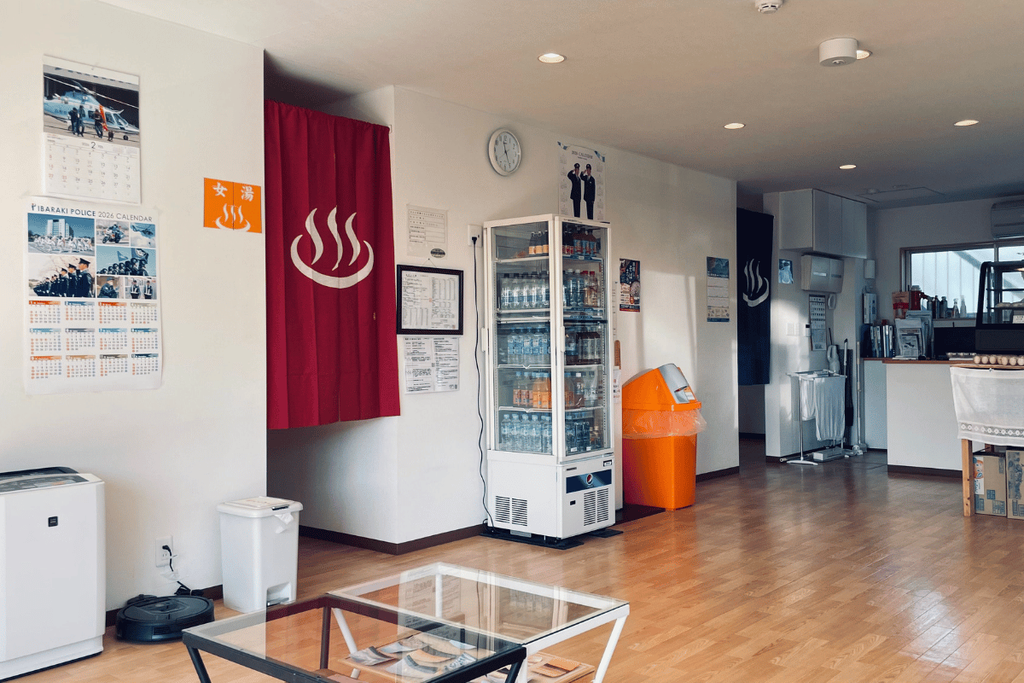
Photo: Pexels
Tattoo-related situations at onsen are often much simpler than many travelers expect before coming to Japan. While every onsen has its own rules, most situations follow a few common patterns. Staff may check whether your tattoo can be covered, recommend using a private bath, or politely explain that entry is not possible. These conversations are usually calm, friendly, and respectful. The staff are simply following the facility’s policy, and they are not trying to make visitors feel uncomfortable. Knowing what may happen before you arrive can help you feel more confident and avoid unnecessary stress. With a little preparation, it is much easier to enjoy your visit and focus on the relaxing experience instead of worrying about the rules.
Small Tattoos and Cover Patch Acceptance
Small tattoos are often accepted at many onsen if they can be completely covered with a waterproof patch. Modern facilities that welcome international travelers are usually familiar with these patches and may even sell them at the reception desk. Once the tattoo is fully covered, guests are often allowed to enter without any other special conditions. This makes small tattoos much easier to manage than many travelers first expect, especially in popular tourist areas.
However, every onsen has its own policy, and there is no official definition of what counts as a “small” tattoo. A design that seems small to you may still be considered too large at some facilities. Some onsen may also check whether the patch completely covers the tattoo before allowing entry. Because of these differences, it is always worth checking the rules on the official website before your visit if possible. If you are still unsure, asking a staff member before entering is the easiest way to avoid confusion. It is also a good idea to keep another onsen or a private bath as a backup option, so you can easily change your plans if needed.
Large Tattoos and Private Bath Strategy
If you have larger tattoos, booking a private bath is usually the easiest and most comfortable choice. A private bath removes any uncertainty because you do not share the bathing area with other guests. Many ryokan and resort hotels offer private baths that can be reserved in advance or during your stay. Some accommodations even have private open-air baths attached to guest rooms, allowing you to enjoy the hot spring whenever you like. Although there is sometimes an additional fee, many travelers feel the extra privacy, comfort, and flexibility are well worth the cost.
Private baths also provide a quieter and more personal experience. You can take your time, enjoy the hot spring at your own pace, and admire beautiful views of mountains, forests, gardens, or rivers without worrying about other guests. This makes them especially popular with couples, families with children, and anyone looking for a more relaxing visit. In famous hot spring areas such as Hakone, Beppu, and Kusatsu, many accommodations include private bath options, making them easy to add to your travel plans.
When Rules Are Unclear at the Entrance
Sometimes tattoo policies are not clearly displayed, especially at smaller or older onsen where English signs may not be available. If you cannot find the information, the best approach is to ask a staff member before entering the changing room. Staff will usually explain the policy clearly and let you know whether you can enter, need to cover your tattoo, or should use a private bath instead. Even if you do not speak Japanese, simple English or a translation app is often enough to communicate. Many tourist areas are used to helping international visitors, so these conversations are usually quick, polite, and easy.
If one onsen cannot accept tattoos, it does not mean you have to give up on the experience. In many hot spring towns, several onsen are located close to each other, and each one may have different policies. It is very common for travelers to visit more than one onsen during the same trip, especially in places with many hot spring facilities. Having a flexible plan gives you more choices and makes your trip much less stressful. With so many tattoo-friendly onsen and private bath options now available across Japan, most travelers can still enjoy a wonderful onsen experience with a little planning before they go.
Understanding How Locals Actually Think About Tattoos in Onsen
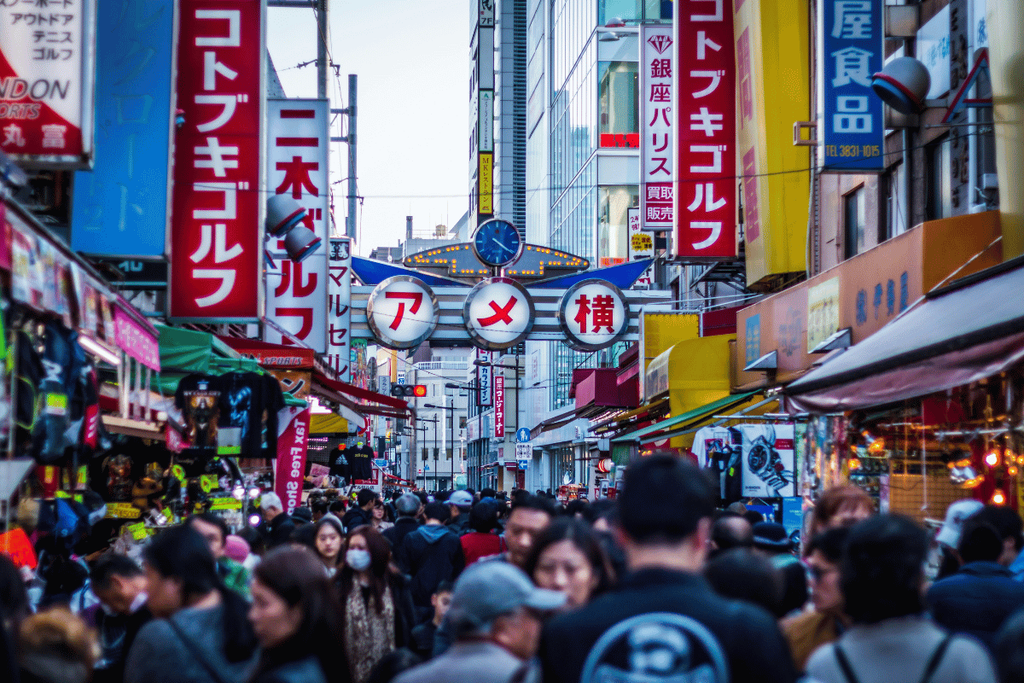
Photo: Unsplash
Many travelers think that everyone in Japan has the same opinion about tattoos, but this is not the case. People’s views can be very different depending on their age, personal experiences, and where they live. In general, younger people are more likely to see tattoos as a form of personal style or self-expression, while some older people still connect them with the past. Because of these different opinions, onsen owners usually try to create rules that make their regular guests feel comfortable rather than judging people who have tattoos. This is why each onsen has its own policy, even if two facilities are located in the same town.
Since every onsen serves different guests, tattoo policies can vary a lot from one place to another. A modern resort that welcomes many international visitors may allow tattoos or accept cover patches, while a small local bathhouse may continue to follow more traditional rules. Neither approach is unusual, and one is not necessarily better than the other. Each facility makes decisions based on its history, its local community, and the type of experience it wants to provide. Understanding this makes it much easier to accept that different onsen may have different policies, even when they are only a short distance apart.
When you ask about tattoo rules, the staff will usually give you a clear and polite answer. They are simply explaining the policy of their facility and helping you choose the best option. If tattoos are not allowed, they may recommend a private bath or suggest another onsen nearby that has a different policy. These conversations are normally short, friendly, and respectful, and there is no need to feel embarrassed about asking. Once you understand that every onsen follows its own rules, it becomes much easier to plan your visit and enjoy Japan’s hot spring culture with confidence.
The Difference Between Onsen Types and Why It Matters
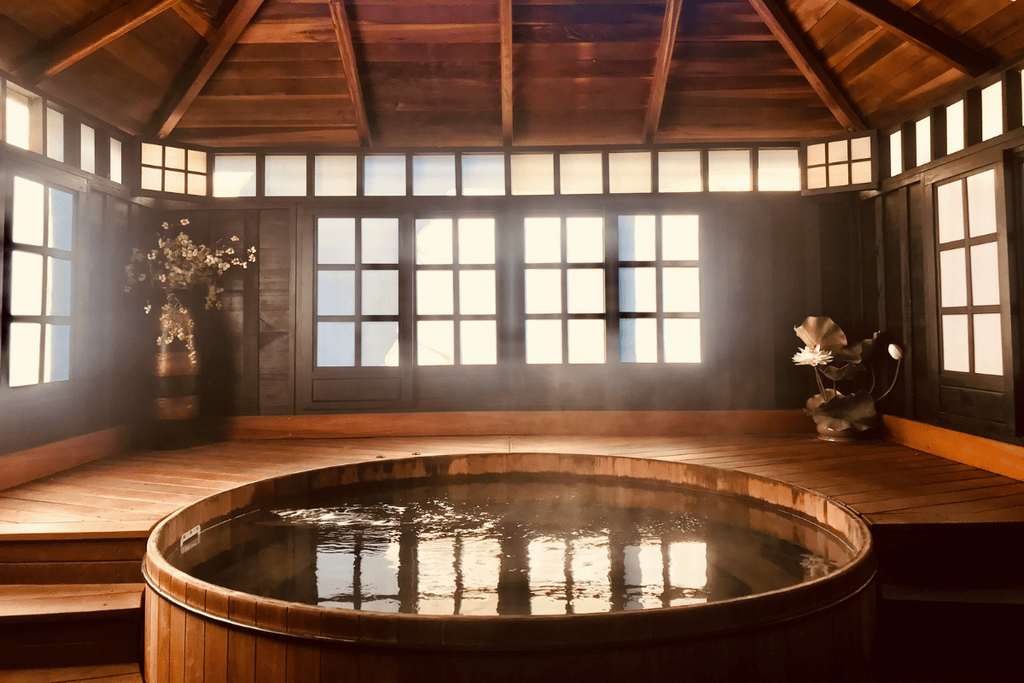
Photo: Unsplash
Not all onsen in Japan are the same, and knowing the different types can make it much easier to choose the right one for your trip. Tattoo policies often depend on the type of facility as well as the people who usually visit it. Public bathhouses, traditional ryokan, hotel onsen, and large spa resorts may all have different rules. Because of this, understanding what kind of onsen you are visiting is often more helpful than looking only at the location. Choosing the right type of facility can save time and help you avoid unexpected surprises.
Public bathhouses are often the most traditional option and are mainly used by local residents. Since many regular customers visit these baths, they may continue to follow long-standing tattoo policies. Ryokan and hotel onsen are often more flexible, especially in popular tourist destinations where international visitors are common. Many hotels also offer private baths or family baths, making them a good choice for travelers with tattoos. Large spa resorts can be quite different from one another. Some welcome guests with tattoos, while others still ask visitors to cover small tattoos or use private bathing areas instead.
Once you understand these differences, choosing an onsen becomes much easier. After looking at a few facilities, you can often guess which ones are likely to have more flexible tattoo policies before you even arrive. Checking the official website or asking your hotel staff can also help you make the right choice. With a little planning, it is much easier to find an onsen that matches your needs and enjoy one of Japan’s most relaxing travel experiences without unnecessary stress.
Summary
Photo: Unsplash
Tattoo rules at Japanese onsen are different from one place to another, so there is no single answer that applies everywhere. The policy often depends on the type of facility, its location, and the people who usually visit it. Some traditional onsen still do not allow tattoos, while many others have become more welcoming to international travelers. Once you understand that every onsen has its own rules, it becomes much easier to choose the right place and enjoy your visit without unnecessary worry.
The best approach is to look for options instead of focusing on the restrictions. Many onsen accept small tattoos if they are completely covered with a waterproof patch, while travelers with larger tattoos often find that private baths or hotel onsen are the most comfortable choice. Checking the rules before you visit, making a reservation when needed, and keeping a second option in mind can make your trip much smoother. With a little planning and flexibility, most travelers can enjoy Japan’s famous hot springs and experience this unique part of Japanese culture with confidence.
Having a Japan eSIM can also make your trip much more convenient. You can quickly check tattoo policies, search for nearby tattoo-friendly onsen, translate signs, contact a hotel, or make changes to your plans while traveling, even when you are away from public Wi-Fi. Staying connected makes it much easier to find helpful information whenever you need it and gives you more freedom to explore with confidence.
We hope this guide helps you enjoy your first onsen experience in Japan. Have a wonderful trip, take your time to relax, and enjoy discovering Japan’s hot spring culture at your own pace.