Introduction
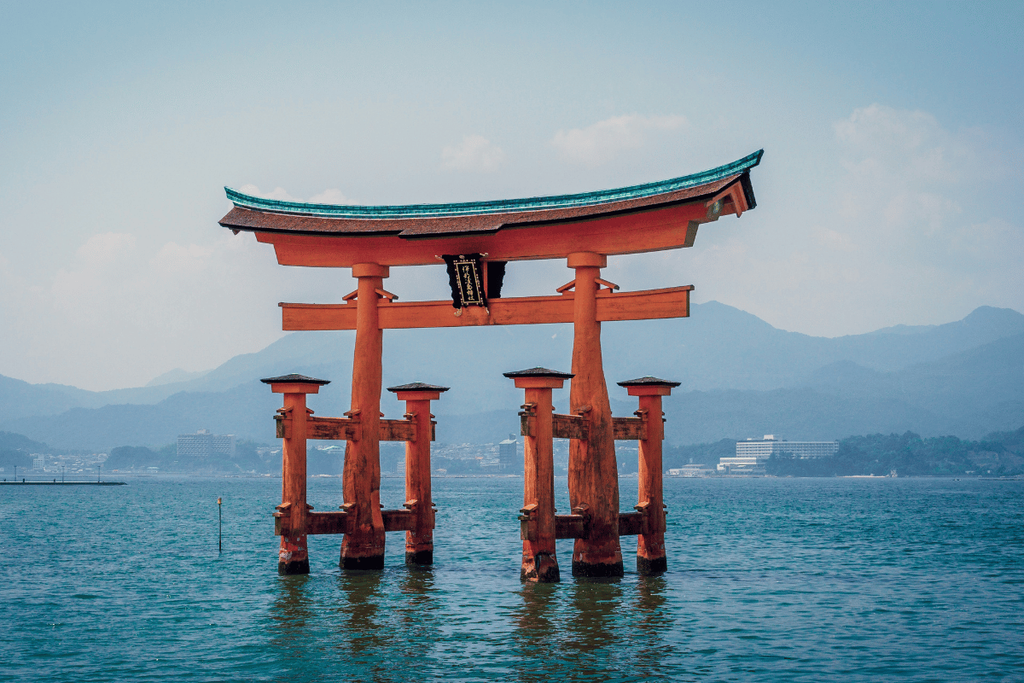
Photo: Unsplash
Thinking of doing a tour of Hiroshima in a single day? It can work — if you plan it right. A lot of people add Hiroshima onto a Kyoto or Osaka trip at the last minute, which often means focusing on the Peace Memorial and having to figure out the rest of the day as they go. This guide is about doing it properly.
Hiroshima is one of those cities that feels both heavy and genuinely enjoyable on the same day. The Peace Memorial Park and Museum are essential, no question. But the city also has great food, a walkable riverfront, and easy access to Miyajima Island — one of the most visually striking spots in Japan. One day is tight, but it’s absolutely doable.
In this article you will learn:
- How to structure a full day in Hiroshima without feeling rushed
- Which sights are actually worth your limited time and which you can skip
- How to fit Miyajima Island into a day trip itinerary
- Practical tips for getting there, getting around, and eating well
One thing worth sorting before you leave: connectivity. Getting online in Japan is straightforward if you plan ahead — a Japan eSIM means you’re navigating and translating the moment you step off the shinkansen. Check out Get Japanese eSIM for data plans that cover your whole trip.
Overview of Hiroshima as a Day Trip Destination
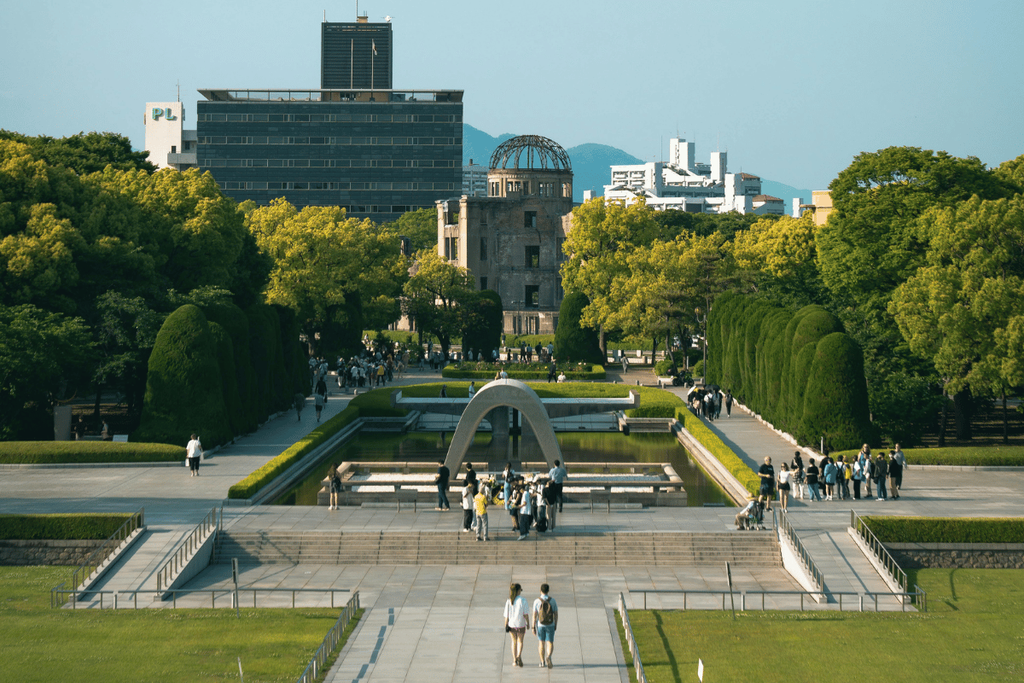
Photo: Pexels
Hiroshima sits in western Honshu, about 90 minutes from Osaka by shinkansen and just under 2 hours from Kyoto. That makes it one of the most accessible major day trips from the Kansai region — fast enough that you don’t lose half the day just getting there and back. From Tokyo it’s a longer push (around 4 hours each way), which makes it more of a stretch for a day trip, but still doable if you’re set on it.
The city rebuilt itself completely after 1945 and is today a mid-sized, very liveable Japanese city with wide boulevards, a network of rivers and bridges, and a tram system that’s genuinely useful for tourists. Most of the main sights are within a short tram ride or walk of each other. Miyajima Island — famous for its floating torii gate and deer that wander the streets — is 30 minutes from the city centre by tram and ferry combined.
What surprises a lot of first-time visitors is how much Hiroshima feels like a normal, forward-looking city rather than a monument to tragedy. The Peace Memorial area is sobering and important, but it occupies only part of your day. The rest of it can be spent eating okonomiyaki, watching the tide shift around that torii gate, or just walking along the river. It’s a good day.
Key things to know before you go:
- Hiroshima is 90 minutes from Osaka, under 2 hours from Kyoto by shinkansen
- The city tram (streetcar) connects the station to the Peace Park and the Miyajima ferry terminal
- Miyajima Island is a 30-minute tram + 10-minute ferry journey from central Hiroshima
- Hiroshima-style okonomiyaki is layered (not mixed) and it is the thing to eat here
Best Things to Do in Hiroshima
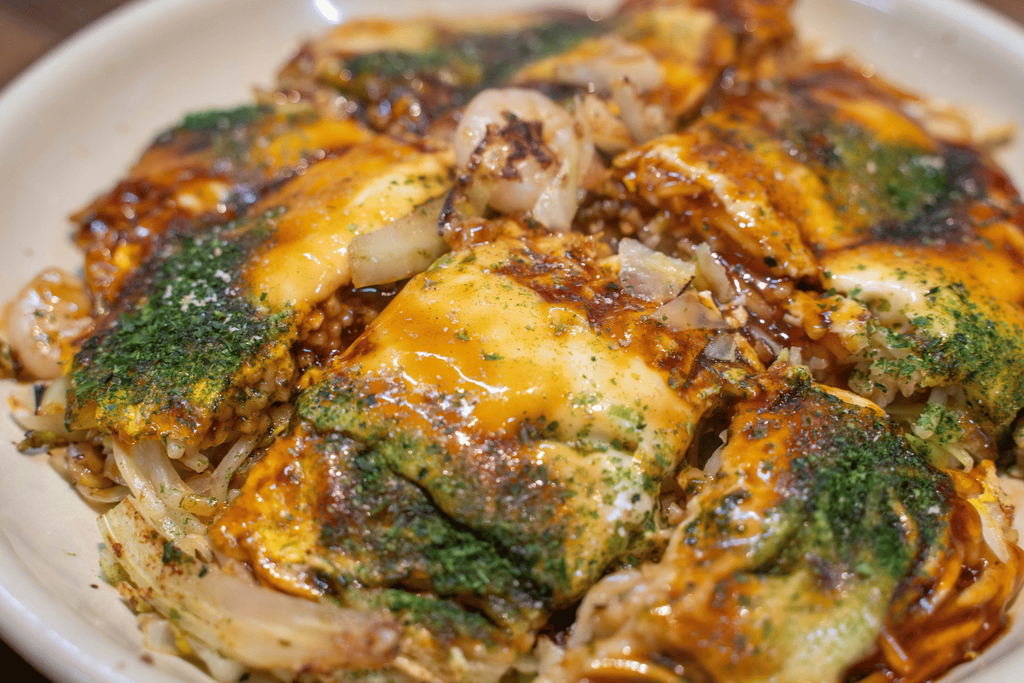
Photo: Unsplash
One day means making choices — here’s how to split your time across the three things that actually define a Hiroshima visit.
Start at the Peace Memorial Museum
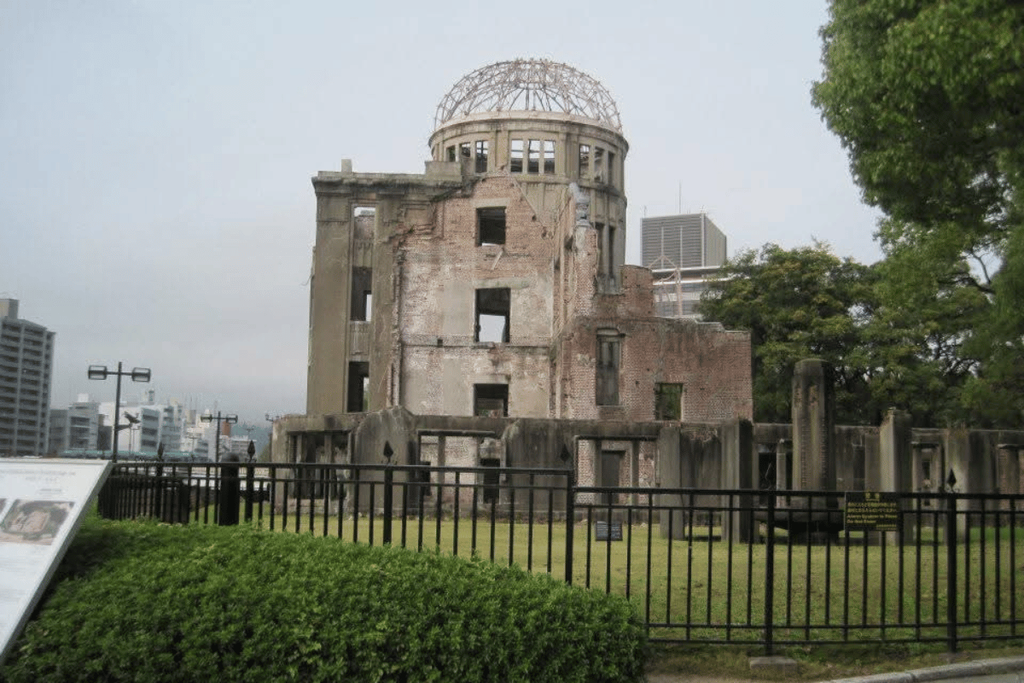
The Peace Memorial Museum is the heart of any Hiroshima visit, and for good reason. It’s not an easy experience — and it’s not meant to be — but it’s one of the most thoughtfully put-together museums in Japan. Give yourself at least 90 minutes here, or longer if you like to read everything. Just outside, the Atomic Bomb Dome — the only structure left standing near the blast’s hypocentre — is worth pausing at for a few minutes before or after.
- Hiroshima Peace Memorial Museum — personal testimonies, recovered artefacts, unflinching history
- Atomic Bomb Dome (Genbaku Dome) — the preserved ruin directly across the river from the museum
- Children’s Peace Monument — the origami cranes memorial; quieter and easy to miss but worth finding
Get Out to Miyajima Island
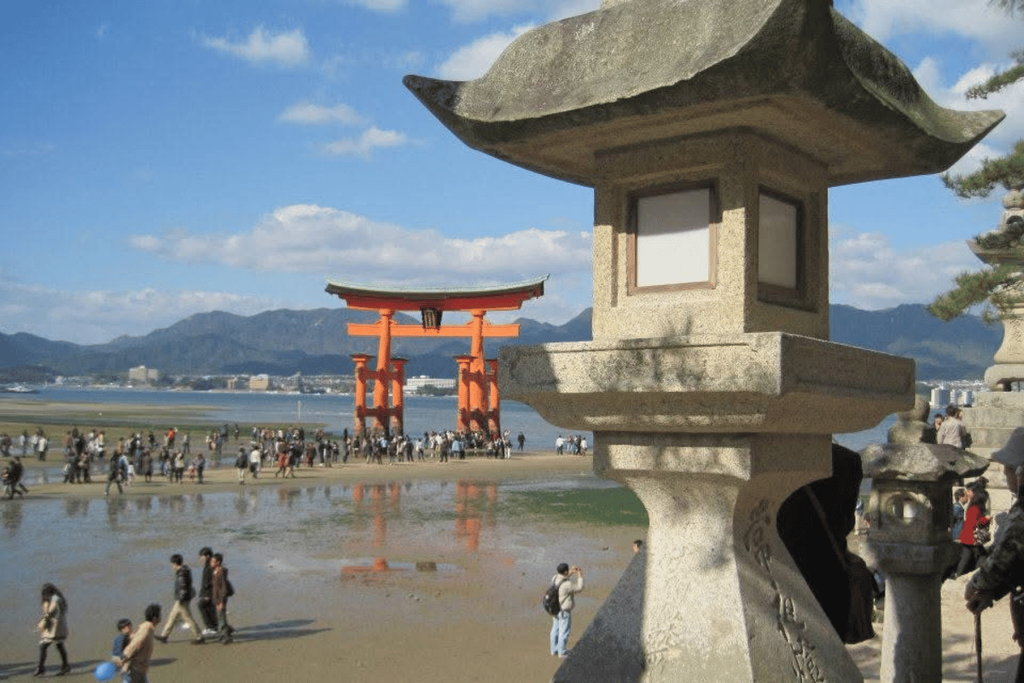
If you only have one day, Miyajima is still worth the detour — especially if you time it around high tide, when the famous torii gate appears to float on the water. During low tide you can actually walk out to it, which is a different but equally good experience. The island also has deers roaming freely through the streets, a five-storey pagoda, and Daisho-in Temple tucked into the hills above the main drag, which most visitors walk straight past.
- Itsukushima Shrine and the floating torii gate — check tide times before you go
- Daisho-in Temple — quieter than the waterfront, genuinely beautiful, and almost always less crowded
- Deer wandering around town — they’re wild, fairly bold, and endlessly photogenic
Eat Hiroshima-Style Okonomiyaki
Okonomiyaki in Hiroshima is different from the Osaka version — it’s built in layers rather than mixed together, with noodles added in the middle. Okonomimura, a multi-story building near the Peace Memorial that’s filled with tiny okonomiyaki restaurants, is the most famous spot to try it. It’s pretty popular with tourists these days, but the food is genuinely good and the atmosphere is fun. Alternatively, any of the local spots near Hiroshima Station are less hectic and just as good. Okonomimura — five floors of small okonomiyaki stalls, lively and good for solo diners
- Hiroshima Station area — local spots with shorter queues, especially for lunch
- Momiji manju — the city’s classic souvenir snack, a maple leaf-shaped cake filled with sweet bean paste; sold everywhere on Miyajima
Recommended Spots in Hiroshima
Five spots that between them cover the full shape of a day in Hiroshima — from the heaviest to the lightest, and worth doing in roughly this order.
1. Hiroshima Peace Memorial Museum
This is the one non-negotiable. The museum reopened after a full renovation and the result is one of the most affecting historical museums you’ll find in Japan. The ground floor focuses on the city’s history before and after August 6, 1945. The east building goes deeper — personal belongings, photographs, testimonies from survivors. It’s the personal items that hit hardest: a child’s melted lunchbox, a watch stopped at 8:15am.
Don’t rush it. A lot of people see the queues and try to power through in 45 minutes — but you’ll miss the parts that matter most. Ninety minutes is a better baseline; two hours if you’re reading everything carefully. Go first thing when the museum opens to avoid the worst of the crowds, especially on weekends and during school excursion season.
There’s a good English audio guide available, and all the main panels are translated. After the museum, walk around the Peace Memorial Park itself — the Cenotaph, the Flame of Peace, and the Atomic Bomb Dome are all a short walk away and feel different after you’ve been inside.
Highlights:
- One of Japan’s most important historical museums, completely renovated
- Personal artefacts are the most powerful part — don’t skip the east wing
Details
- Time required: 90 minutes to 2 hours
- Access: About 15 minutes from Hiroshima Station by tram (Line 2 or 6 to Genbaku-dome-mae stop)
- Location: Google Maps
2. Atomic Bomb Dome (Genbaku Dome)
The Atomic Bomb Dome is the only structure in the hypocentre area that survived the blast in any recognisable form, and it was deliberately left as it was found — crumbling walls, exposed ironwork, no roof. It’s now a UNESCO World Heritage Site and sits at the northern edge of Peace Memorial Park, directly across the river from the museum.
It works best as part of the broader Peace Park walk rather than a standalone stop. Take your time with it. There are usually people sitting on the riverbank nearby in silence, and that energy tends to be contagious in the best possible way. Early morning is particularly striking — the light hits it differently before the tour groups arrive.
There’s no entry fee and no set visiting time; it’s an outdoor site. A short bridge crosses the Motoyasu River between the dome and the main park, and the whole area is well signposted in English. It’s genuinely hard to describe what it feels like standing in front of it — just go.
Highlights:
- UNESCO World Heritage Site preserved exactly as found after 1945
- Free to visit, outdoors, accessible at any hour
Details
- Time required: 20–30 minutes
- Access: About 15 minutes from Hiroshima Station by tram; 2-minute walk from the Peace Memorial Museum
- Location: Google Maps
3. Itsukushima Shrine, Miyajima Island
The floating torii gate at Itsukushima Shrine is one of those images you’ve probably seen a hundred times in travel content — and it’s still worth going, because the real thing is better than the photos. The gate itself is enormous up close, and the way it sits in the water (or, at low tide, in the mud) depending on the time of day changes the whole feel of it. Check tide times before you go. High tide gives you the classic floating silhouette; low tide lets you walk right out to the base.
The shrine itself is built on stilts over the water and dates back to the 6th century, though the current structure is from the 12th century. It’s an active religious site — priests walk through for ceremonies while tourists wander the outer corridors — and that liveness makes it feel different from a lot of shrine visits. The five-storey Goju-no-to pagoda on the hill above is also worth the short climb for the view back over the water.
Getting here is part of the experience: tram to Hiroshima-ko (the pier), then a 10-minute JR ferry across to the island. The ferry crossing with the shrine visible in the distance is one of those travel moments that lands exactly right. Budget at least 2 hours on the island, more if you want to hike up to Mt. Misen.
Highlights:
- Check tide times in advance — high and low tide offer genuinely different experiences
- The ferry crossing from the mainland gives the best first view of the gate
- Daisho-in Temple and Mt. Misen are worth the extra time if you have it
Details
- Time required: 2–3 hours on the island
- Access: About 30 minutes from Hiroshima Station: tram to Hiroshima-ko pier, then 10-minute JR ferry to Miyajima
- Location: Google Maps
4. Daisho-in Temple
Most people on Miyajima walk the main shopping street, photograph the torii gate, pet a deer or two, and head back to the ferry. Daisho-in, a Buddhist temple complex tucked into the hillside above the main shrine, is where you go if you want something quieter and frankly more interesting. It takes about 10 minutes to walk uphill from the waterfront, and most day-trippers don’t bother — which is exactly why you should.
The complex is genuinely atmospheric: stone steps lined with hundreds of small Jizo statues wearing red bibs, a cave filled with 88 sacred images from the Shikoku pilgrimage, and prayer wheels you can spin as you walk. It’s an active temple, and there’s often incense burning and monks going about their day. None of the bustle of the waterfront reaches up here.
Admission is free and the paths through the complex are well marked. Allow 30 to 45 minutes to wander properly. It pairs well with the main shrine visit — do the waterfront first while the light is good, then head uphill to Daisho-in before catching the ferry back.
Highlights:
- Far fewer crowds than the main shrine despite being a short walk away
- Jizo statues, stone lanterns, and a cave sanctuary — genuinely atmospheric
- Free entry; allow 30–45 minutes to walk through at a relaxed pace
Details
- Time required: 30–45 minutes
- Access: 10-minute uphill walk from Itsukushima Shrine on Miyajima Island; about 40 minutes total from Hiroshima Station
- Location: Google Maps
5. Okonomimura
Okonomimura is a five-storey building near Hondori shopping street, home to around 25 tiny okonomiyaki restaurants. Each stall seats maybe eight people around a flat iron griddle, where you can watch your okonomiyaki made layer by layer — cabbage, bean sprouts, pork, noodles in the middle, and a fried egg on top. It’s a different style from Osaka, and which one’s better is one of those debates people in Japan take surprisingly seriously.
The atmosphere is a big part of the appeal. It’s tight, a little smoky, loud, and a lot of fun — especially if you’re eating solo or as a pair. Bigger groups can have a harder time finding seats together. Lines build quickly around dinner time, so it’s worth coming for a late lunch (around 2pm to 3pm) or being ready to wait a bit. Most stalls have picture menus with English, and the staff will usually help you figure out what’s what.
If Okonomimura feels a bit too touristy, just wander a few minutes in any direction — Hiroshima is full of local okonomiyaki spots, and the quality is consistently solid across the city. Still, for a first visit, Okonomimura is hard to beat for the full experience.
Highlights:
- 25 tiny stalls across five floors — the lively, cramped atmosphere is part of the appeal
- Watch the cook layer your okonomiyaki on the iron griddle right in front of you
- Go between 2pm–3pm to avoid the busiest times
Details
- Time required: 45–60 minutes
- Access: About 20 minutes from Hiroshima Station by tram; 5-minute walk from the Peace Memorial Park
- Location: Google Maps
Travel Tips for Visiting Hiroshima
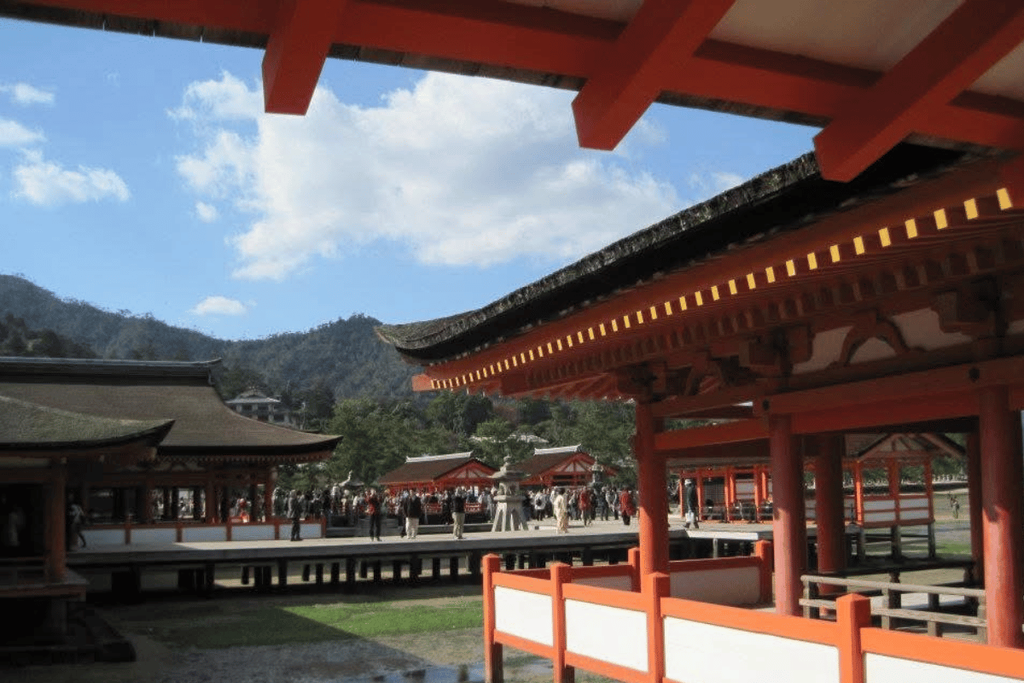
- Check tide times for Miyajima before your trip: High tide gives you the floating gate photo; low tide lets you walk up to the base. Both are worth seeing, but they’re different experiences — knowing which you’ll get helps you set expectations. Japan Tide Forecast apps and the island’s official site both show accurate times.
- Start at the Peace Museum: It opens at 8:30am (9am November through February) and the early crowd is manageable. By 10:30am it’s noticeably busier, especially on weekends and during school trip season. If you’re coming from Osaka or Kyoto, an early shinkansen gets you there in time for opening.
- Use the city tram for your transportation: Hiroshima’s tram network is simple and covers every main sight. A day pass is cheaper than buying individual tickets if you’re making more than three or four trips. IC cards (Suica, ICOCA) work on the trams too.
- The JR Pass covers the Miyajima ferry: If you have a JR Pass, the JR ferry from Hiroshima-ko pier to Miyajima is included. The non-JR Matsudai ferry is cheaper without a pass but doesn’t accept the JR Pass — make sure you’re at the right pier.
- Have okonomiyaki for lunch, not dinner: The wait at popular spots gets long in the evenings. Hitting Okonomimura or a local spot at 1pm gives you faster service and more energy to actually enjoy it — you’ll be tired by dinner.
How to Get to Hiroshima
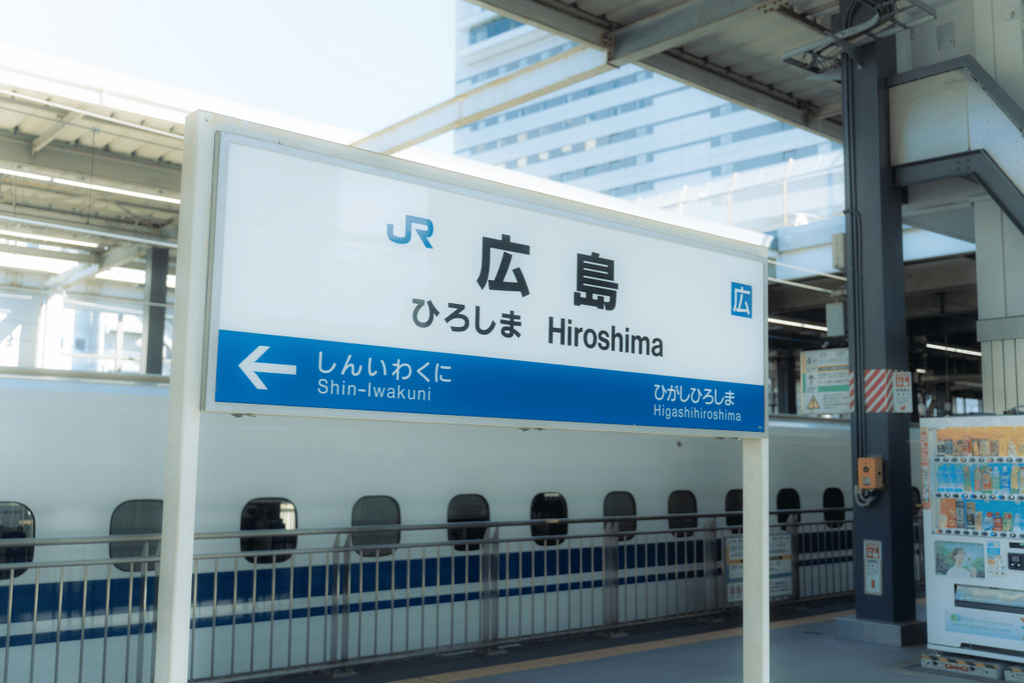
Photo: Unsplash
From Tokyo
- Nozomi shinkansen from Tokyo Station to Hiroshima Station — approximately 4 hours
- Hikari shinkansen (JR Pass-eligible) — approximately 4 hours 30 minutes
From Osaka
- Nozomi shinkansen from Shin-Osaka to Hiroshima Station — approximately 1 hour 20 minutes
- Hikari or Sakura shinkansen (JR Pass-eligible) — approximately 1 hour 30 to 45 minutes
From Kansai International Airport (KIX)
- Airport express to Shin-Osaka, then Nozomi/Hikari shinkansen to Hiroshima — total approximately 2 hours
- Alternatively: Haruka express to Kyoto, then shinkansen to Hiroshima — similar total journey time
From Narita International Airport (NRT)
- Narita Express to Tokyo Station, then Nozomi shinkansen to Hiroshima — total approximately 5 to 5.5 hours
- Flying into Kansai International Airport and using that as your base is a much more practical option if Hiroshima is on your itinerary
*Prices are subject to change. Please check the official website for up-to-date information.
Summary
A day in Hiroshima done right looks something like this: early shinkansen from Kyoto or Osaka, and straight to the Peace Memorial Museum when it opens, an hour in the park and at the Atomic Bomb Dome, then tram and ferry out to Miyajima for the afternoon — Itsukushima Shrine, a wander up to Daisho-in, back on the ferry before the evening rush. Finish with okonomiyaki somewhere near the station before your shinkansen home. It’s a full day but it flows well, and you come back feeling like you actually saw the place rather than just passed through it.
If you have any flexibility, late spring (May) and early autumn (October) are the best times to visit — comfortable temperatures, no rainy season, and the summer crowds have waxed and waned. Miyajima in particular is beautiful with autumn colors in late October and early November. Summer works but it’s genuinely hot and humid; winter is fine and less crowded, though some outdoor elements of Miyajima feel less scenic in the grey.
Before you head out, get your connectivity sorted — real-time navigation makes Hiroshima significantly easier to move around, and translating the occasional menu or sign goes a long way. A Japan eSIM from Get Japanese eSIM is the simplest way to handle it — activate before you land and you’re good to go from the moment you arrive.
One day in Hiroshima might feel quick, but it’s enough to get a real sense of the city. Take it step by step, spend time at the Peace Memorial, and make room to enjoy the food and atmosphere along the way. You don’t need to see everything — just focus on a few key spots and let the day unfold naturally. However you plan it, Hiroshima leaves an impression. Enjoy your time here and make the most of it.