Photo: Unsplash
Nikko, nestled in the mountains of Tochigi Prefecture, is a treasure trove of Japan’s religious and architectural heritage.
While often overshadowed by Kyoto and Nara, Nikko offers a unique blend of natural beauty and spiritual history.
In this guide, you will discover why Nikko became a center for Shinto and Buddhist worship, and how its temples and shrines reflect centuries of craftsmanship and devotion.
Whether you’re a history lover, nature enthusiast, or seeking a spiritual experience, this guide will help you plan an unforgettable Nikko pilgrimage.
About Nikko
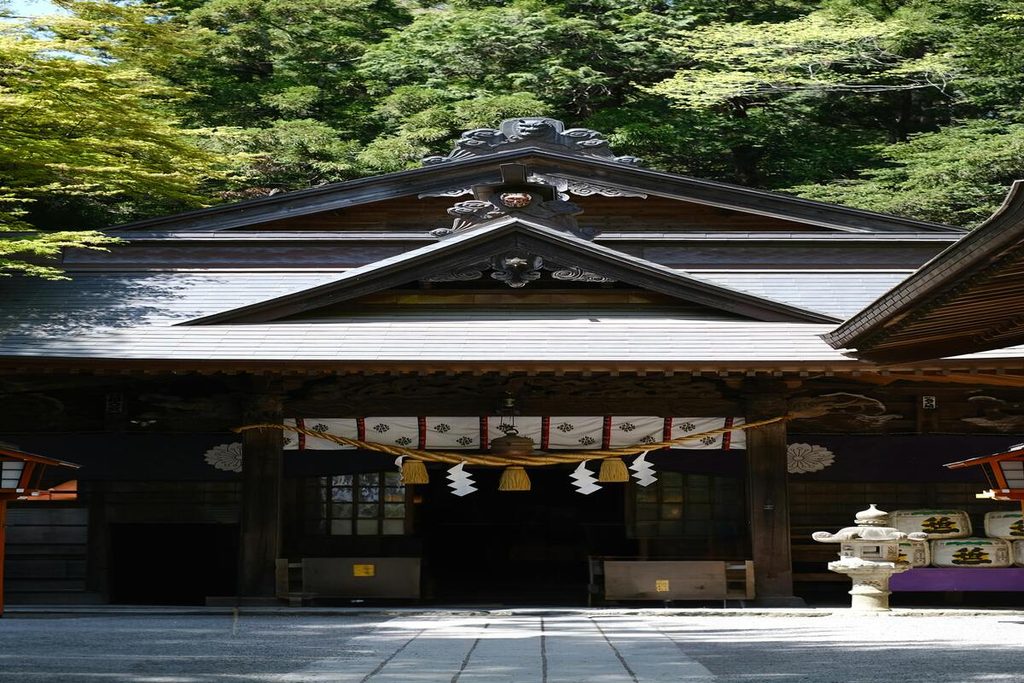
Photo:pexels
Nikko has been a spiritual center since the Edo period, famed for its ornate temples and lush mountainous surroundings.
The city’s most famous site, the Toshogu Shrine, is the final resting place of Tokugawa Ieyasu, the founder of the Tokugawa Shogunate.
Nikko’s temples and shrines are renowned for their elaborate carvings, vibrant colors, and harmonious integration with nature.
The combination of Shinto and Buddhist elements reflects Japan’s rich religious syncretism. Today, the Shrines and Temples of Nikko are collectively designated as a UNESCO World Heritage site.
Best Things to Do in Nikko
Just a short trip from Tokyo, Nikko offers a serene escape into deep cedar forests and misty mountains.
It is a world-class destination for anyone seeking peace, beautiful temples, and fresh mountain air.
- Marvel at the Toshogu Shrine: Explore the lavishly decorated main hall, the Yomeimon Gate, and the famous “Sleeping Cat” and “Three Wise Monkeys” carvings.
- Walk along Shinkyo Bridge: The iconic red-lacquered bridge over the Daiya River is one of Japan’s most scenic landmarks.
- Explore Futarasan Shrine: A serene Shinto shrine surrounded by cedar trees, perfect for peaceful reflection.
- Visit Rinno-ji Temple: Home to three golden Buddha statues representing Amida, Senju-Kannon, and Bato-Kannon.
- Enjoy nature around Lake Chuzenji: Take a short hike or boat ride for stunning views of the surrounding mountains and waterfalls.
Recommended Temples and Shrines in Nikko
Nikko is home to some of Japan’s most beautiful temples and shrines.
From the golden carvings of Toshogu to the quiet bamboo paths of ancient temples, these sacred sites offer a perfect mix of history and nature. Here are the must-see spots for your visit.
Looking for your next spiritual journey? We’ve put together a collection of guides featuring the best temples and shrines across Japan.
1. Toshogu Shrine
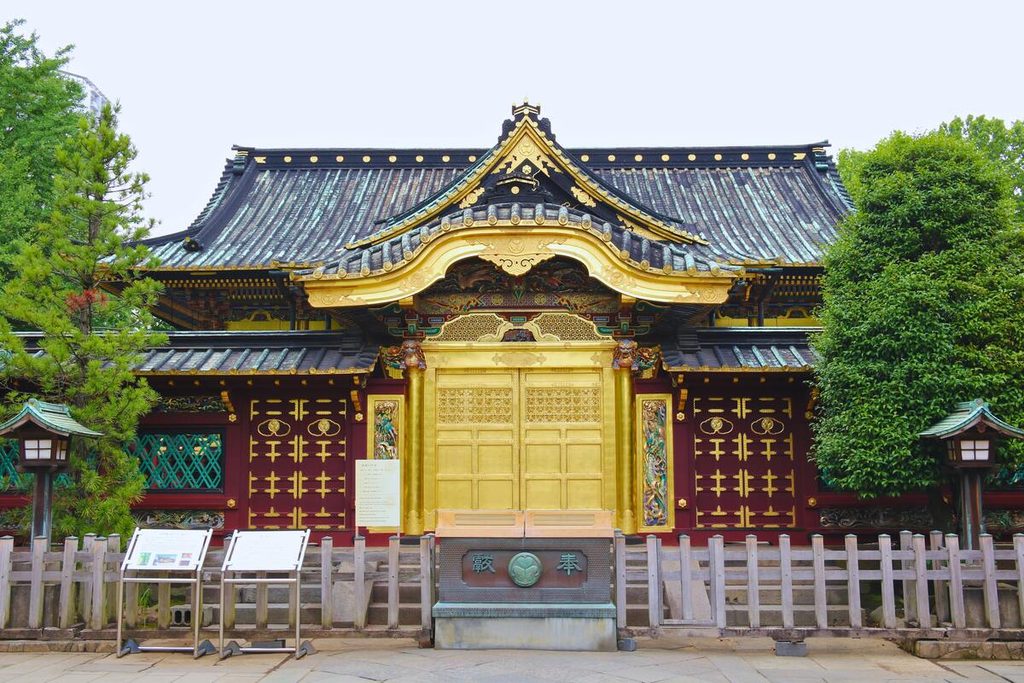
Photo: pexels
The jewel of Nikko, Toshogu Shrine is famous for its lavish architecture and intricate carvings.
- Yomeimon Gate: Often called the “Gate of Sunlight,” adorned with hundreds of detailed carvings.
- Sleeping Cat (Nemuri-neko): A small but famous carving symbolizing peace.
- Three Wise Monkeys: See “See no evil, hear no evil, speak no evil” in its iconic form.
- Location: Google Maps
Travel tips: For a peaceful escape from the crowds, follow the stone steps behind the “Sleeping Cat” carving. It’s a bit of a climb—about 200 steps—but it leads you through a towering cedar forest to the tomb of the first Shogun.
2. Futarasan Shrine
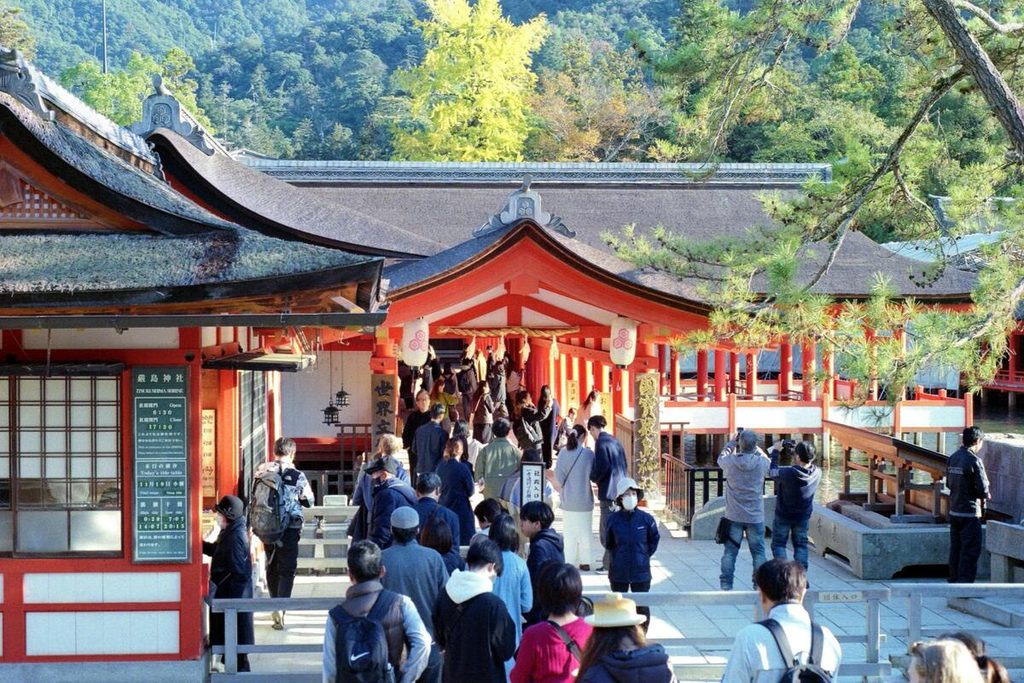
Photo: pexels
Founded in 782, Futarasan Shrine is dedicated to the deities of Nikko’s mountains.
- Sacred Cedar Trees: Walk among towering ancient cedars for a mystical experience.
- Serene Atmosphere: Perfect for a quiet moment of reflection.
Location: Google Maps
Travel tips: For the most spiritual of experiences, take the long stone path lined with ancient cedar trees that leads to the shrine. On a misty morning, the atmosphere is incredibly peaceful and feels like stepping back in time.
3. Rinno-ji Temple
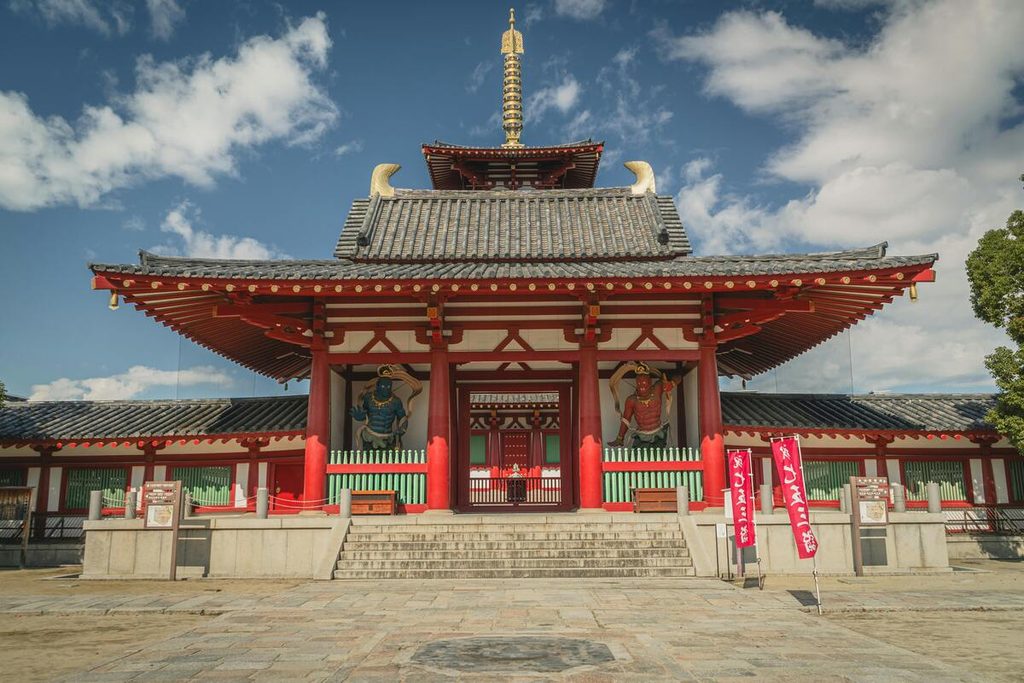
Photo: pexels
A historic Buddhist temple complex that includes multiple halls and sacred statues.
- Three Buddha Statues: Representing key Buddhist figures in Nikko.
- Shoyo-en Garden: A beautiful Japanese garden adjacent to the temple.
Location: Google Maps
Travel tips: If you collect temple stamps (Goshuin), Rinno-ji is a great place to start. Their calligraphy is famous for its strength and beauty, making it a perfect souvenir of your spiritual journey.
4. Taiyuin Mausoleum (Taiyuin-in)
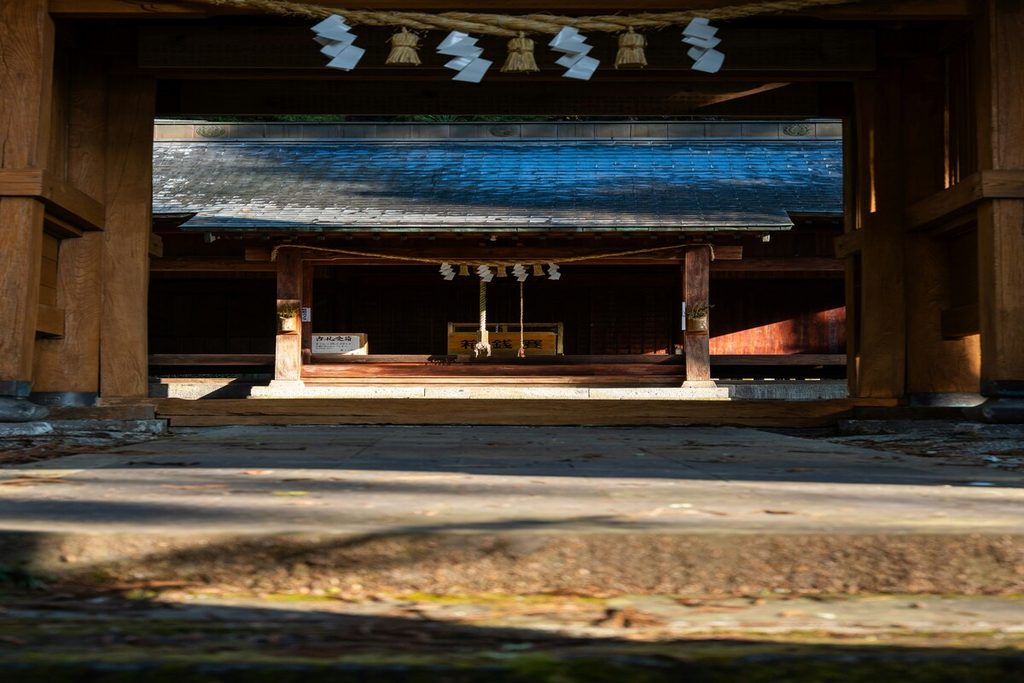
Photo: Unsplash
A serene mausoleum dedicated to Tokugawa Iemitsu, featuring exquisite decorations and a tranquil atmosphere.
- Highlights: Lavish carvings and peaceful surroundings, perfect for photography.
- Tips: Ideal for those who want to enjoy history and architectural beauty at a relaxed pace.
Location: Google Maps
Travel tips: To reach the main gates, you will walk up several stone staircases through a towering cedar forest. The air here feels cool and fresh, and the tall trees create a natural cathedral-like atmosphere that is perfect for quiet reflection.
5. Chuzenji Futarasan Shrine (Chuzenji Branch of Nikko Futarasan Shrine)
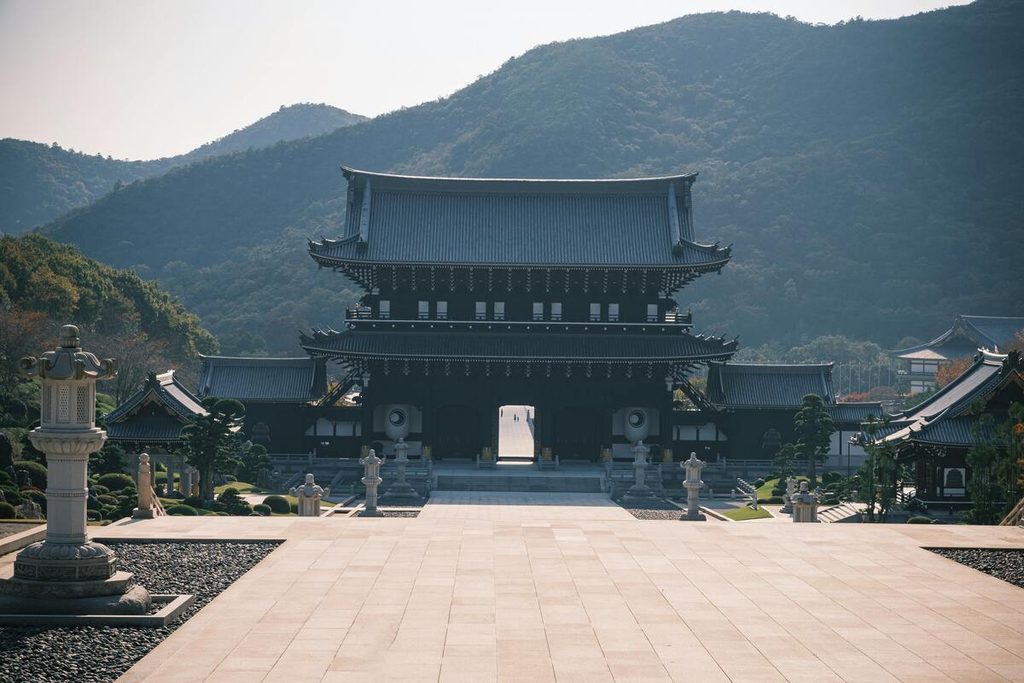
Photo: pexels
A picturesque Shinto shrine near Lake Chuzenji, blending natural scenery with spiritual architecture.
- Highlights: The lake and shrine together create stunning photo opportunities.
- Tips: Perfect for quiet worship and enjoying nature.
Location: Google Maps
Travel tips: This shrine is located much higher up the mountain than Toshogu, so it stays cool even in summer. If you visit in late October, the surrounding mountains turn brilliant shades of orange and red, making the view across the lake truly unforgettable.
6. Kanmangafuchi Abyss
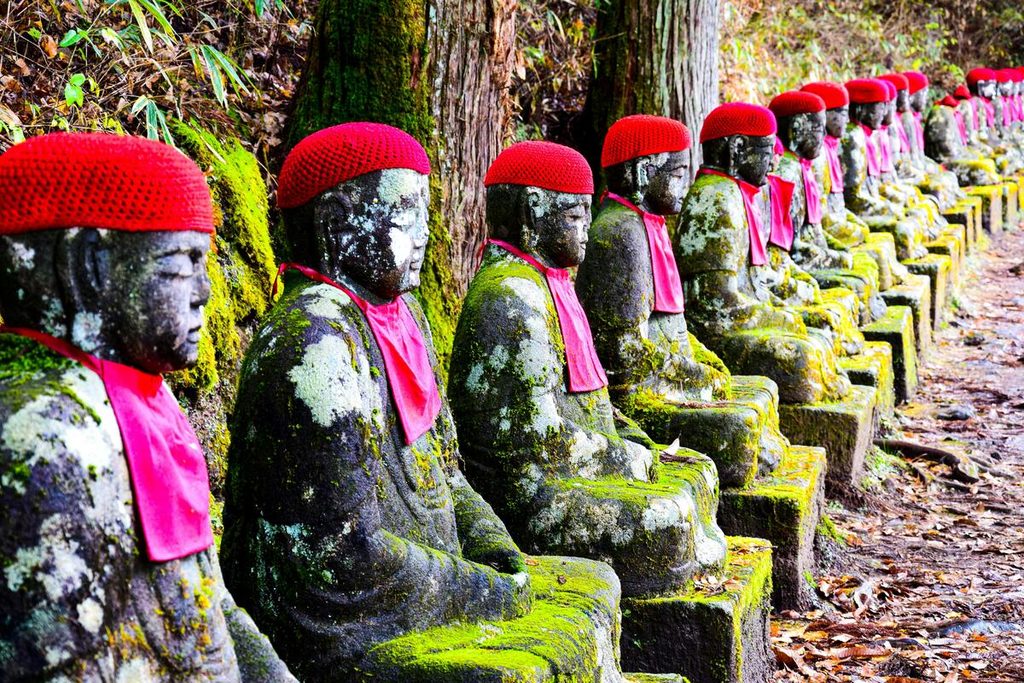
Photo: Pexels
A mystical riverside path created by an eruption of Mount Nantai. It is famous for its “Ghost Jizo” statues that line the rushing blue water.
- Bake Jizo (Ghost Jizo): A row of about 70 stone statues wearing red hats and bibs. Legend says their number changes every time you count them!
- Botanical Garden: A peaceful green space nearby, perfect for a quiet stroll away from the crowds.
- River Views: The turquoise water of the Daiya River creates a stunning contrast with the mossy stone statues.
- Location: Google Maps
Travel tips: Visit in the late afternoon when the sun starts to dip behind the trees. The long shadows and the sound of the rushing river make the rows of Jizo statues look truly magical and a little mysterious.
7. Takinoo Shrine
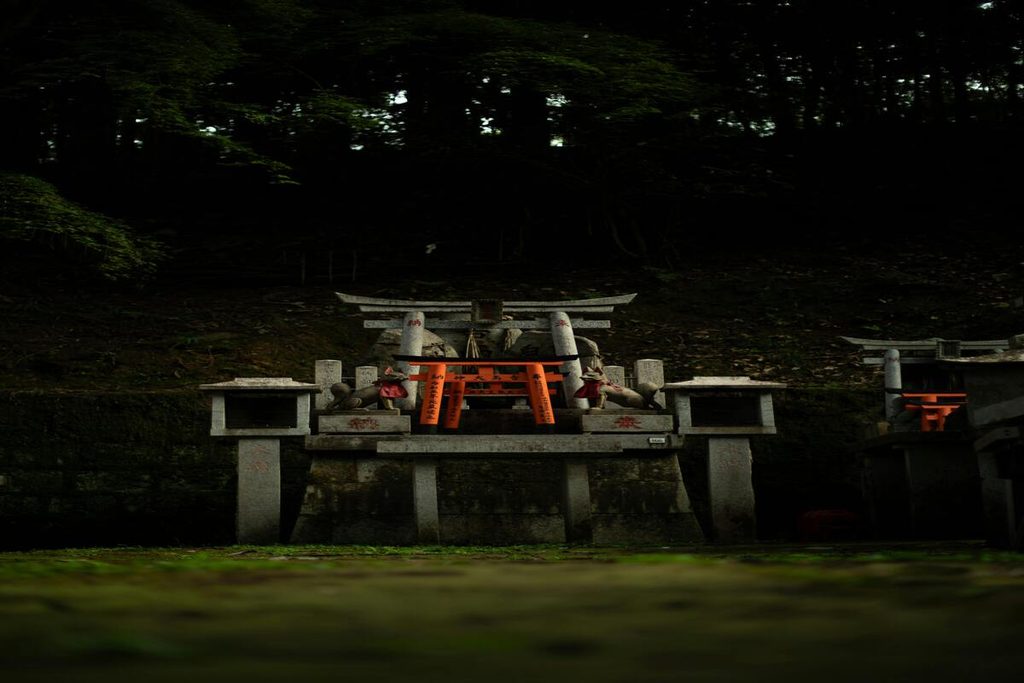
Photo: Pexels
A hidden gem located deep in the cedar forest, about a 20-minute walk behind Toshogu Shrine. It is known as one of the most spiritual and “power-filled” spots in Nikko.
- The Three Cedars: Ancient, towering trees that have stood for centuries, creating a natural cathedral-like atmosphere.
- The Luck-Testing Stone (Unameshi-no-toro): A stone lantern with a small hole. Legend says if you can throw three pebbles through the hole, your wish will come true!
- Shiraito Falls: A small, elegant waterfall near the shrine entrance that adds to the peaceful sound of the forest.
- Location: Google Maps
Travel tips: For the best experience, take the ancient stone-paved path called the “Kanmando” from Toshogu Shrine. It’s a quiet, uphill walk through the trees where you can escape the crowds and feel the true spirit of the mountains.
8. Nikko Zan Rinno-ji – Jigendo
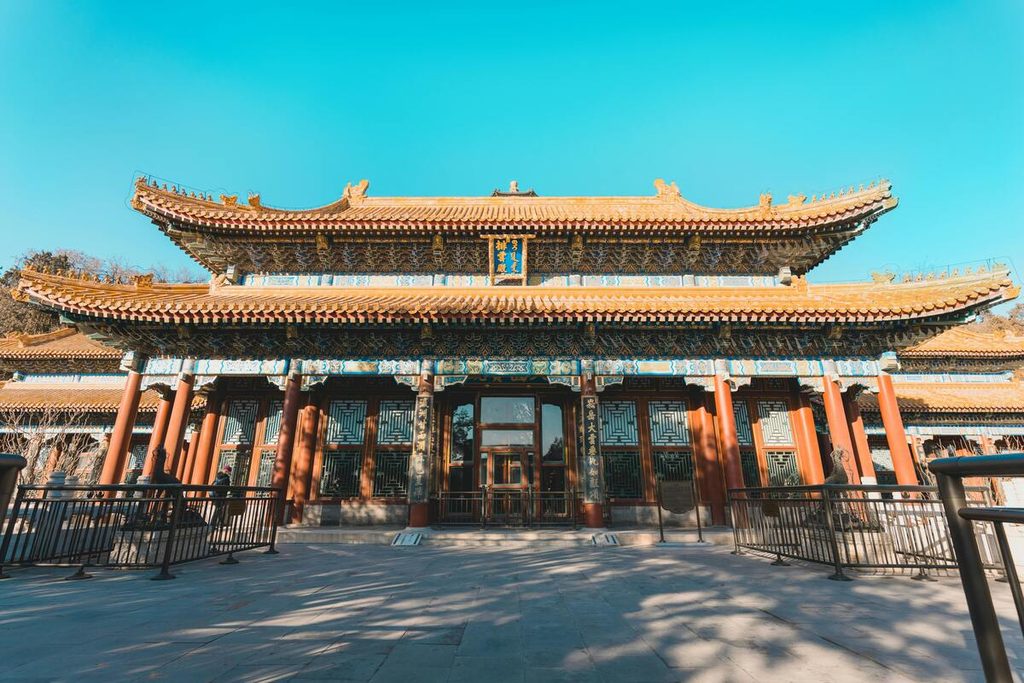
Photo: Pexels
This is the mausoleum of Tenkai, the high priest who served the Tokugawa Shoguns. It is a quiet, dignified place tucked away from the main tourist paths.
- The Stone Lanterns: Dozens of moss-covered lanterns line the path, creating a very atmospheric and “old Japan” feeling.
- The Statues of the Twelve Generals: Intricate wooden statues that guard the sacred space.
- The View of the Forest: Because fewer people visit this spot, it is perfect for photography without unwanted passersby.
- Location: Google Maps
Travel tips: Follow the small path leading away from the Taiyuin area. Most tourists miss this turn, so you will often have the entire temple grounds to yourself—it’s the perfect place for a moment of quiet meditation.
Access to Nikko from Major Cities
Nikko is a popular day trip or weekend getaway from Tokyo, offering easy access for travelers. Whether you prefer the speed of the Shinkansen or the convenience of a direct limited express train, getting to this mountain sanctuary is simple and scenic.
Here are the best ways to reach Nikko from major cities.
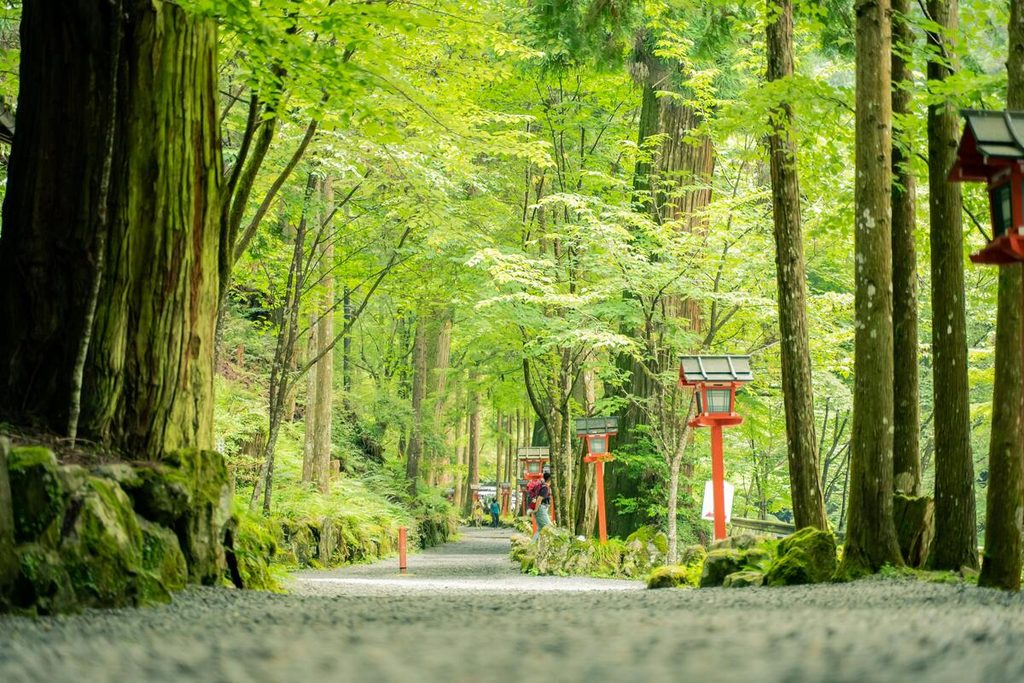
Photo: pexels
From Tokyo:
- Route: Tokyo Station → Utsunomiya Station (Shinkansen) → Nikko Station (via JR Nikko Line)
- Total Travel Time: Approx. 2 hours
- Fare: 5,000–6,000 yen
From Osaka:
- Route: Shin-Osaka Station → Tokyo Station (Shinkansen) → Nikko (via JR)
- Total Travel Time: Approx. 5 hours
From Kyoto:
- Route: Kyoto Station → Tokyo Station (Shinkansen) → Nikko (via JR)
- Total Travel Time: Approx. 4.5 hours
Even if you encounter any trouble while navigating the train system, you’ll be just fine as long as you have a reliable internet connection.
Using an eSIM is a great way to stay connected in Japan without any hassle. For more details, click here to check out our in-depth guide on eSIMs in Japan.
Summary
Nikko offers a perfect combination of history, spirituality, and natural beauty.
From the ornate Toshogu Shrine to the tranquil forests of Futarasan, every site invites visitors to slow down and appreciate Japan’s cultural roots.
Take your time, respect local customs, and enjoy the serene moments between temples for a truly memorable visit.