Introduction

Photo: Unsplash
Kyoto has no shortage of cafes, but finding a traditional tea house can feel more confusing than expected, especially if it’s your first visit to Japan. You might walk past a few without realizing what they are, or hesitate at the entrance because it feels a bit too quiet, a bit too formal, or simply unfamiliar compared to what you’re used to.
If it’s your first time, it’s easy to overthink everything. Do I need a reservation? Is there a specific way to order? What if I don’t understand the menu, or accidentally break some kind of unspoken rule? Even something as simple as opening the door can feel like a huge decision when the space looks calm and slightly intimidating from the outside.
Because of that, many travelers end up skipping tea houses entirely. They choose something more familiar, like a coffee chain or a to-go drink, and move on to the next sightseeing spot. It’s easy and quick but it also means missing a slower, more local side of Kyoto that doesn’t always show up in fast-paced itineraries.
After spending hours walking through temples, narrow streets, and crowded areas, sitting down somewhere quiet can feel completely different. The noise fades, your pace naturally slows, and you start noticing things you didn’t before—like the way light enters the room, the sound of tea being prepared, or the calm rhythm of the space around you.
A tea house isn’t just a place to drink tea. It’s a small pause in your day, and sometimes that pause becomes one of the most memorable parts of your trip without you even expecting it.
Here’s what you can expect:
- Accessible tea houses that are comfortable for first-time visitors
- What the atmosphere is actually like inside
- Simple ways to enjoy matcha and traditional sweets
- Tips to avoid awkward or confusing moments
You don’t need a detailed plan for this. A simple idea of when to go and what to expect is more than enough.
Also, getting around Kyoto becomes much easier when you can check maps or nearby spots anytime. Staying connected in Japan with an eSIM helps more than you might expect, especially when you’re moving between areas or adjusting your plans during the day.
Overview of Kyoto Traditional Tea Houses

Traditional tea houses in Kyoto are about the atmosphere. At first glance, it might seem simple or even minimal, but once you sit down and spend a little time inside, you begin to notice small details that make the experience feel very different from a regular cafe.
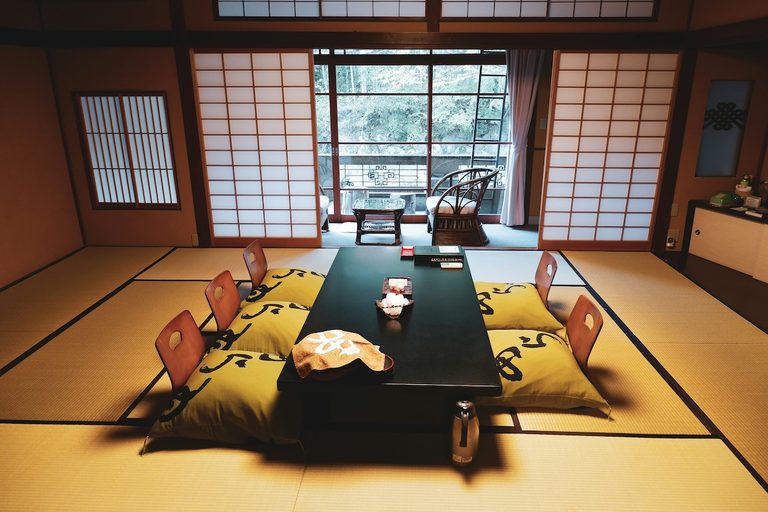
You’ll often see tatami flooring, sliding doors, and wooden interiors that reflect traditional Japanese design. The lighting is usually soft, sometimes filtered through paper screens or narrow windows, creating a calm and slightly muted atmosphere that feels very intentional.
Most tea houses offer:
- Matcha served in a bowl
- Wagashi (traditional Japanese sweets)
- Seasonal menu items
- Quiet seating areas, sometimes with garden views
The menu might feel limited, especially if you’re used to cafes with long drink lists and endless customization. But that simplicity is actually part of the experience. Instead of choosing from many options, you focus on enjoying what’s already been carefully prepared and presented.
Another thing you might notice is the pace. Tea is not rushed, and there’s no pressure to leave quickly once you finish your drink. Even if you only stay for 30 to 45 minutes, it often feels like a proper break rather than just a quick stop.
There are also different types of tea houses across Kyoto. Some are modern and easy to enter, with clear menus, English support, and a more casual atmosphere. Others feel more traditional, with tatami seating and quieter, more reserved spaces that might seem intimidating at first but become comfortable once you settle in.
If you’re new to this, starting with a more relaxed and accessible tea house is usually the best option. Once you feel comfortable, you might naturally become more curious about exploring quieter or more traditional places later in your trip.
Another thing you may notice is how each tea house feels slightly different depending on its surroundings. A place near a busy street in Gion can feel lively just outside, but once you step inside, the atmosphere shifts completely. On the other hand, tea houses in quieter areas like Uji or near temples tend to feel calm from the moment you arrive, even before entering.
This contrast is part of what makes exploring tea houses in Kyoto interesting. It’s not just about the tea itself, but also how the location shapes the overall experience. Sometimes, the short walk to the tea house becomes part of the memory—the sound of gravel under your feet, the narrow streets, or the sudden quiet when you turn a corner.
You might also notice that your experience changes depending on how tired you are. After a long morning of walking, a tea house feels like a real break. Earlier in the day, it might feel more like a casual stop. The same place can feel completely different depending on your pace and energy.
Because of that, it’s less about finding the “best” tea house and more about finding the right one at the right moment.
Best Things to Do at a Kyoto Tea House

Photo: Unsplash
Spending time in a tea house isn’t about doing a lot. It’s more about how you experience the time you’re already there and how you allow yourself to slow down.
Explore
- Walk into places that feel welcoming, even if they look simple
- Notice the layout, materials, and natural light inside
- Choose a seat that feels comfortable, not just photogenic
When you step inside, the atmosphere usually shifts right away. The sounds from outside become quieter, and everything feels a bit slower and more relaxed.
You might start noticing details you would normally ignore—the texture of tatami flooring, the way light reflects on wooden surfaces, or how carefully items are arranged on a tray. These small elements quietly shape the overall experience.
Taking a moment to sit and observe before reaching for your phone can make a big difference. It helps you settle into the space and feel more connected to where you are.
Try
- Order matcha with a small dessert set
- Try seasonal wagashi sweets if available
- Ask for simple recommendations if you’re unsure
Matcha can taste strong or slightly bitter if it’s your first time. That’s completely normal, and it’s part of the experience. The sweetness of wagashi balances it out, creating a more rounded and enjoyable flavor.
Seasonal wagashi sweets are especially interesting because they often reflect the time of year. You might notice subtle details in color, shape, or presentation that connect to the season, even if it’s not immediately obvious.
You don’t need to understand tea culture in depth. Even a simple order is enough to enjoy the experience, and that simplicity is part of what makes it feel approachable.
Enjoy
- Sit quietly and take your time
- Avoid rushing through your drink
- Take a short break from your phone or camera
After walking around Kyoto for hours, this kind of quiet break feels surprisingly refreshing. Even 30 minutes can change your energy for the rest of the day.
It’s also one of the few places where doing nothing feels completely natural. You don’t need to plan your next move or think about where to go next.
If you’re traveling with someone, conversations tend to slow down naturally. If you’re alone, it becomes a quiet moment to simply sit, observe, and enjoy the atmosphere without distractions.
Taking a short pause like this can also help you reset your travel pace. Kyoto days often start early and include a lot of walking, which can slowly build up without you noticing. Sitting down in a quiet space, even for a short time, gives your body and mind a chance to slow down.
It’s also a good moment to reflect on what you’ve seen so far. Instead of rushing to the next destination, you can look back on the morning or think about what you want to do next. That small pause often makes the rest of your day feel more intentional and less rushed.
Some travelers even find that these quiet moments become more memorable than the main sightseeing spots. It’s easy to remember a famous temple, but it’s often the feeling of a place—like a calm tea house—that stays with you longer.
How to Choose the Right Tea House

Photo: Unsplash
With so many options in Kyoto, choosing a tea house can feel slightly overwhelming at first. Many places look similar from the outside, and it’s not always clear which one is right for you.
A simple way to decide is to think about your mood at that moment. If you’re feeling tired after walking, a more casual place might feel better. If you have more time and want a quieter experience, choosing a traditional setting can feel more rewarding.
Location also plays a big role. Picking a tea house that’s close to where you already are makes everything feel smoother. Instead of going out of your way, it becomes a natural part of your route.
It’s also okay to choose based on something small, like how the entrance looks or whether the space feels comfortable. These small impressions are often surprisingly accurate.
In the end, there’s no need to find the perfect place. A simple, relaxed choice usually leads to a better experience than overplanning.
Recommended Kyoto Traditional Tea Houses

If you’re not sure where to start, choosing a place that feels easy to enter makes a big difference. Some tea houses look beautiful from the outside but can feel slightly intimidating at first. The spots below are relatively accessible while still giving you a good sense of Kyoto’s tea culture. Each one has a slightly different atmosphere, so you can choose based on your mood or where you are during the day. You don’t need to visit all of them—just finding one that fits naturally into your plan is more than enough.
Tsujiri Gion Main Store
This is a very popular and casual place to try matcha for the first time. The menu combines traditional tea with modern desserts, so it feels easier to order even if you’re not familiar with everything. You’ll find options like parfaits and soft-serve ice cream alongside classic matcha sets, which makes the experience feel more relaxed.
- Highlights: Famous matcha, rich desserts, central location
- Time required: about 30–60 minutes
- Access: short walk from Gion-Shijo Station
- Nearest station: Gion-Shijo Station
- Official site: Tsujiri Official Site
- Google Maps: Tsujiri Gion
Nakamura Tokichi (Uji)
Located in Uji, this tea house offers a more traditional and refined experience. The tea quality is noticeably high, and the flavors feel more delicate compared to casual spots in the city center. The atmosphere is calm and less crowded, which makes it easier to relax and take your time. Getting there requires a bit more effort, but that distance adds to the overall experience and makes the visit feel more special.
- Highlights: High-quality tea, calm setting, authentic feel
- Time required: about 60–90 minutes
- Access: about 20 minutes by train from Kyoto Station
- Nearest station: Uji Station
- Official site: Nakamura Tokichi Official Site
- Google Maps: Nakamura Tokichi
% Arabica Kyoto (Higashiyama)
This isn’t a traditional tea house, but it fits naturally into a Kyoto-style day. The design blends modern simplicity with traditional surroundings, especially in the Higashiyama area. It’s a good option if you want some coffee, while still enjoying the atmosphere of Kyoto. Mixing modern cafes with traditional tea houses often makes the day feel more balanced and less repetitive.
- Highlights: Modern design, scenic location, great coffee
- Time required: about 30–45 minutes
- Access: near Ninenzaka area
- Nearest station: Kiyomizu-Gojo Station
- Official site: % Arabica Official Site
- Google Maps: % Arabica Kyoto
When to Visit a Tea House in Kyoto
Timing can change the entire experience at a tea house, sometimes more than the place itself.
In the morning, tea houses feel quieter and more relaxed. There are fewer people, the atmosphere is calm, and the overall experience feels slower and more personal.
Midday is usually the busiest time. Many visitors stop by after sightseeing, so it can feel slightly crowded, especially in popular areas.
In the late afternoon, things begin to calm down again. This is a good balance if you prefer a quieter experience without waking up early.
Evenings are less common, as many tea houses close earlier than expected. Checking opening hours in advance helps to avoid disappointment.
What to Expect When You Enter
Walking into a tea house for the first time can feel slightly intimidating, but the process is usually simple.
In most places, you’ll either be guided to a seat or asked to wait briefly if it’s busy. Menus are typically short and sometimes include photos, making ordering easier.
Some tea houses offer tatami seating, while others provide regular tables and chairs. Both are comfortable once you settle in.
Once your order arrives, there’s nothing special you need to do. You don’t need to follow strict rules—just take your time and enjoy the experience.
Simple Etiquette Tips
You don’t need to know formal tea ceremony etiquette to enjoy a tea house.
- Speak in a quiet voice
- Be mindful when taking photos
- Follow simple instructions if given
That’s really all you need to remember.
The overall atmosphere is calm, so being relaxed and respectful naturally fits the space. You don’t need to worry about doing everything perfectly.
How to Add Tea Houses to Your Kyoto Itinerary
Tea houses work best as part of your day rather than as a main destination.
After visiting temples or walking through busy streets, stopping by a nearby tea house feels natural. It gives you a chance to rest without changing your plan too much.
Planning one or two visits per day is usually enough. Trying to visit too many can make the experience feel rushed.
It’s also helpful to leave some flexibility. Sometimes you’ll find a place unexpectedly while walking, and those unplanned stops often become memorable moments.
Travel Tips
A few small things can make your visit much smoother.
- Visit early if possible to avoid crowds
- Bring some cash, since some tea houses only accept cash
- You will be walking a lot, so wear comfortable shoes
- Stay connected in Japan with an eSIM
Tea houses can get crowded later in the day, so earlier visits feel more relaxed.
You’ll likely walk more than expected in Kyoto, so taking breaks makes a big difference.
Having internet access also helps when checking locations or adjusting your plans.
How to Get to Kyoto

Photo: Unsplash
From Tokyo to Kyoto Station
- Shinkansen (bullet train)
- Time: about 2.5 hours
- Cost: around ¥14,000*
From Osaka to Kyoto Station
- JR train
- Time: about 30 minutes
- Cost: about ¥600*
From Kansai International Airport to Kyoto Station
- JR Haruka Express
- Time: about 75 minutes
- Cost: about ¥3,000*
From Narita International Airport to Kyoto Station
- Narita Express + Shinkansen
- Time: about 3.5–4 hours
- Cost: about ¥18,000*
*Prices are subject to change. Please check the official website for up-to-date information.
Summary

Photo: Unsplash
Traditional tea houses in Kyoto aren’t something you need to fully understand before visiting. They’re more about the atmosphere, the pace, and the way they naturally slow your day down.
Even a short visit can change how you experience the city. Sitting quietly, enjoying matcha, and taking a break from busy streets often becomes a small highlight that stays with you longer than expected.
You don’t need to visit many places. Just finding one that feels comfortable is enough. Staying connected in Japan with an eSIM also makes exploring easier and more flexible.
Wishing you a wonderful trip to Kyoto!