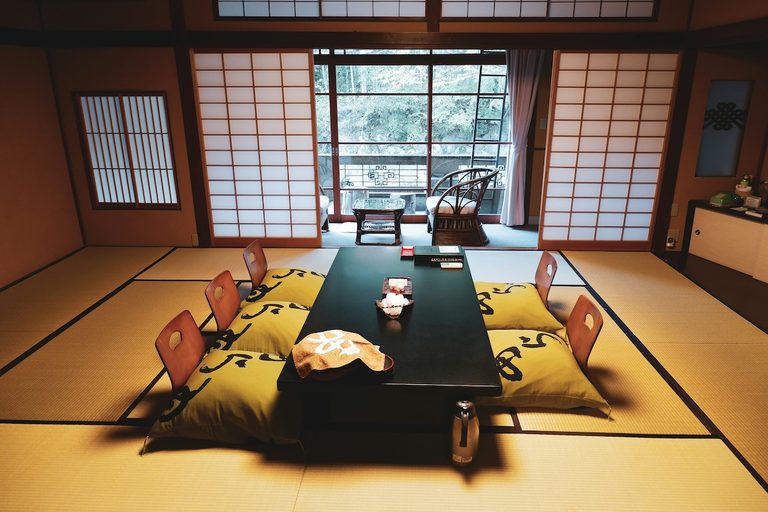
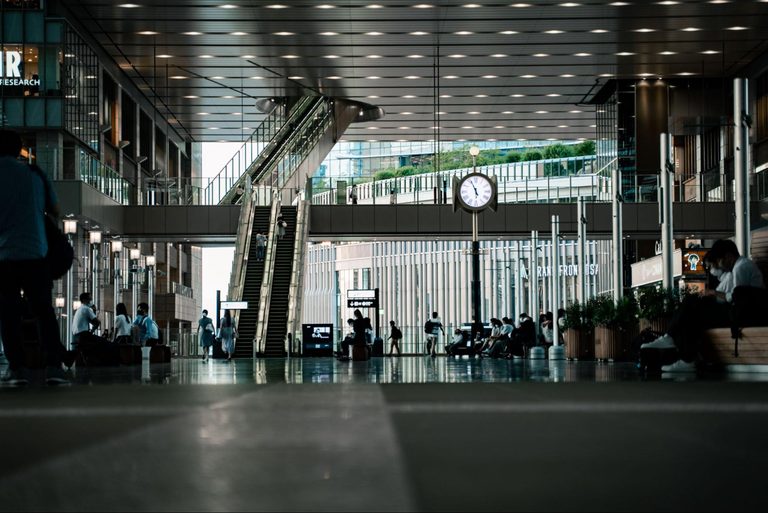
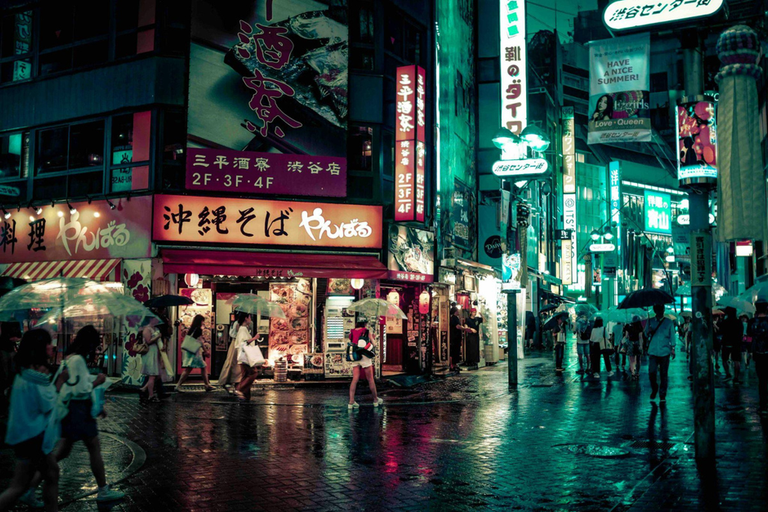
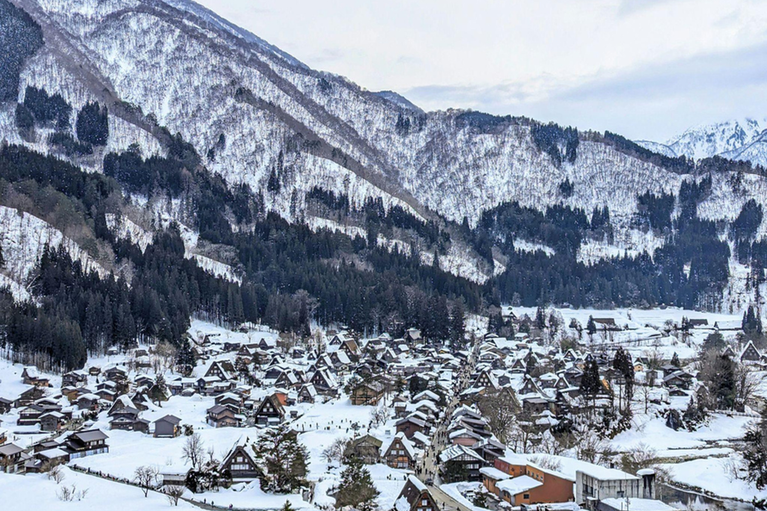
Photo: Unsplash
Introduction
Many visitors to Japan share the same worry before their trip. “What if I do something rude without realizing it?” “I know Japanese people are polite, but what exactly should I be careful about?” “I do not want to embarrass myself.”
You do not have to worry about it too much. Japanese etiquette is not as complicated as it might seem. Knowing a few basic rules is enough to show respect and be seen as a considerate visitor. When you take the time to try to understand local customs, the trip becomes more enjoyable for you and the people around you.
In this article you will learn:
- Train and transport etiquette
- Restaurant and dining etiquette
- Shrine and temple etiquette
- Onsen and sento etiquette (public baths)
- Street etiquette
- Photography etiquette
Before you go, one practical tip: having mobile data on your phone makes it much easier to look up etiquette, translate signs, and navigate unfamiliar situations. Check out our recommended eSIM options for Japan here: https://getjapanesim.com
Overview
Japanese etiquette is not just a set of rules. The core idea is simple: do not cause inconvenience to the people around you.
However, it goes a little deeper than that. In Japan, it also means “reading the room,” adjusting your behavior based on your surroundings and how the air feels. The purpose is harmony. The tone of your voice, how you behave in crowded situations, and how you act at the shrine. All of these come from the same value: being aware of how your actions affect others.
In Japan, being taciturn and mindful drives most outside social interactions. If we compare this to the United-States, where being expressive and friendly is the norm, you can get into some awkward situations very quickly.
As a visitor, you do not need to understand all of the layers to this. But knowing why these customs exist makes it much easier to follow naturally, and by doing so, you’ll have an even better experience traveling in Japan.
Train and Transport Etiquette

Photo: Pexels
- Line Up on the Platform
Look for the markings on the platform that show where to stand. Always get in line at these spots. When the train arrives, wait for passengers to get off before you get on. This is the basic rule.
- Step Aside at the Doors
When the doors open, move to the side so people can get off and get on without difficulty. Always let passengers off first before boarding.
- Keep it Quiet
Phone calls are not acceptable on local trains. If you are traveling with others, keep your voice low. Also, be aware of sound leaking from your headphones. It feels quiet to you, but it might not be quiet to the person next to you.
- Respect Priority Seating area
Priority seats are usually located near the doors and are reserved for elderly people, pregnant women, and people with disabilities. You can sit there if the train is not crowded, but always give up the seat if someone who needs it gets on. Some trains also ask passengers to avoid using mobile phones near priority seating. You might find a sign in English near the seats.
- Be Aware of “Women-only carriages.”
Some trains have carriages reserved for women only. This rule is mainly during rush hours. Check the sign on the platform or carriage before boarding. You might find the sign and the time if the train has women-only cars.
- Manage Your Bags
On crowded trains, wear your backpack in front of you because someone behind you may be trying to move through. Use overhead racks if available, and never place bags on the seat next to you in a crowded train.
- About Eating and Drinking
Eating on local trains and subways is generally better avoided. A sealed water bottle or drink with a lid is usually fine, but food might be best saved for after you arrive. However, on long-distance trains like the Shinkansen, eating and drinking are perfectly acceptable.
Restaurant and Dining Etiquette

Photo: Unsplash
- “Irasshaimase” — The Welcome Greeting
When you enter a restaurant in Japan, you will likely hear “irasshaimase.” This means “ welcome,” or “Hello” — a greeting from the staff to the customer. You do not need to respond, but a small smile or nod goes a long way. The staff might appreciate it.
- Finding Your Seat
Every restaurant has its own seating system. Some places let you sit wherever you like. Others will ask you to wait at the entrance to be shown to a table. If you are not sure, just wait near the entrance, and a staff member will guide you.
- How to Order
When you are shown to your seat, the staff will usually explain how to call them and place an order. Some tables have a call button. Others expect you to raise your hand. If a staff member does not notice you, just try to say “sumimasen,” which means “excuse me”. Do not worry, this isn’t rude, they will come to you right away.
- Chopstick Manners
There are a few things you have to avoid when using chopsticks. First, do not stick them upright into a bowl of rice or any food. Second, do not pass food directly from chopstick to chopstick for any reason. Both are associated with funeral rituals in Japan. They are considered bad manners and carry a somber meaning in Japanese culture.
- “Itadakimasu” and “Gochisosama”
Before eating, Japanese people say “Itadakimasu,” and after finishing, “Gochisousama.” Both mean an expression of gratitude for the food, the ingredients, and the people who prepared the meal. If you use these phrases as a visitor, the staff or your host will be pleased.
- How to Pay
Some restaurants ask you to pay at the register. Others bring the bill to the table and pay there. If you are not sure, simply ask a staff member after your meal. Also, it is common to pay separately in Japan, if you need to pay by splitting the bill, ask the staff.
- No Tipping
Tipping is not part of Japanese culture. Leaving money on the table can actually cause confusion. Instead of tipping, if you enjoyed your meal, a simple smile and a “oishikatta desu,” which means “that was delicious,” or just say “delicious” to the staff. It will mean more to the staff than any tip.
- Leaving Food on Your Plate
Leaving a small amount of food is not a big issue in Japan. However, taking food home in a doggy bag is not a common practice at most restaurants. Ordering an amount you can comfortably finish is the easiest way.
Shrine and Temple Etiquette

Photo: Pexels
- Bowing at the Torii Gate
The torii gate is a traditional Japanese gate,usually painted vermilion, that marks the entrance to a Shinto shrine. This marks the boundary between the everyday world and the sacred space of the shrine. You may notice some visitors pausing in front of the torii gate and bowing before passing through. This is not required behavior, but knowing this small gesture, and if you choose to do it, will leave a good impression.
- Walking on the Central Path
The center of the shrine pathway, called “seichuu”, is traditionally considered the path of the gods. Try to walk along the sides rather than down the middle. During busy times, this is not always possible, so do not worry too much. Even some Japanese people do not worry about it. Just be aware of it.
- Purifying Your Hands at the Temizuya
Before approaching the main shrine, you will often find a stone basin with water. This is for purifying your hands. The basic steps are: rinse your right hand, then your left hand, cup some water in your left hand to rinse your mouth, rinse your left hand once more, then tilt the ladle upright to let water run down the handle. Washing at least both hands should be fine.
- How to Pray — Two Bows, Two Claps, One Bow
At a Shinto shrine, the standard way to pray is: bow deeply twice, clap your hands twice, make your prayer, then bow once more. At Buddhist temples, the clapping is skipped; simply bow with your hands pressed together. And you might see a wooden offering box in front of the main hall. Toss a coin gently into the box before praying. There is no required amount; any small coin is fine.
- Photography
Taking photos of the grounds, gardens, and architecture is generally fine. However, photographing inside the main hall or near sacred objects is often restricted. Always check for no-photography signs before taking pictures.
- Keep Your Voice Down
Shrines and temples are places of prayer and reflection for local people. Do not have a loud conversation or disruptive behavior. Keeping calm and quiet is appreciated.
Onsen and Sento Etiquette

Photo: Unsplash
- Wash Your Body Before Getting into the Bath
Before getting into the bath, you always need to rinse yourself with hot water or wash your body thoroughly at the shower station. This is an important rule in any Japanese public bath. Entering clean is essential because everyone will share the water. Also, warming your body up with hot water makes you adjust to the temperature of the bath, and you can enjoy the bath longer.
- Keep Towels and Swimwear Out of the Bath
Do not put any towels or swimwear in the bath. This is also a common rule in Japanese public baths. Leave your small towels on your head or left at the edge of the bath when you are taking a bath. And in most public baths, swimwear is not worn at all; bathing is done without clothes.
- Tie Up Long Hair
If you have long hair, tie it up before taking a bath. Hair should not touch the water.
- Keep Quiet and Calm in the Bath
The onsen and sento are places for relaxing quietly. Do not swim or splash in the bath. And keep your voice low, and move slowly.
- Be Careful with the Shower
When you are using the shower station, make sure the water does not splash around you.
Someone might also be taking a shower beside you or behind you. Keep the shower head low and aim at yourself.
- No Cameras in the Changing Room
In the changing room, be quiet and respect other people’s privacy. Using a camera or a phone to take photos is strictly banned. This applies to everyone, without exception.
- Check the Rules on Tattoos
Many public baths in Japan do not allow tattoos. If you have a tattoo, check the facility’s rules before visiting. Some places offer private baths as an alternative. Also, if your tattoos are small, covering them with tape should be fine. If any part of your tattoo is visible, you may be asked to leave, even if it is just a small part showing.
- Tidy Up After Yourself
When you are done at the shower station, give the stool and bucket a quick rinse and put them back where you found them. Always keep the changing room clean.
- Dry Off Before Returning to the Changing Room
Before going back into the changing room, wipe your body with your small towel. This keeps the changing room floor dry for everyone.
Street Etiquette

Photo: Unsplash
- Be Aware of Eating While Walking
In some areas, especially popular tourist spots, eating while walking is discouraged or even restricted. Check local rules before you start snacking. Even where it is allowed, being aware of the people around you is always a good idea.
- Take Your Rubbish With You
Public waste stations are rare in Japan. Do not leave litter on the street. Please take it with you until you find a way to dispose of it properly. A small plastic bag from a convenience store is very useful to carry with you.
- Forming a line
Japan has a strong lineup culture. At bus stops, train platforms, and popular restaurants, people line up in order and wait their turn. Do not cut in line. This is considered very rude.
- Stand to One Side on Escalators
On escalators, it is common to stand to one side so that people in a hurry can walk past. Which side depends on the city; Tokyo generally keeps the left side free, while Osaka traditionally keeps the right. However, some stations now ask people not to walk on escalators at all for safety. Follow the signs and match the behavior of those around you.
- Keep Phone Calls Quiet in Public
Lower your phone volume in quiet public spaces. If you need to make a call, step to the side and speak quietly. Loud phone conversations in shared spaces are considered inconsiderate.
- Watch for No-Smoking Zones
Smoking on the street is banned in many areas of Japan, especially historic preservation districts. Look for designated smoking areas before lighting up. Ignoring no-smoking signs can result in a fine in some cities.
- Keep It Down in Residential Areas at Night
If you are walking through a residential neighborhood late at night, keep your voice low. Loud conversations after midnight disturb people who live nearby.
- Try Not to Stop in Busy Areas
At crossings, train stations, and busy streets, avoid stopping suddenly or walking against the flow of people. Stay aware of those around you and try to match the pace and direction of the crowd. Remember that some people are simply going about their daily lives.
Photography Etiquette

Photo: Unsplash
- Ask Before Photographing People
Always try to get permission before photographing strangers. In Kyoto, photographing maiko (apprentice geisha) and people in traditional dress without consent has become a serious problem. Chasing people to get a shot is disrespectful and unwelcome. Treat people with dignity, not as a backdrop for your content. Also, never enter private property without permission, even if it looks like an interesting spot.
- Check for No-Photography Signs
Shrines, temples, museums, and shops often have restricted areas where photography is not allowed. Always look for signs before taking out your camera. When in doubt, ask a staff member.
- Turn Off Your Flash When Required
Flash photography can damage artwork and cultural artifacts. In places where flash is prohibited, turn it off before entering. This is also usually clearly indicated by signs.
- Do Not Block the Flow of People
At popular spots and busy locations, try to avoid stopping for long periods to take photos. Other visitors and locals need to pass through. Take your shot and move on as quickly as possible.
- Avoid Taking Photos on Trains
Out of respect for other passengers’ privacy, avoid taking photos inside train carriages. People did not consent to being photographed on their commute.
Travel Tips
- Watch What the People Around You Do
There is an important saying to remember when traveling : “When in Rome, do as the Romans do.” This saying applies perfectly to Japan. Even Japanese sometimes do not know the rules in different areas. So they always try to follow those around them. When you are not sure about something, look at what the locals are doing and match their behavior.
- Try to Say “Sumimasen” and “Arigatou.”
“Sumimasen” means “excuse me,” also “Sorry”. “Arigatou” means “Thank you”. Trying to use some Japanese words shows respect and effort, and people appreciate it.
- Do Not Be Afraid to Make Mistakes
Nobody expects you to follow every rule perfectly. What is important is that you are trying and respectful. If you make a small mistake, just a sincere, quick “Sumimasen” is usually enough. Japanese people understand their rules and etiquette are hard to understand for visitors from other countries.
- Use Google Translate
Most of the signs, notices, and menus in Japan are in Japanese only. Google Translate’s camera lets you point your phone at any text and get a translation. This is especially useful for reading rules or etiquette notices in any area.
- Stay Connected with an eSIM
Having internet access on your phone makes navigating Japan much easier. With an eSIM, you can look up local rules, translate signs, and check etiquette guides on the spot, no Wi-Fi needed. Check out our recommended eSIM options for Japan here: https://getjapanesim.com
Summary

Photo: Unsplash
Japanese etiquette might seem complicated at first. However, most of the things in this guide come from the same place: consideration for the people around you.
You do not need to follow every rule perfectly. What matters is the intention — showing that you are aware, and that you are trying. If you make a mistake, a genuine smile and a quiet “sumimasen” are enough. Japanese people are generally understanding toward foreign visitors.
Knowing even a little about local etiquette can change the quality of your trip. It brings you closer to the people around you, opens doors to more experiences, and helps you feel more comfortable. The goal is not to memorize a list of rules. It is to understand the thought behind them, a culture built on thoughtfulness and care for others.
Enjoy every moment of your time in Japan.
To stay connected while you navigate temples, train stations, restaurants, and everything in between, an eSIM makes it easy to look things up on the spot. Check out our recommended eSIM options for Japan here: eSIM Japan