Photo: Unsplash
If you’re visiting Japan for the first time, there’s a good chance you’ll find yourself wondering: wait… is this a temple or a shrine? You’re not alone. Even seasoned travelers mix them up at first. They can look similar at a glance, and guidebooks don’t always explain the difference in a clear, simple way.
You might walk through a quiet garden, see a wooden building ahead, notice people tossing coins and bowing… and still not be entirely sure where you are. But once you know what to look for, telling them apart becomes surprisingly easy. And more importantly, understanding the difference makes each visit feel more intentional, not just another stop on your itinerary.
Here’s a simple, no-stress guide to help you recognize temples and shrines — and actually enjoy them with a bit more confidence.
The Big Difference: Two Different Religions

Photo: Unsplash
The easiest way to understand temples and shrines is this:
- Shrines are part of Shinto, Japan’s native belief system
- Temples are part of Buddhism, which was introduced from mainland Asia
That’s the foundation everything else builds on. Shinto is deeply connected to nature. It centers around kami — spirits believed to exist in natural elements like mountains, trees, rivers, and even specific places. Because of that, shrines are often found in peaceful, natural settings, or at least designed to feel open and connected to the outdoors.
Buddhism focuses more on personal reflection, the nature of life, and the path toward enlightenment. Temples are places for prayer, learning, and contemplation, and the atmosphere often reflects that — a little quieter, a little more inward. You don’t need to dive deep into either religion to appreciate these places. Just knowing they come from different traditions already helps you see them in a new way.
Why They Sometimes Feel Similar

If they’re so different, why do they seem so alike at first? Part of the reason is history. For centuries, Shinto and Buddhism in Japan were closely intertwined. In many places, shrines and temples were built within the same complexes, and people visited both without thinking of them as separate entities. Even today, you might find a shrine right next to a temple, or even within the same grounds. It’s not unusual — and it’s one of the reasons the distinction can feel blurry.
Architecture also plays a role. Both use natural materials like wood, both feature detailed craftsmanship, and both are designed to create a sense of calm. To someone new to Japan, those similarities can easily outweigh the differences at first glance. But once you start noticing the details, the contrast becomes clear.
How to Tell the Difference at a Glance

Photo: Unsplash
You don’t need a guidebook in hand. A few visual cues are usually enough.
Look for a Torii Gate: It’s a Shrine
If you see a large gate at the entrance — often painted vermillion — that’s called a torii. That’s the clearest sign you’re entering a shrine. Torii gates mark the boundary between the everyday world and a sacred space. Walking through one is more than just passing an entrance — it’s a symbolic step into a place where kami are believed to be present. Some shrines have a single gate standing quietly at the entrance. Others have long pathways lined with many gates, creating a kind of tunnel as you walk through.
Look for Buddha Statues: It’s a Temple
Temples don’t have torii gates. Instead, you’ll often notice:
- Statues of Buddha or other Buddhist figures
- Incense burners with smoke drifting upward
- Large main halls with a more enclosed feel
- Pagodas (multi-tiered towers)
If you see visitors lighting incense and gently fanning the smoke toward themselves, you’re definitely at a temple. The presence of statues is one of the easiest clues. Shrines generally don’t display human-like figures in the same way.
Water Basins vs. Incense
Both temples and shrines involve small rituals, but they show up differently. At shrines, you’ll usually find a water basin near the entrance, with wooden ladles lined up neatly. Visitors use these to rinse their hands and sometimes their mouth before approaching the main hall. It’s a simple act of purification. At temples, the focus is often on incense instead. Visitors light a stick, place it in a burner, and may use the rising smoke as a way to symbolically cleanse themselves. These small differences are often easier to notice than the buildings themselves.
Visiting Etiquette: What to Do (and Not Do)

Photo: Unsplash
You don’t need to follow every step perfectly. No one expects visitors to get everything right. But knowing the basics helps you feel more comfortable — and shows respect for the space.
At a Shrine
A typical visit might look like this:
- Bow slightly before passing through the torii
- Walk to the side of the path (the center is considered more sacred)
- Cleanse your hands at the water basin
- Approach the main hall
- Toss a coin into the offering box
- Bow twice, clap twice, then bow once
This “two bows, two claps, one bow” pattern is common, but it’s okay if you don’t remember it exactly. The important part is the intention.
At a Temple
Temples are generally a bit more flexible.
A common flow is:
- Light incense (if available)
- Offer a small coin
- Bring your hands together and quietly pray
There’s no clapping here. The mood tends to be calmer and more reflective, so speaking softly and moving slowly fits the atmosphere.
General Tips for Both
- Keep your voice low and be aware of your surroundings
- Avoid eating while walking through sacred areas
- Be mindful when taking photos, especially indoors
- Follow any posted signs
You don’t need to stress about getting everything perfect. A little awareness goes a long way.
Small Details That Make a Big Difference

Photo: Unsplash
Once you know the basics, you’ll start to notice smaller details that help you tell the difference even faster.
At shrines, you might see:
- Fox statues (often linked to certain deities)
- Wooden plaques where visitors write wishes
- Rope decorations marking sacred areas
At temples, you might notice:
- Bells that visitors ring before praying
- Rows of small statues along pathways
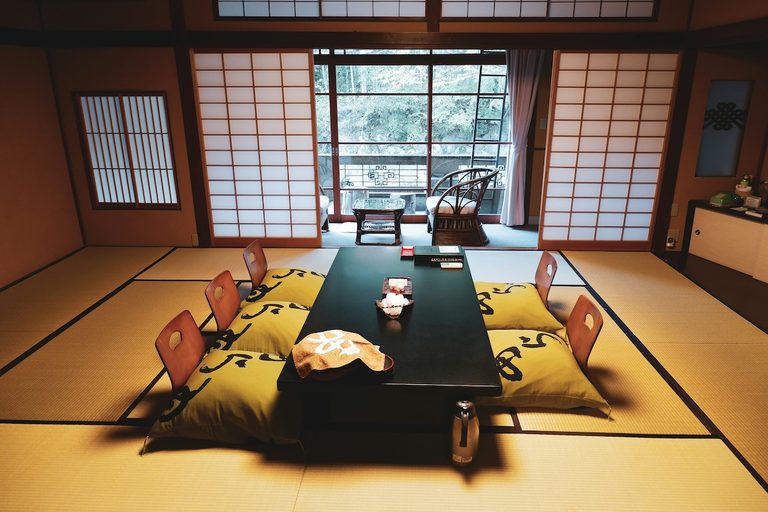
- Sliding doors and tatami-floored interiors
These details aren’t just decorative — they reflect how each place is used and experienced.
Which One Should You Visit?

Photo: Unsplash
Shrines and temples offer different experiences, and that contrast is part of what makes traveling in Japan so interesting. Shrines often feel lighter and more open. You might walk under a canopy of trees, hear the wind move through the leaves, and come across a quiet space that feels slightly hidden from the world. Temples tend to feel more grounded and still. The scent of incense, the sound of footsteps on wooden floors, and the presence of statues create a slower, more reflective mood.
If you’re visiting cities like Kyoto, Tokyo, or Nara, you’ll naturally encounter both — sometimes within minutes of each other.
Common Mistakes First-Time Visitors Make

Photo: Unsplash
Even after learning the basics, it’s easy to mix things up — especially when you’re moving quickly from one place to another. One common mistake is assuming all rituals are the same. Clapping, for example, is typical at shrines but not at temples. It’s a small difference, but once you notice it, it sticks. If you’re unsure, just take a quick look at what others are doing nearby.
Another mistake is rushing. Temples and shrines aren’t just photo spots. People visit them to pray, reflect, or simply take a quiet moment. Moving too quickly or treating them like a checklist can make you miss what makes them special. Even slowing down for a few minutes can change the experience.
When to Visit for the Best Experience

Photo: Unsplash
Timing can make a bigger difference than you might expect. Early morning is usually the best. The crowds are smaller, the air feels fresher, and the overall atmosphere is calmer. You’ll notice sounds you might otherwise miss — birds, wind, footsteps. Late afternoon is also a good option, especially as the light softens and things quiet down. Midday tends to be the busiest, particularly at well-known spots. If you visit then, try stepping away from the main paths to find quieter corners.
Another thing to keep in mind is the day of the week. Weekends and public holidays tend to be much busier, especially at well-known temples and shrines. You’ll often see larger groups, longer lines at popular spots, and a more crowded atmosphere overall. If your schedule allows, visiting on a weekday can make a noticeable difference.
It’s also worth thinking about location. Sites that are easy to access — especially those close to major stations — usually attract more visitors throughout the day. If you’re hoping for a quieter experience, consider heading a little further out or choosing places that require a short walk. Even within the same area, small choices can help. Arriving just 30 minutes earlier, taking a slightly less direct route, or stepping away from the main entrance can lead you to calmer, less crowded spaces. You don’t need to completely avoid popular places — just adjusting your timing and approach can make them feel surprisingly different.
Seasonal Differences: What Changes Throughout the Year

Temples and shrines change with the seasons — and that’s part of what makes visiting them more than just a one-time experience:
Spring brings cherry blossoms, often framing shrine paths and temple grounds in soft pink. It’s beautiful, but also busy.
Summer feels greener and more vibrant. Some shrines host festivals during this time, adding a lively, energetic atmosphere.
Autumn is known for its colorful leaves. Temples in particular become popular, as red and orange foliage pairs beautifully with traditional architecture.
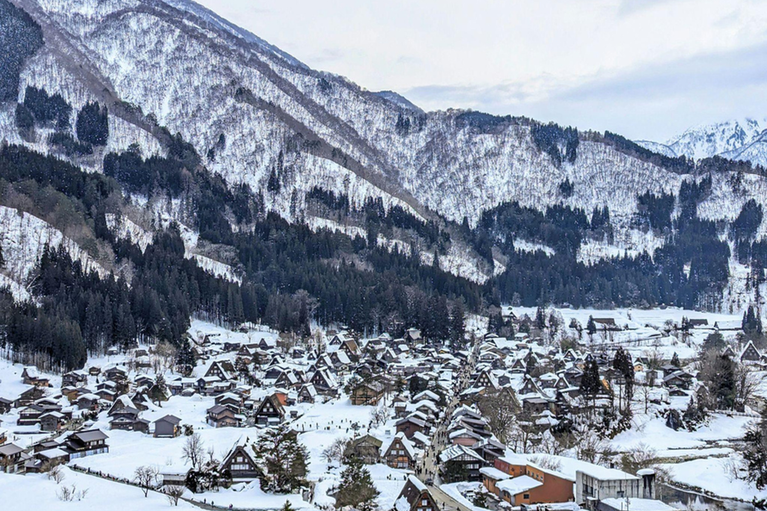
Winter is quieter. In some places, snow covers rooftops and pathways, creating a calm, almost still atmosphere.
Each season offers a slightly different perspective.
A Quick Note on Photography

Photo: Unsplash
It’s completely natural to want to take photos — these places are incredibly photogenic. Outdoor photography is usually fine. Take your time and enjoy capturing the details. Indoors, rules can vary. Some places don’t allow photos, while others may only restrict the use of flashes. Always check for signs, and when in doubt, it’s best to hold back. It’s also worth remembering that not every moment needs to be captured. Sometimes just being there is enough.
Summary

Photo: Unsplash
Getting temples and shrines mixed up is completely normal. Almost everyone does it at first. But once you learn a few simple signs, it quickly becomes second nature. Look for a torii gate. Notice whether there’s incense or a water basin. Pay attention to how people behave around you. That’s really all you need. Over time, you’ll stop second-guessing yourself and start appreciating the differences without even thinking about it.
So as you explore Japan, don’t worry too much about getting everything perfect. Just stay curious, take your time, and let each visit teach you something new. Enjoy the experience — and take it one step at a time.
Don’t forget to stay connected during your trip with a Japan eSIM — it makes navigating, checking routes, and finding nearby spots much easier while you’re on the go.
Have a great trip, and enjoy discovering the small details that make each temple and shrine unique.