Photo: unsplash
Introduction
A Japan travel agent can help first-time visitors plan their trip to Japan more smoothly by arranging routes, hotels, tours, and providing support for the parts that feel hard to do alone.
Japan is easy to enjoy when your route is simple. But the first trip can still feel full of small choices. Which airport should you use? Should you stay near Tokyo Station or Shinjuku? Is a rail pass worth it? How do you book a ryokan? Should you join a guided tour in Kyoto, or walk by yourself?
You do not need a perfect plan. You need a plan with enough space.
You will probably check maps, train times, hotel addresses, restaurant hours, and booking pages many times during the day. Many travelers find it helpful to have mobile data available before they arrive. mobile data options for Japan
Station exits, timing, luggage routes, and the order you visit places often shape how the day feels more than the main destinations do. A travel agent can help with those choices, but only if you use the agent for the right parts of the trip.
In this article, you will learn what a Japan travel agent can do, when using one is worth it, when independent travel may be better, how to choose an agent without losing too much freedom, and what to prepare before you book. By the end, you should know whether you need a travel agent, what to ask, and what to read next before building your Japan itinerary.
Overview

Photo: Unsplash
A Japan travel agent is useful when your trip has many moving parts: several cities, hotels in different areas, Shinkansen or domestic flights, rural transport, ryokan stays, guided tours, theme park tickets, luggage delivery, or special meals and accessibility needs.
In Japan, travel businesses and travel agent businesses are subject to registration under the Travel Agency Act. The law says a person who intends to engage in travel business or travel agent business must obtain registration from the Commissioner of the Japan Tourism Agency. This does not mean every agent is right for your trip. It means you should check who you are booking with, what they arrange, and what support they offer.
A Japan travel agent is usually a good fit for first-time visitors who feel unsure about transport, families who want fewer transfers, travelers with large luggage, older travelers who want a slower pace, honeymooners or special occasion travelers, visitors who want ryokan or countryside stays, and people who want English support if plans change.
An agent may not be needed for a simple Tokyo-only trip, a short Osaka and Kyoto visit, or travelers who enjoy planning every detail and want the freedom to change direction each day. Budget travelers who prefer booking everything independently will often find it easier to manage on their own.
Japan has a wide transport network that includes trains, Shinkansen, local buses, long distance coaches, and taxis. The official Travel Japan guide from JNTO gives general transport information for visitors.
The real question is not whether you should always use a travel agent. The better question is: which parts of my Japan trip are hard enough to deserve help? For many first-time visitors, the best answer is a mixed plan. Book simple city stays by yourself, then use a travel agent or guided tour for the parts that are harder to arrange.
Best Things to Do Before Choosing a Japan Travel Agent
Decide what you want help with
Before you contact a Japan travel agent, write down the parts that worry you most. Do not start with “Please plan my whole trip.” The more specific your question, the more useful the answer.
Some examples that tend to get better responses:
- I want to visit Tokyo, Kyoto, and Osaka. Which order is easier?
- I want to stay in a ryokan. Can you help me choose one?
- I want to visit Mt. Fuji or Hakone. Which route is easier with luggage?
- I want to visit rural Japan. Do I need a car, bus, or guide?
- I want a slower trip for my parents. Can you reduce transfers?
If you only say “I want to see Japan,” you may receive a very general package with many places but not the right pace.
Ask for a route, not only a list of places
Many first-time visitors approach Japan as a list. Tokyo. Kyoto. Osaka. Nara. Hiroshima. Hakone. Mt. Fuji. The problem is not the list. The problem is the order, and the space between each stop.
A smooth trip often comes down to smaller decisions: where you sleep first, which city comes next, when you move with luggage, where you keep free time, and which day should not be too full. Ask the travel agent to explain the reasoning behind the route, not just the names on it.
Good questions to ask:
- Why is this city order better?
- Where will I have the longest travel day?
- Can I stay two nights in one place instead of moving every night?
- Is this route still easy if it rains?
- What should I skip if I feel tired?
A good route is not always the fastest route. If you have luggage, fewer transfers can make the day considerably easier.
Check what is included and what is not
A Japan travel agent package may include hotels and transport, but not every meal, ticket, or local bus. Before you book, ask for a clear list. The details that matter most are often the ones left off the summary page.
Check for: hotels, airport transfers, train tickets, domestic flights, guided tours, activity bookings, luggage delivery, meals, entrance tickets, theme park tickets, ryokan dinner and breakfast, emergency support, and cancellation rules.
A package can look simple on the booking page, but the details matter on the day. “Transport included” may not cover every local bus or taxi.
Use the agent for difficult days
You may not need help every day. Tokyo, Osaka, and central Kyoto are often easy to explore with a simple plan. Where a travel agent earns its value is on the days that are harder to get right on your own.
Those days tend to look like: airport arrival after a long flight, ryokan check-in with meal times, Mt. Fuji or Hakone route planning, rural bus connections, snow season travel, island travel, long family trips, special activity bookings, and travel with special medical, mobility, or dietary requirements.
For first-time visitors, the best plan is not the busiest one. It is the one you can actually enjoy.
Keep free time in the plan
Many first-time visitors try to see too much. The plan may look possible online, but on the day you also need time to find the correct platform, use coin lockers, check exits, wait for a table, buy drinks, rest your feet, take photos, and change course if it rains. That buffer disappears fast.
Ask the agent to leave open space. For a first trip, free time is not wasted time. It is what lets you enjoy the trip instead of chasing the schedule.
Recommended Spots: Where a Japan Travel Agent Helps Most
These are not only sightseeing spots. They are the trip types and situations where using a Japan travel agent tends to make a real difference.
1. Tokyo, Kyoto, and Osaka First Trip
The Tokyo-Kyoto-Osaka route is the classic starting point for first-time visitors to Japan. Most people can plan it independently, but the details that trip people up are rarely the big decisions. They are the smaller ones: which order makes sense for your flights, which hotel areas cut down on luggage transfers, and how to avoid spending a full travel day stuck between cities with nowhere to leave your bags.
This route works best over 7 to 10 days, with two or three base hotels rather than moving every night. Spring and autumn are the most comfortable seasons for the amount of walking involved. Tokyo, Osaka, or Kansai International Airport all work as entry points, and the best order usually depends on where you fly in and out.
Tokyo
- Official website: Tokyo Official Travel Guide
- Location: Google Maps
Kyoto
- Official website: Kyoto Official Travel Guide
- Location: Google Maps
Osaka
- Official website: Osaka Official Travel Guide
- Location: Google Maps
2. Kyoto and Nara Temple Days

Photo: Unsplash
Kyoto and Nara are easy to love and surprisingly easy to get wrong. The temples are close together on a map but spread across different bus lines, walking routes, and time requirements. An itinerary that looks tight on paper can collapse quickly once you factor in the queues at Fushimi Inari, a slow lunch, and an unexpected downpour.
Plan for 1 to 3 days and start early. Temple areas are considerably quieter before mid-morning. Kyoto Station is the main rail base, and which exit you use can change the first 20 minutes of your day more than people expect.
A practical approach: pick one main area per day, add a nearby lunch spot, and leave room for one quieter stop. Stacking five temples across the city in a single day tends to end badly.
Kyoto
- Official website:Visit Kyoto
- Location: Google Maps
Nara
- Official website:Visit Nara
- Location: Google Maps
3. Hakone or Mt. Fuji Area
Hakone and the Mt.Fuji area offers a different pace from the cities: mountain scenery, onsen stays, open-air museums, and lake views. A travel agent adds real value here because the route involves multiple transport modes, and weather can shift the whole plan.
Most routes start from Tokyo or Odawara. Whether to use train, bus, private transfer, or a package ticket depends on your hotel, luggage, and how much you want to plan on the day. Budget 1 to 2 nights. Morning or early afternoon arrival works better because mountain weather changes and transport thins out after the evening.
One thing worth knowing: Mt. Fuji views are not guaranteed. Clouds cover the summit more often than the photos suggest. Build the day around the area itself, not one shot.
Hakone
- Official website: Hakone Official Guide
- Location: Google Maps
Mt. Fuji
- Official website: Mt. Fuji Official Website
- Location:Google Maps
4. Ryokan and Onsen Stay

Photo: Unsplash
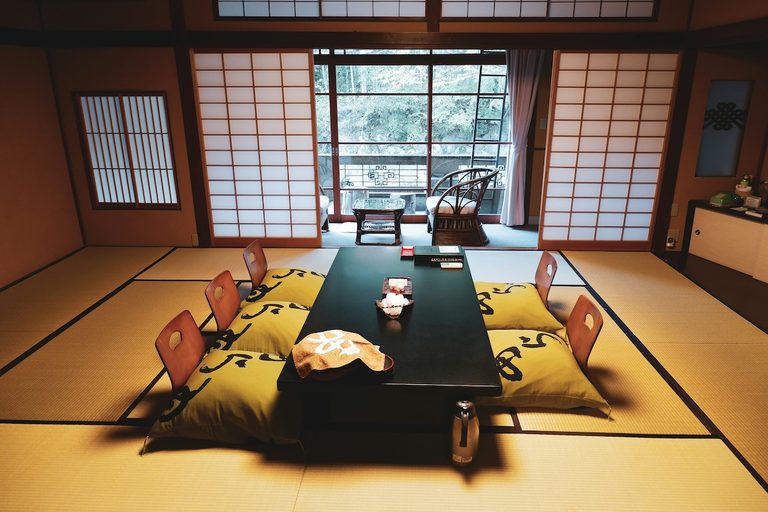
A ryokan is a Japanese inn with tatami rooms, set meals, and onsen baths. The experience is worth doing at least once, and getting the details right matters more than it does with a regular hotel. Meal times are fixed, bath etiquette has rules, and same-day changes to dietary requests are usually not possible.
For a first ryokan stay, one night is enough to get a feel for it. Arrive before dinner service. Choose a property with straightforward access from a main station rather than something deep in the mountains, which adds a logistical layer you do not need on a first visit.
Tell the agent about food needs before booking. That conversation is much easier before payment than after.
5. Rural Japan, Japanese Alps, Shikoku, or Kyushu
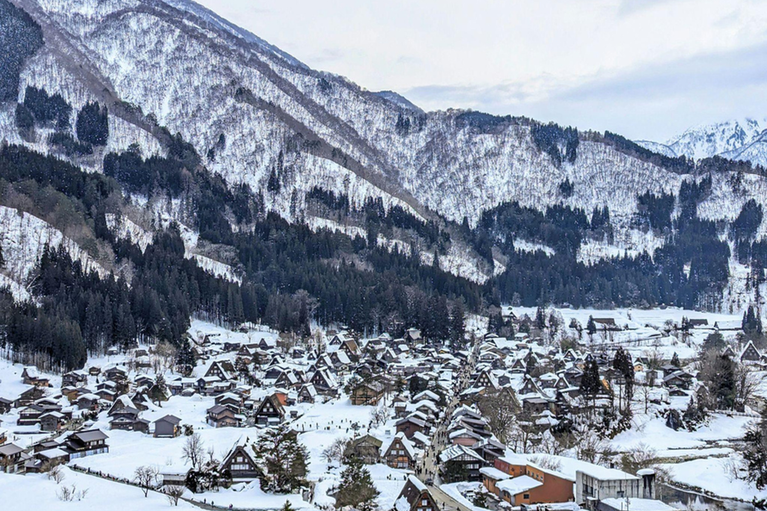
Rural Japan is where the country gets quieter, slower, and harder to plan independently. Buses run less frequently, connections are tighter, and the gap between what looks close on a map and what takes three hours by local transport is wider than most people expect.
A travel agent can help with rail passes, rural bus schedules, rental car logistics, and hotels near transport points. The general approach: use a major city as your entry point, then move into the region. Allow 3 to 7 days depending on the area. Daytime travel is strongly recommended, particularly in areas where you are unfamiliar with the roads or local services.
6. Theme Parks, Events, and Timed Tickets
Theme parks and major seasonal events require advance planning in a way that regular sightseeing does not. Tickets sell out. Hotels near popular parks fill up months ahead. And if your transport, accommodation, and ticket timing do not align, the day can unravel before it starts.
A travel agent is useful here if the coordination feels complicated. Plan for one full day per major park. Arrive early, because the first hour sets the pace for everything after. Keep the evening simple and close to your hotel. A long day at a theme park does not pair well with a cross-city dinner reservation.
Official website:Tokyo Disney Resort
Location: Google Maps
7. Special Needs, Family Travel, or Older Travelers
Japan is generally accessible, but the gap between accessible and comfortable depends on your specific situation. Large stations have elevators, but finding them in places like Shinjuku or Osaka takes time. The map may say 10 minutes, but that estimate rarely accounts for a suitcase, a child, rain, or tired legs.
A travel agent can identify step-free routes, hotels near station elevators, private transfer options, and itineraries that build in slower pacing. For families with young children, older travelers, or anyone with mobility considerations, this kind of planning is worth the cost.
Official website: Traveling with a Disability in Japan
Travel Tips
Check the agent’s registration and company details
Before booking, check the company name, address, contact details, and cancellation rules. If the company is based in Japan, ask about its travel business registration. JATA provides a member roster that can be searched by specialty, country, or region. It does not replace your own judgment, but it gives you one more reference point before paying.
Ask for hotel areas, not only hotel names
A hotel name tells you very little without knowing the area. Ask whether it is near a major station, whether the route is manageable with luggage, whether restaurants are close by, whether the area is quiet at night, and which exit to use. In large stations, the exit often matters more than the distance shown on the map.
Keep your first day light
After a long flight, even routine tasks take more energy than usual. Finding the right train, checking in, buying a drink, and getting a sense of the area around your hotel can fill an afternoon. Ask your agent to keep arrival day simple: airport to hotel, a straightforward dinner nearby, and an early night. Do not plan a long transfer or a late-night activity unless you already know how you travel after a long-haul flight.
Choose fewer transfers when carrying luggage

Photo: Unsplash
The fastest route is not always the easiest one. A route with fewer transfers can make the day considerably smoother when you are carrying a large suitcase, and this is especially true at larger stations like Shinjuku, Tokyo, Osaka, and Kyoto.
Ask your agent how many transfers are involved, whether elevators are on the route, whether luggage forwarding is an option, and whether a taxi makes more sense for a particular leg. A small adjustment at the planning stage saves real effort on the day.
Do not book every meal in advance
Ryokan dinners, special restaurants, and meals with dietary requirements need to be arranged early. Everything else can stay flexible. Station food, department store food halls, small local restaurants, and convenience store breakfast options are all part of how people actually eat in Japan. Blocking out every meal in advance makes the schedule rigid in ways that rarely help.
Prepare mobile data before arrival
Your phone will get a lot of use in Japan: train connections, station exits, walking routes, hotel addresses, translation, restaurant hours, ticket QR codes, and weather checks all happen on the go. Having a working data connection before you land removes one layer of uncertainty from arrival day.
Ask what happens if plans change
Before you pay, find out how support works. Is there English-language assistance, and during what hours? Who do you contact if a train is delayed or a tour is canceled? Can the itinerary be adjusted for weather? What are the cancellation terms? A good agent should be able to answer these questions clearly. If the answers are vague, that is worth knowing before you commit.

Photo: Pexels
Arrival Tips
This section covers access planning. Since this article is about using a Japan travel agent rather than a single destination, the focus here is on how your agent should help you move after arrival. Travel times vary depending on train type, transfer time, season, and service changes. Check the latest route on the day of travel.
From Tokyo Station
Tokyo Station is the main hub for Shinkansen connections and many city routes. Ask your agent which entrance or exit to use, where to board the Shinkansen, whether seat reservations are needed, and how to manage luggage on the day. Tokyo Station is large. If you are new to Japan, build extra time into the plan before your first departure.
From Shinjuku Station
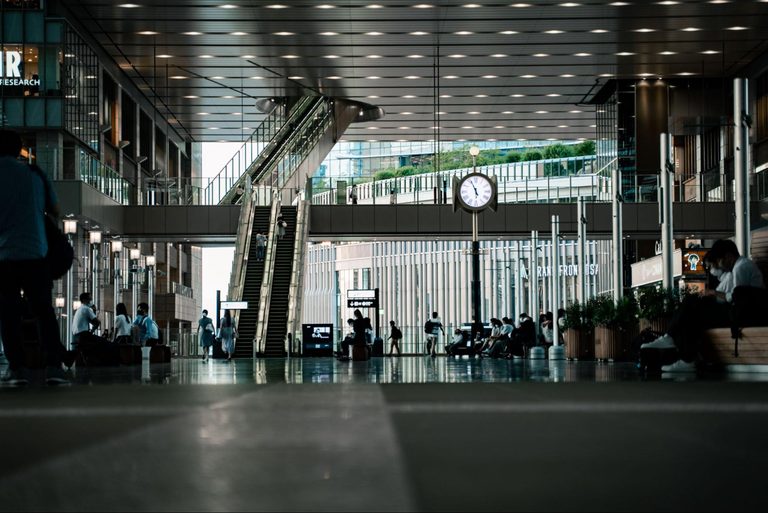
Shinjuku is one of the busiest stations in the world and genuinely difficult to navigate on a first visit. If your hotel or tour starts near Shinjuku, ask for the exact exit number, a landmark, and a backup meeting point. “Meet at Shinjuku Station” is not a workable instruction. If you have luggage, a taxi from the correct taxi stand is often more practical than crossing the station concourse.
From Osaka Station and Umeda
Osaka Station and Umeda occupy the same area but operate under different names and networks, which confuses a lot of first-time visitors. Ask your agent whether to use JR Osaka Station or Osaka Metro Umeda, which exit is closest to your hotel, and whether the underground passages are useful or likely to disorient you. On rainy or hot days, underground routes can help, but save your hotel address before you go in.
From Kyoto Station
Kyoto Station is the starting point for most visits to the city. From here, travelers use buses, trains, taxis, or walking routes to reach temples, hotels, and restaurants. Ask your agent whether your hotel is better reached by taxi or public transport, which temple areas can be grouped on the same day, and where carrying luggage will cause the most friction. In Kyoto, route order matters. Crossing the city multiple times in a day tends to be both tiring and unnecessary.
From Kansai International Airport
Kansai International Airport serves Osaka, Kyoto, Nara, and much of western Japan. After a long flight, a luggage-friendly arrival route often matters more than the shortest one. Ask your agent about the train or airport bus options, walking distance from your arrival station, late arrival logistics, and what to do if your flight is delayed.
From Haneda or Narita Airport
Both airports connect to Tokyo, but the best route depends on where you are spending your first night, not which airport you land at. Ask your agent to plan the arrival route based on your hotel area. Good first-night locations are usually places with straightforward airport access and food options nearby, so that arrival day stays simple.
Staying Connected in Japan
Maps, train schedules, hotel addresses, and translation all rely on your phone throughout the day. In large stations or unfamiliar areas, having mobile data available makes small adjustments much easier.
A stable connection helps with small moments: finding the right station exit, checking a delayed train, translating a menu, or showing your hotel address to a taxi driver. mobile data options for Japan