
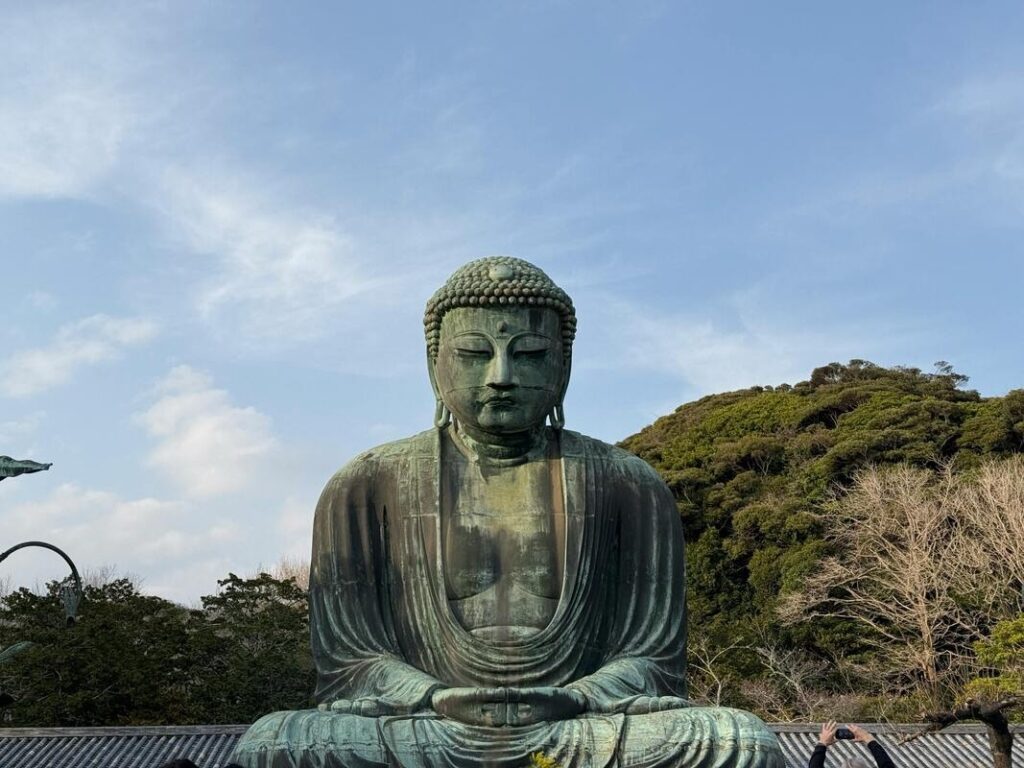
Photo: pexels
Just an hour south of Tokyo lies Kamakura, a coastal gem that feels like a world of its own.
It’s a place where the salty air of the Shonan coast mingles with the scent of incense from centuries-old temples.
Once the iron-fisted political capital during the Kamakura Shogunate, the city has since traded its warrior’s grit for a serene, spiritual soul.
Today, it’s famous for its stunning Zen gardens, hidden shrines, and a landscape that transitions seamlessly from lush mountains to sandy beaches.
In this guide, we’re going to dive into:
- The Rise of the Shogun: Why Kamakura became the ultimate hub for Buddhist and Shinto culture.
- The Must-Sees: A curated look at the iconic temples and shrines you can’t miss.
- Pro Tips: How to navigate the crowds and find those quiet, magical moments.
Whether you’re here to geek out on history, find your Zen, or just take a scenic hike, Kamakura has a way of staying with you long after you’ve left.
Planning your first visit to Japan? See our First Time in Japan Guide.
About Kamakura
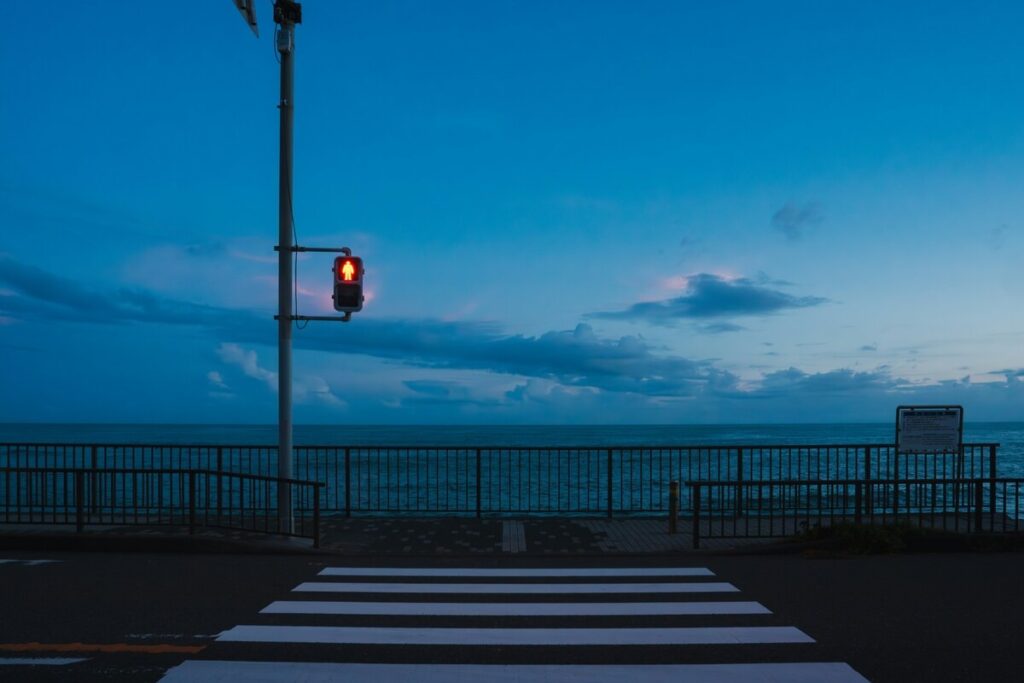
Photo: Unsplash
Back between 1192 and 1333, Kamakura was actually the heart of Japan.
While the Emperor stayed in Kyoto, the Samurai leaders (the Shogunate) ran the whole country from right here.
Because it was so important, the city became a massive hub for religion. It’s famous for a unique mix of Zen Buddhist temples and Shinto shrines.
What makes Kamakura really cool is how the buildings sit right in the middle of nature. You can explore peaceful bamboo forests, hike through green hills, or walk along the ocean cliffs all in the same afternoon.
It’s the perfect place to see Japan’s history while enjoying the fresh air.
Best Things to Do in Kamakura
Nestled between lush green mountains and the sparkling Shonan coast, Kamakura is a timeless seaside city that serves as a living museum of Japan’s medieval history.
Once the political capital of the country, it now offers a perfect blend of profound spiritual heritage, seasonal natural beauty, and a relaxed coastal vibe.
From awe-inspiring monuments to hidden Zen retreats, here are the absolute best things to experience in Kamakura.
- See the Great Buddha at Kōtoku-in: Stand before the 13-meter bronze Daibutsu, one of Japan’s most iconic statues.
- Explore Hasedera Temple: Admire the stunning gardens and the eleven-headed Kannon statue.
- Walk along the Tsurugaoka Hachimangu Shrine path: Observe traditional ceremonies and seasonal festivals.
- Stroll through Kenchō-ji: Experience the oldest Zen training monastery in Japan.
- Enjoy nature at Engaku-ji: Take a quiet walk through bamboo groves and temple grounds.
Recommended Temples and Shrines in Kamakura
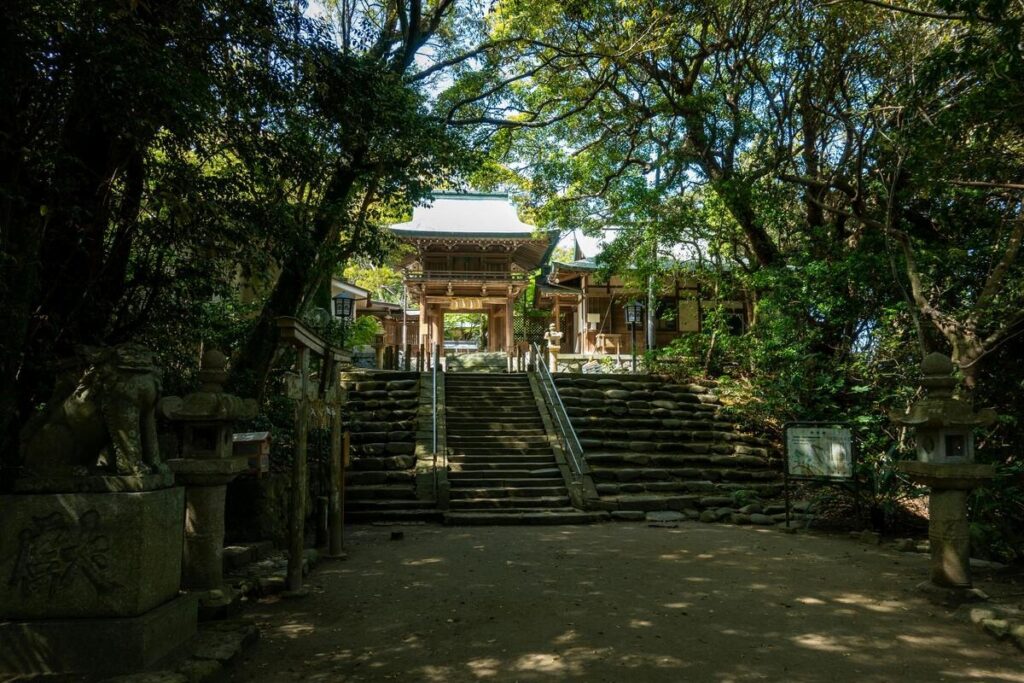
Photo: pexels
Kamakura is a beautiful city by the sea. A long time ago, it was the center of Japan’s government.
Today, it is a special place full of old temples and shrines that show us how the Samurai and Zen monks used to live.
The city is full of amazing things to see, such as:
- Giant statues that have stood for hundreds of years.
- Peaceful bamboo forests where you can sit and relax.
- Beautiful gardens that change colors with every season.
Whether you want to learn about history or just enjoy a quiet walk in nature, Kamakura is the perfect place to visit.
1. Kōtoku-in (The Great Buddha Temple)
Photo: Unsplash
If you could only see one thing in Kamakura, make it the Great Buddha. This massive out in the open bronze statue is about 11 meters (37 feet) tall, making it one of the biggest in all of Japan.
A long time ago, in the 1400s, a huge tsunami (a giant wave) washed away the temple building that used to cover it. The statue, however, stayed right where it was!
When you visit, you can:
- Look up at its peaceful face from the courtyard.
- Go inside the statue! It’s actually hollow, so you can pay a small fee to step inside and see how it was built in the 1200s.
It’s a very calm and steady place that makes you feel connected to Japan’s long history.
- The Great Buddha: A 13-meter bronze statue representing Amida Buddha.
- Temple Grounds: Peaceful spaces perfect for reflection and photography.
- Tips: Try visiting early in the morning to avoid crowds.
- Location: Google Maps
Travel tips:As Kamakura’s most famous landmark, Kōtoku-in can become very crowded by midday.
Arriving right when the gates open (usually 8:00 AM) ensures a more peaceful and contemplative experience.
2. Hasedera Temple
Photo: pexels
Hasedera is a beautiful temple built on a hill. Many people call it the “Temple of Flowers” because it is full of life and color that changes with every season.
It is one of the most famous places in Kamakura because it has a little bit of everything:
- Amazing Views: Since it’s on a hill, you can see a wide, breathtaking view of the ocean and the city below.
- Beautiful Gardens: You can walk through paths filled with seasonal flowers and lush green trees.
- Sacred Art: Inside stands a nearly 10-meter-tall wooden statue of the Goddess of Mercy. As one of Japan’s largest, its golden presence and eleven heads perfectly capture the spiritual intensity of the Kamakura era.
- Hydrangea Garden: Especially beautiful during the rainy season.
- Tips: Bring comfortable shoes for exploring hillside paths.
- Location: Google Maps
Travel tips:Hasedera is world-famous for its hydrangeas in June and its vibrant autumn colors in late November.
During the peak hydrangea season, the temple often uses a numbered ticketing system because it is so popular.
3. Tsurugaoka Hachimangu Shrine
Photo: Unsplash
Tsurugaoka Hachimangu is the most important shrine in Kamakura. It was built by the very first Shogun (the samurai leader) hundreds of years ago.
For a long time, it was the center of power and religion for all the samurai in Japan.
When you visit today, you’ll see:
- Bright Red Buildings: The shrine’s main buildings are a beautiful, bright red color that looks amazing against the green trees.
- Seasonal Ponds: There are two large ponds near the entrance that are famous for lotus flowers in the summer and cherry blossoms in the spring.
- The Long Path: A famous stone path leads right from the ocean all the way up to the shrine, lined with cherry trees.
Walking through the shrine feels like stepping back into the time of the samurai. It’s a powerful place that shows the strong spirit of old Japan.
- Main Hall and Torii Gate: Iconic architecture symbolizing spiritual authority.
- Seasonal Festivals: Participate in traditional ceremonies throughout the year.
- Tips: Walk along the approach lined with cherry trees in spring for a stunning view.
- Location: Google Maps
Travel tips:After climbing the 61 stone steps to the Senior Shrine (Hongu), turn around to enjoy a panoramic view.
You can see the straight line of the shrine’s approach stretching all the way toward the distant Yuigahama beach.
4. Kenchō-ji Temple
Photo: pexels
Founded in 1253, Kencho-ji is the oldest and most important Zen temple in Kamakura.
Even today, it is an active home for monks who live and train there exactly like they did hundreds of years ago.
When you walk through its massive wooden gates, you’ll feel a world of quiet and focus. Here’s what makes it special:
- Traditional Life: You can still see monks practicing Zen Buddhism in their daily life.
- Ancient Buildings: The temple’s large wooden halls and bells are some of the oldest in the country.
- Beautiful Views: If you hike up the path behind the temple, you can get a stunning view of all of Kamakura.
Entering Kencho-ji feels like stepping away from the busy world into a place of profound stillness. It’s the best place to truly feel the spirit of Zen.
- Zen Meditation: Join a meditation session or observe monks’ rituals.
- Bamboo Groves: Quiet paths that evoke a sense of calm and reflection.
- Tips: Photography is allowed, but respect meditation spaces.
- Location: Google Maps
Travel tips:For the best views, follow the path at the back of the temple grounds up the hillside to Hansōbō.
On a clear day, you can see all of Kamakura and even a stunning view of Mount Fuji in the distance.
5. Engaku-ji Temple
Photo: pexels
Engaku-ji is one of the most important Zen temples in Japan.
It is located right next to Kita-Kamakura Station, making it the perfect first stop for many visitors.
The temple was built in 1282 to honor the people who lost their lives during a great war long ago. Today, it is a very quiet and peaceful place.
Here is why you should visit:
- Hidden in the Trees: The temple is tucked away in a green valley, surrounded by tall trees and lush forests.
- A Feeling of Peace: Because it is so deep in nature, it feels very private and far away from the busy city.
- Large Grounds: There are many old buildings and beautiful paths to explore as you walk through the temple grounds.
Stepping through the gate of Engaku-ji feels like entering a different, much calmer world. It is a wonderful place to start your spiritual journey in Kamakura.
- Sanmon Gate: A striking wooden gate with historical significance.
- Nature Walks: Surrounded by bamboo and forests, perfect for contemplative strolls.
- Tips: Ideal for those seeking a blend of history and nature.
- Location: Google Maps
Travel tips:Unlike many other sites, Engaku-ji is located immediately next to the train station.
This makes it an ideal first or last stop on your Kamakura journey, especially if you want to avoid the busier main Kamakura station area.
For more information on tips for navigating Japanese culture, see our guide.
Access to Kamakura from Major Cities

Photo: Unsplash
Kamakura is remarkably accessible, making it one of the most popular day-trip destinations from Japan’s urban hubs.
Whether you are traveling from the neon-lit streets of Tokyo or the historic corridors of Yokohama, a short and scenic train ride is all it takes to transport you back to the era of the samurai.
With multiple railway lines connecting directly to the heart of the city, reaching these ancient temples and coastal views is both fast and convenient for any traveler.
- From Tokyo:
Route: Tokyo Station → Kamakura Station (via JR Yokosuka Line)
Travel Time: Approx. 1 hour
Fare: 920 yen - From Yokohama:
Route: Yokohama Station → Kamakura Station (via JR Yokosuka Line)
Travel Time: Approx. 30 minutes
Fare: 470 yen - From Narita Airport:
Route: Narita → Tokyo Station (Narita Express) → Kamakura Station (JR Yokosuka Line)
Travel Time: Approx. 2.5 hours
See the Japan Rail website for details on current train fares and routes.
Even if you encounter any trouble while navigating the train system, you’ll be just fine as long as you have a reliable internet connection.
Using an eSIM is a great way to stay connected in Japan without any hassle.For more details, click here to check out our in-depth guide on eSIMs in Japan.
Summary
Kamakura is a place where time seems to slow down, offering an unforgettable combination of history, spirituality, and natural beauty.
From the majestic Great Buddha to serene Zen temples tucked away in forested valleys, each site invites visitors to step away from the modern world and reflect on Japan’s profound heritage.
By exploring these sacred grounds, you are not just sightseeing—you are walking through centuries of tradition that continue to shape the Japanese spirit today.